Why Mosquito Bites Itch More at Night
It's not just distraction. Cortisol bottoms out at night while histamine activity rises, and mosquitoes themselves are built to hunt hardest at dusk and dawn.
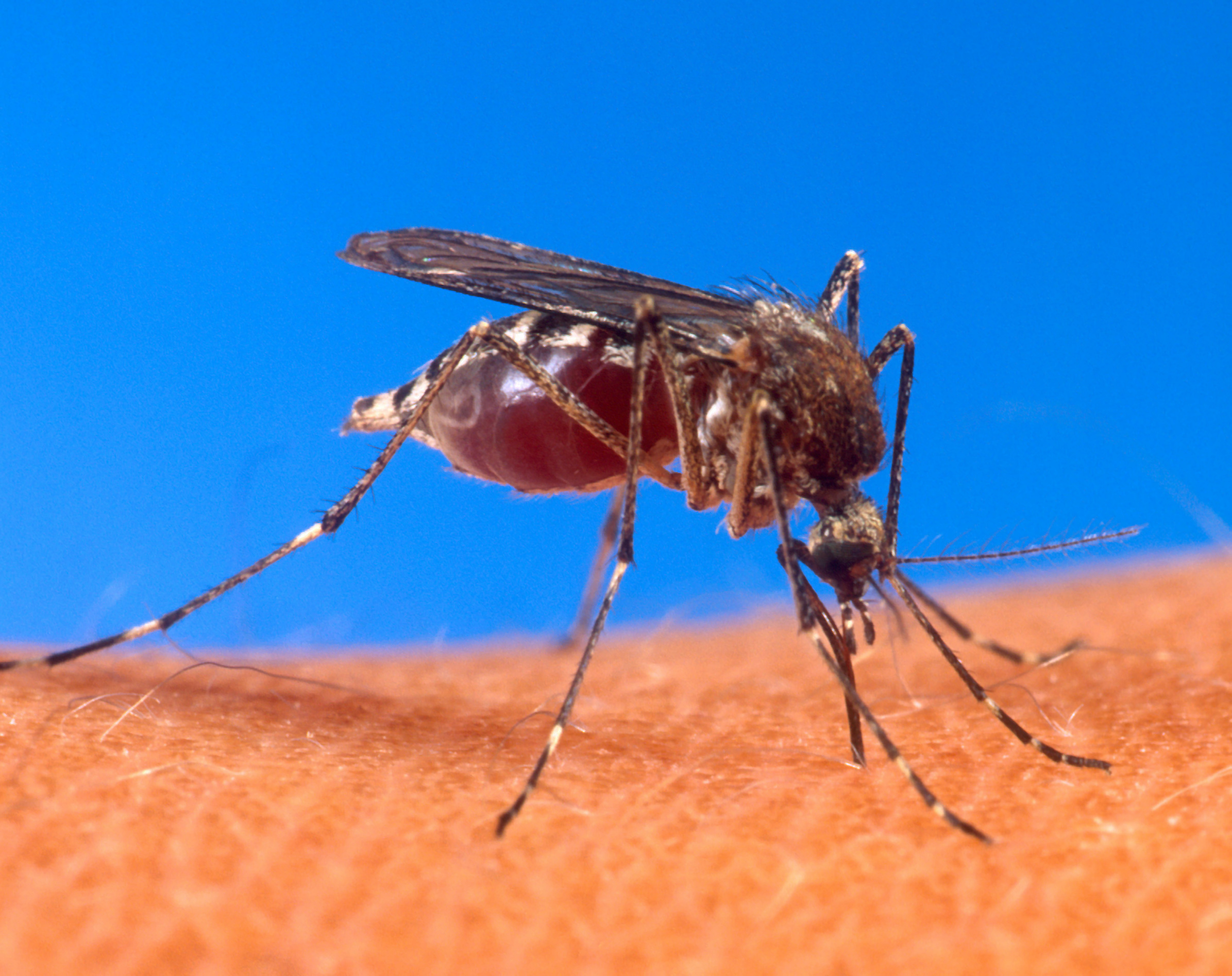
The bite itself barely registers. It's 2 a.m., three hours later, when the itch actually shows up and makes it impossible to fall back asleep. Anyone who spends a summer evening outdoors without repellent already knows the pattern — the bump you brushed off at dusk turns vicious after dark. That's not paranoia or bad memory. There's a real, and slightly unfair, biological reason nighttime bites hurt more.
It Starts With Which Mosquitoes Are Even Out
Only female mosquitoes bite at all — they need a blood meal to develop eggs, according to the Environmental Protection Agency, while males feed on nectar and never bother people. Most species that bother humans are crepuscular, meaning they're built for the low light of dawn and dusk rather than full daylight or true darkness, and heat, humidity and stillness in the evening air make it easier for them to fly without drying out.
A multi-year field study of Aedes albopictus mosquitoes in Guangzhou, published in the journal Parasites & Vectors, measured exactly when biting activity spikes: a bimodal pattern with peaks in the two to three hours around dawn (5 to 8 a.m.) and again around dusk (4 to 7 p.m.), with biting most frequent near 26.5°C. Cooler, calmer, more humid evening air lets mosquitoes fly longer without dehydrating, and it carries the carbon dioxide and body heat they use to find a target further than dry midday air does — which is also roughly when most people are finally sitting still on a porch or patio.
Why Does It Itch Worse Once the Sun's Down?
This is where the body's own clock, not the mosquito's, takes over. Cortisol — the hormone that keeps inflammation in check during the day — runs on a steep daily rhythm, peaking in the early morning and bottoming out at night. Lower cortisol means less natural suppression of histamine, the chemical your immune system releases at a bite site to draw blood flow and immune cells to the area. Less suppression, more histamine activity, worse itch.
That's not just a folk explanation. A study of mast cells — the immune cells that store and release histamine — published in Scientific Reports found that
The researchers traced the pattern to a circadian gene called Clock, which controls a transporter protein that regulates how much histamine mast cells release at different points in the day. Disrupt the body clock — through shift work or erratic light exposure, in the study's mouse model — and the nighttime histamine spike disappears along with it."plasma histamine levels exhibit circadian variations with nocturnal peaks, which is implicated in the nighttime exacerbation of allergic symptoms."
Nakamura et al., Scientific Reports
Is Some of It Just in Your Head?
Some, but not all of it. Sleep researchers note that daytime activity competes for attention in a way lying still in bed doesn't — a bite that was easy to ignore while you were cooking dinner becomes the only sensation left once the lights go off and there's nothing to distract from it. That's a real effect, but it layers on top of the histamine spike rather than replacing it; both are happening at once, which is part of why nighttime itching can feel disproportionate to the size of the bite.
Does Scratching at Night Make It Worse?
Yes, and the timing makes it worse than usual. Scratching ruptures small blood vessels and prompts skin cells to release even more histamine and inflammatory signals, which is why a bite you've been picking at for an hour looks angrier than one left alone. Doing that scratching in the dark, half-asleep, also raises the odds of breaking skin and inviting a secondary infection — a low but real risk that's easy to shrug off at 2 a.m. and harder to ignore by morning.
Late summer is when this collides hardest with real life. Mosquito populations typically peak from July into September across most of the United States, as standing water from summer storms gives larvae time to mature into biting adults — meaning the worst stretch for daytime host-seeking behavior lines up almost exactly with the worst stretch for the nighttime itch that follows it. It is, in a small way, the least convenient overlap in the insect calendar.
What Actually Helps
Antihistamine creams work because they interrupt the same chemical pathway driving the nighttime spike, not because they numb the skin. Cold compresses constrict the blood vessels feeding the reaction and slow histamine delivery to the area. And the most effective fix is the least satisfying one: preventing the bite in the evening hours in the first place, since EPA guidance on mosquito control points to screened windows, standing-water removal and repellent applied before dusk — not after the itching has already started, when the body's own clock has taken over and there's little left to do but wait it out.