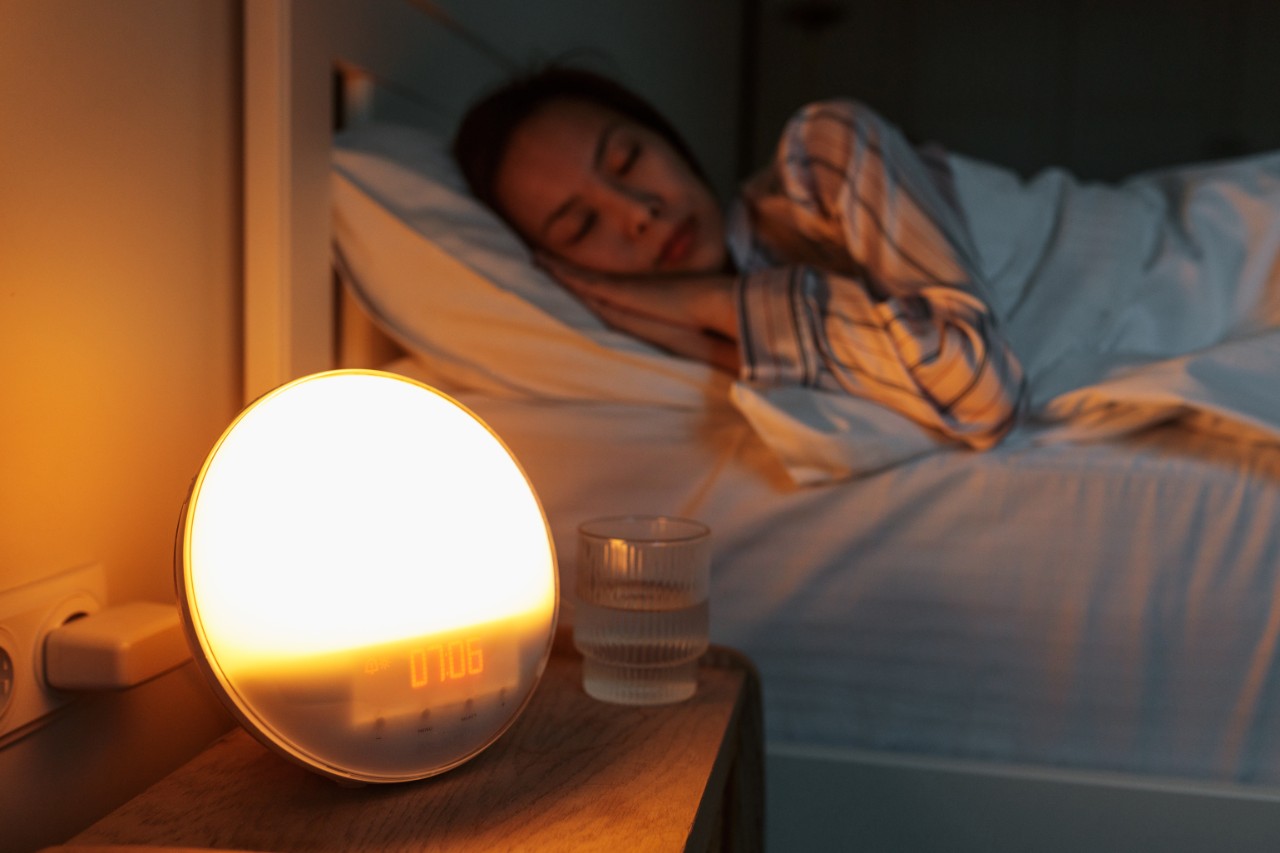
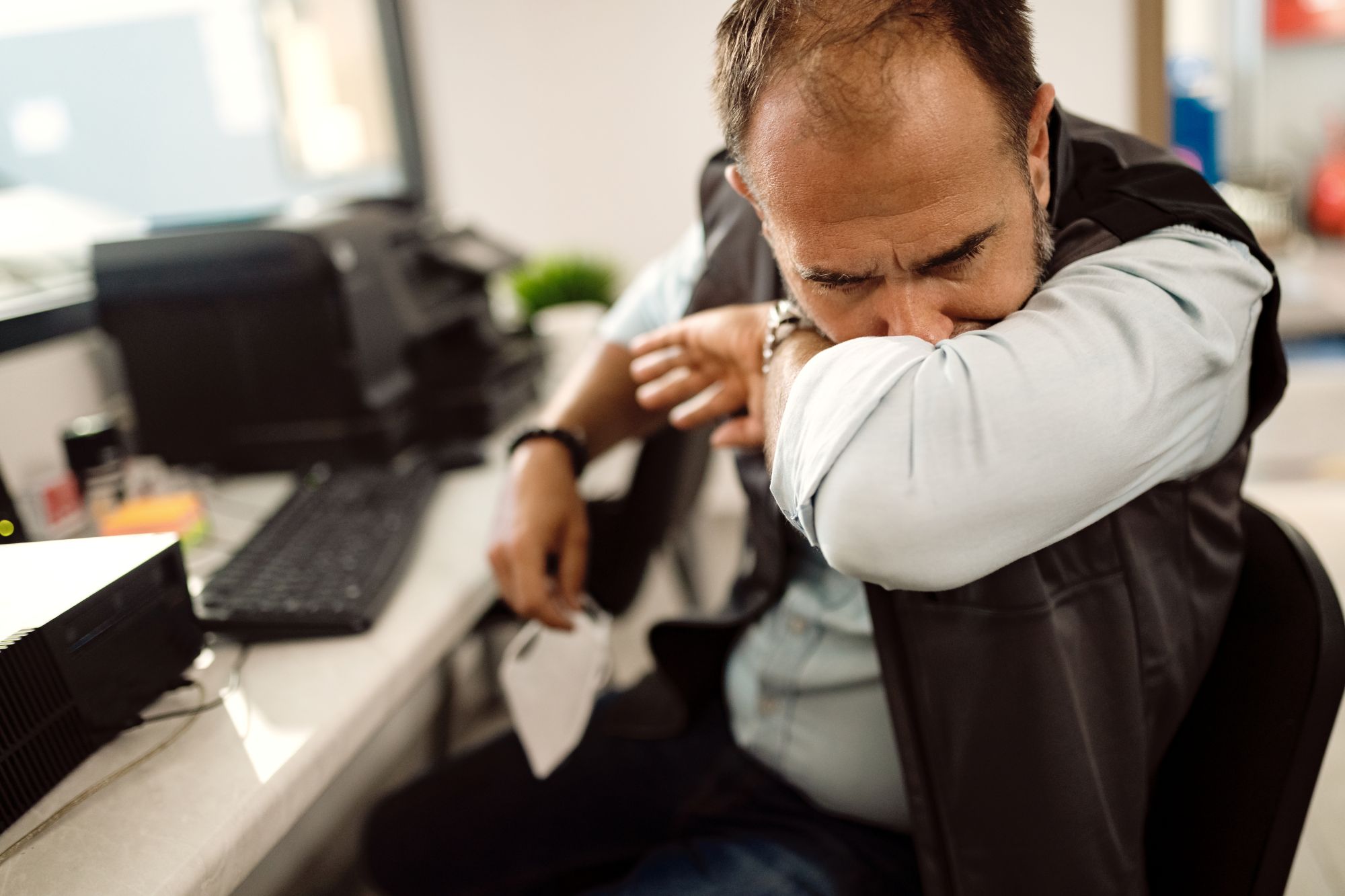
Social Jet Lag, Explained: Why Weekends Wreck Your Sleep
Seventy percent of people are biologically wired for a sleep schedule the workweek doesn't respect. Social jet lag is what happens when body clock and calendar keep disagreeing.
Seventy percent of people are, biologically, doves: neither early birds nor night owls, just built for a middle-of-the-road sleep window. Another 15 percent are true night owls. Only about 15 percent of the population are the early-rising larks that morning-routine culture treats as the default setting for a healthy adult. Modern work and school schedules are built almost entirely around that smallest group, which is a large part of why so many people spend their week quietly jet-lagged without ever boarding a plane.
The condition has a name: social jet lag. It was coined in 2006 by Dr. Till Roenneberg, a professor of chronobiology at Ludwig-Maximilian University in Munich, to describe the gap between what your internal clock wants and what your calendar demands.
What is social jet lag, exactly?
Social jet lag is the mismatch between a person's biological sleep-wake cycle and the sleep-wake cycle their job, school, or social life actually requires, measured in practice as the difference between when someone sleeps on workdays versus free days. Sleep specialist Dr. Jessica Camacho, an assistant professor of internal medicine at the University of Colorado School of Medicine, put the comparison plainly.
"Social jetlag can affect anybody in the general population, but it's especially prevalent among adolescents."
Dr. Jessica Camacho, University of Colorado School of Medicine
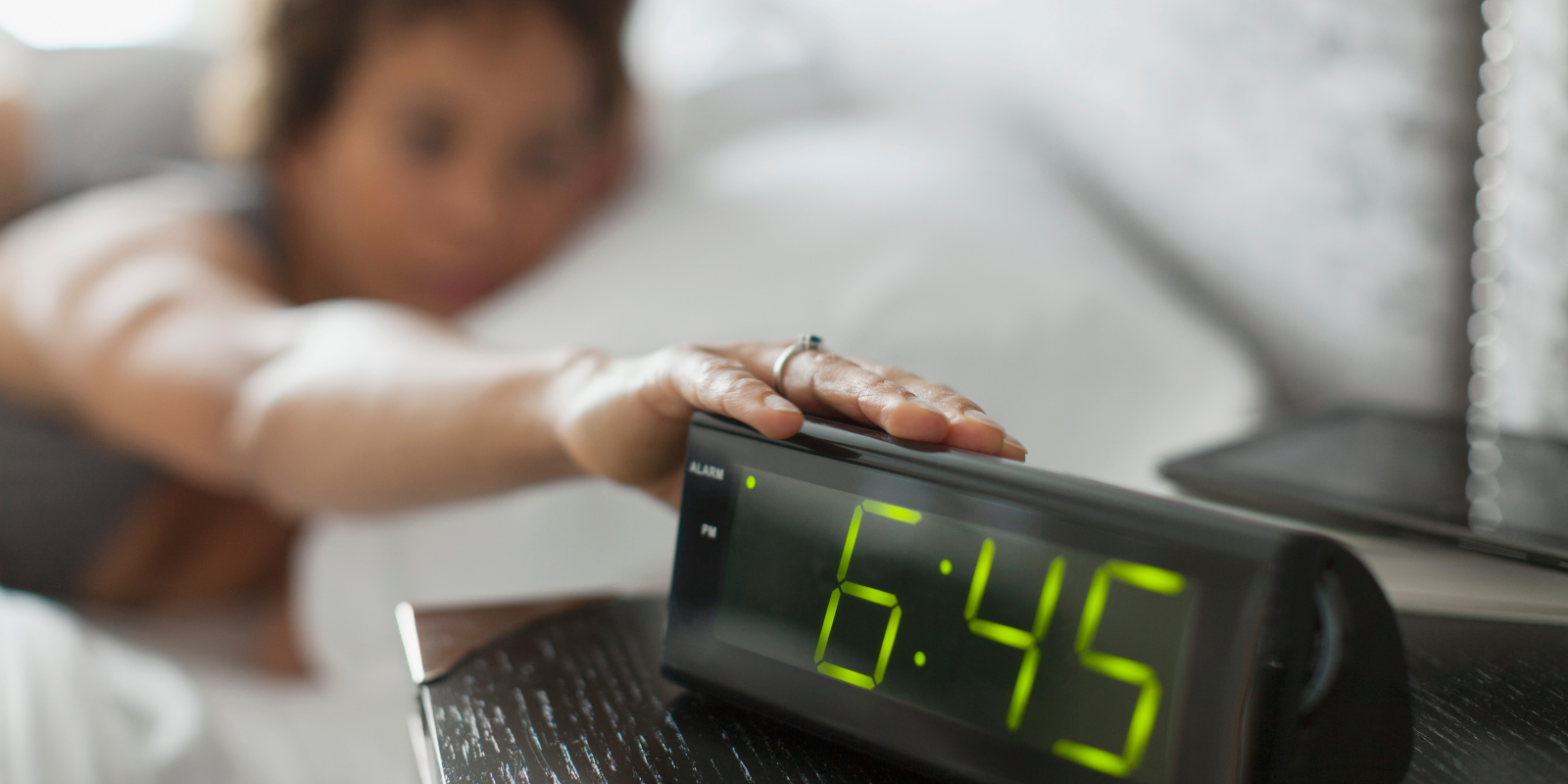
The mechanism is straightforward and familiar to almost everyone: an alarm forces you up for work or school hours before your body would choose to wake on its own, then a late Friday night or a lazy Saturday morning lets your internal clock drift back toward where it actually wants to sit. Monday's alarm arrives in the middle of what your body still considers the night. Camacho compares the resulting grogginess directly to the jet lag of crossing time zones. Physiologically, it's close to the same thing, just self-inflicted on a weekly loop instead of a plane schedule.
Why does this matter beyond feeling tired?
Roenneberg's research group has spent two decades tracking what chronic social jet lag correlates with, and the list is longer than sleepiness.
"For practically every pathology or health deficit that we look at, the more social jetlag you have, the higher your probability of developing it."
Dr. Till Roenneberg, Ludwig-Maximilian University
Camacho points to daytime functioning and academic performance as the most immediate effects, followed by mood disturbance and poor mental health outcomes; some research also ties social jet lag to cardiovascular and metabolic changes. Roenneberg's own work goes further, linking the condition to elevated obesity risk and, for late chronotypes specifically, a higher likelihood of type 2 diabetes when they're locked into standard daytime work hours rather than shift schedules that better match their internal clock.
Why do teenagers get hit the hardest?
Adolescence brings a well-documented shift toward a later chronotype (teenagers' internal clocks genuinely push later, not out of habit but biology), right as school start times stay fixed or get earlier. Camacho sees the collision constantly in her practice.
"There are a lot of demands of teenage and adolescent life, so many of these kids are not getting that recommended amount of sleep — which is why we end up seeing social jet lag pop up in these age ranges. The homework, extracurricular activities, and social demands add up."
Dr. Jessica Camacho
Roenneberg frames the broader mismatch in blunter terms, describing a system built around early risers as a kind of "biological discrimination" against everyone else: late-chronotype students underperforming not from lack of effort but from being tested and taught during their own biological night.
How do you actually reduce it?
Neither expert recommends fighting your chronotype outright. Camacho advises keeping wake times within about an hour of each other across the whole week, including weekends, and shifting social plans earlier in the day rather than staying out late, on the logic that the payoff in daytime energy outweighs the fear of missing out. Roenneberg's central lever is light exposure: get real daylight during the day, and cut artificial light (especially screens) after sunset, since it's blue light more than habit that keeps pushing owls' internal clocks later still.
Neither claims a full fix is realistic for most people locked into a nine-to-five. The more honest framing, from both corners of the research, is damage control: the less time you spend flying an imaginary red-eye between your body clock and your calendar, the less of a bill comes due.
For people reaching for a supplement instead, the evidence is mixed at best: see how L-theanine stacks up against magnesium and why an antihistamine can backfire into wakefulness rather than sleep. None of it substitutes for a consistent schedule and real daylight, which is the part neither Camacho nor Roenneberg will compromise on.