Spain's Octopus Farm Died Before It Ever Opened
A €50 million octopus farm in the Canary Islands never opened. The reasons, and the growing list of bans that followed it, show how fast the science on octopus sentience has moved.
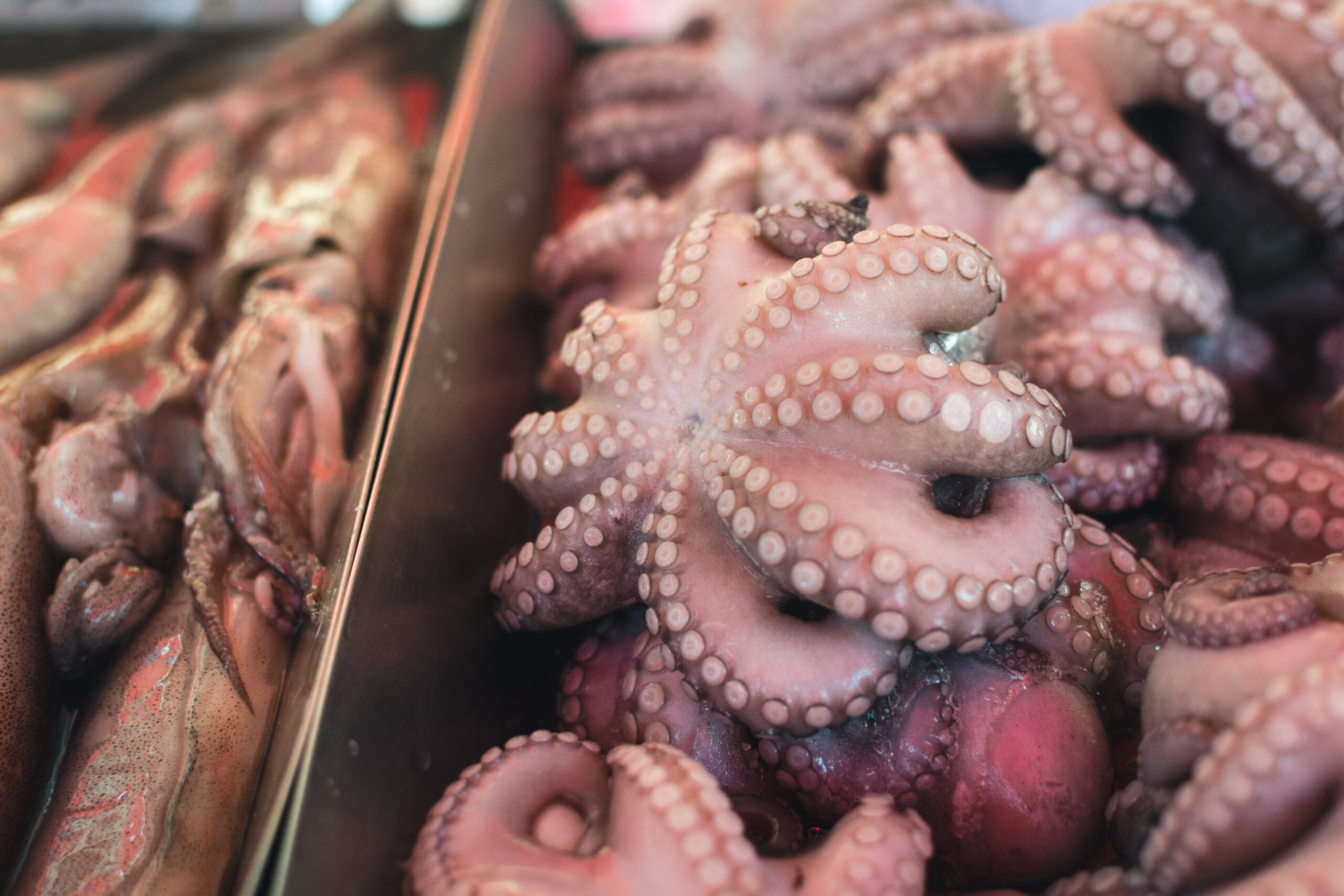
Eight years of research, €50 million in planning and a permit fight that outlasted a pandemic ended in a single letter. On July 23, Nueva Pescanova told the Port Authority of Las Palmas it was withdrawing its application to build what would have been the world's first commercial octopus farm — a facility on Gran Canaria's La Esfinge dock designed to raise roughly a million common octopuses a year, more than a tenth of Spain's entire annual octopus catch.
The company insists the decision reflects "business and regulatory considerations only", not a concession that farming octopuses at scale is unworkable or wrong. But the timing tells its own story: a required environmental review had found the 50,000-square-metre plant risked fouling the air around a nearby passenger terminal and degrading water quality with organic waste, forcing a full environmental assessment that Nueva Pescanova never completed after first filing in 2021.
What killed the Gran Canaria project was largely bureaucratic. What has killed the broader idea of octopus farming everywhere it's been proposed is something closer to consensus. Washington state banned octopus aquaculture in March 2024 — the first such ban anywhere in the world — and California followed that September, becoming the first jurisdiction to also outlaw selling farmed octopus at all. Bills are pending in New York, Hawaii, New Jersey, North Carolina, Oregon, Massachusetts and Connecticut. Mexico and Chile have both moved on national bans.
At the federal level, Sens. Sheldon Whitehouse, D-R.I., and Lisa Murkowski, R-Alaska, reintroduced the OCTOPUS Act in the Senate, which would ban commercial octopus farming nationwide before any operator gets the chance to build one, and require NOAA to start tracking octopus harvest methods in U.S. trade programs. No farm currently exists in the U.S. to ban — this is preemption, aimed at closing the door before an industry can lobby to keep it open.
The scientific case behind all of it rests on what researchers already know octopuses can do: navigate mazes, open jars, use coconut shells and rocks as tools, recognize individual human faces, and — by most accounts — solve novel problems with something that looks a great deal like curiosity. The U.K.'s 2022 Animal Welfare (Sentience) Act extended legal recognition of sentience to cephalopods after a government-commissioned review of more than 300 studies concluded octopuses are capable of experiencing pain, distress and pleasure. Confining a solitary, exploratory predator that can escape a sealed tank into a crowded pen isn't a design flaw to be engineered around; welfare groups argue it is the design.
"Octopuses are intelligent, wild animals, not products to be caged in factory farms," said Elena Lara, senior research and policy advisor at Compassion in World Farming, after the withdrawal. "The decision to abandon this project sends a powerful message that the future of food must not be built on animal suffering or unsustainable practices." More than 42,000 emails had landed in the inbox of the Las Palmas Port Authority president in the weeks before the announcement, part of a five-year campaign that also drew formal objections from more than 100 marine scientists.
Nueva Pescanova has not ruled out trying again elsewhere, and it says nothing in Spanish or EU law actually prohibits octopus farming — only this specific site, on these specific environmental grounds, has been stopped. That gap is exactly what advocacy groups now say they'll spend the next campaign trying to close, this time before another company spends eight years and tens of millions of euros finding out the same way Nueva Pescanova did.