food science
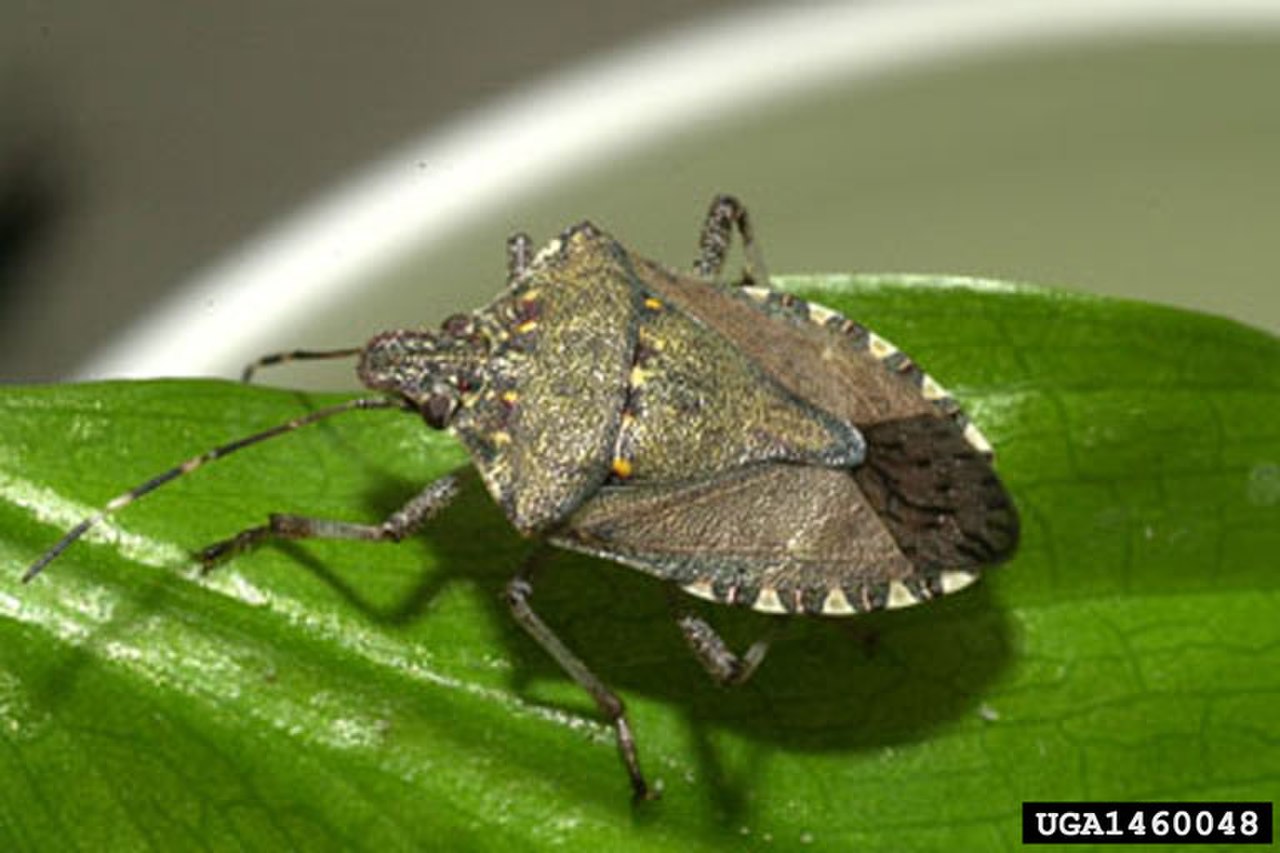
Why Stink Bugs Smell Like Cilantro: The Shared Molecule Explained
The comparison is not in your head. Stink bugs and cilantro share an odor molecule, and the same chemistry helps explain why some people think the herb tastes like soap.
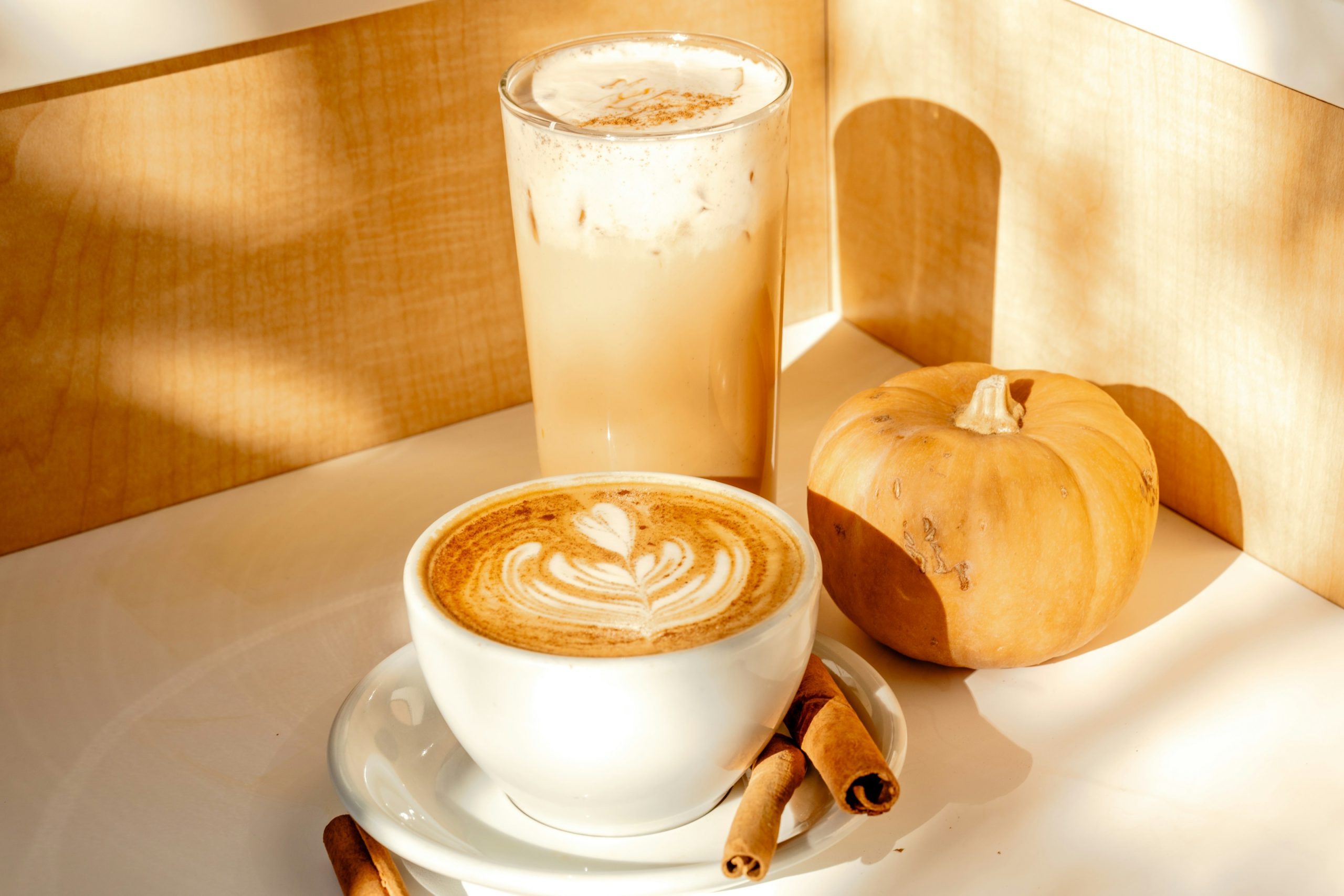
Why Pumpkin Spice Season Starts in August, Not Fall
Yelp searches for pumpkin spice lattes are up 301% this year, and Starbucks moved its launch to Aug. 25. Here's why the industry keeps starting fall earlier.

Why Club Soda Goes Flat Faster Than Sparkling Water
Club soda and sparkling water start with identical carbonation, but one goes flat first because of what else is dissolved in it.
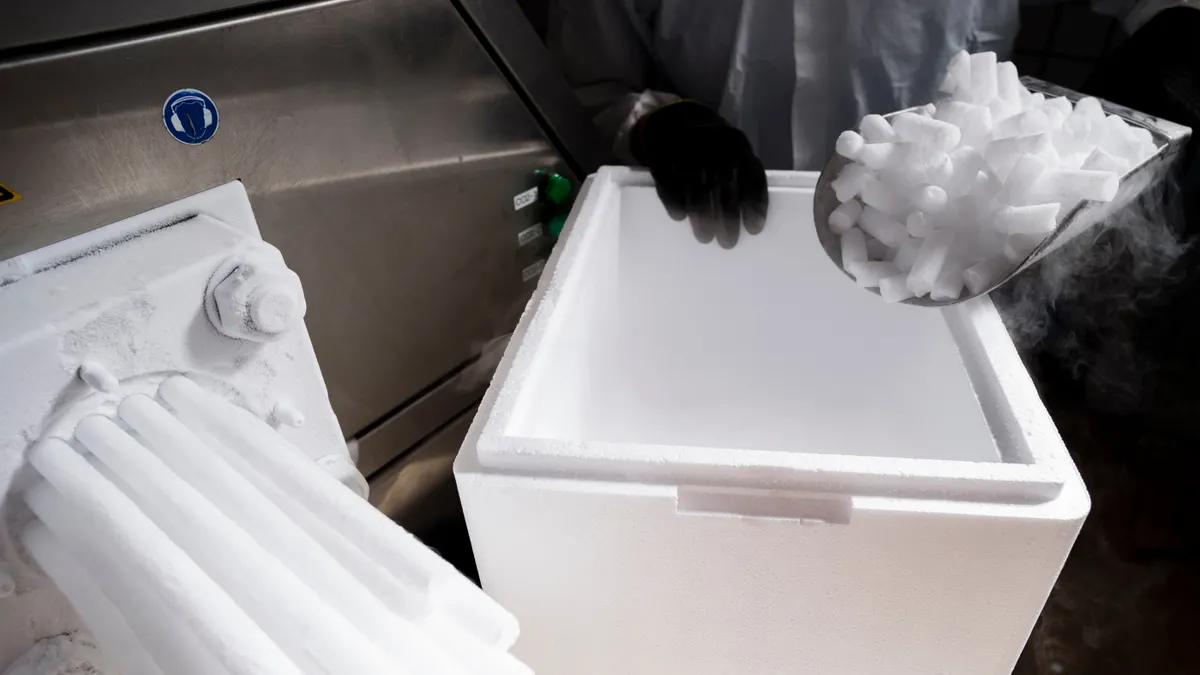
Why Dry Ice Never Melts, and Why It's Getting Scarcer
Dry ice skips the liquid phase entirely because of basic physics — and a widening CO2 supply gap is turning that same physics into a shipping headache.

Why Some Popcorn Kernels Never Pop, Explained
Unpopped "old maids" aren't random. A Purdue food chemist found the difference between a good popper and a dud comes down to moisture and a kernel's cellulose hull.

Why Good Olive Oil Never Comes in a Clear Bottle
Clear glass looks appealing on a shelf, but for olive oil it's a slow-motion quality problem. Here's the food chemistry behind the dark bottle, and where even dark glass falls short.
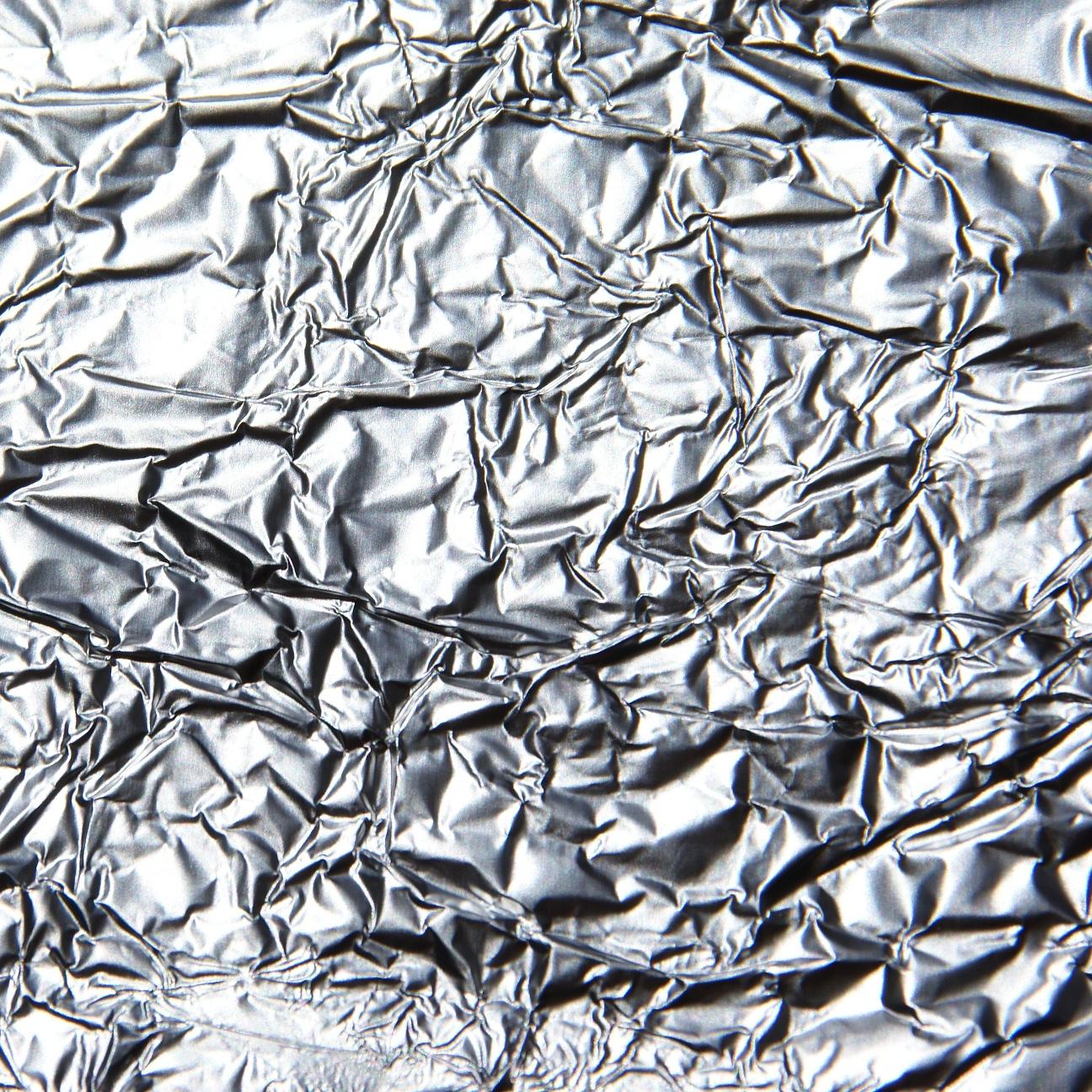
Why Aluminum Foil Has a Shiny Side and a Dull Side
The shiny and dull sides of aluminum foil come from a manufacturing quirk, not a cooking rule — and lab tests show almost no difference between them.