What the FAA's New 737 MAX Crack Order Actually Requires
An FAA order to inspect 471 Boeing 737 MAX jets sounds alarming. The mechanism behind it, and why no cracks have actually turned up on the model, explains why airlines aren't changing their schedules.
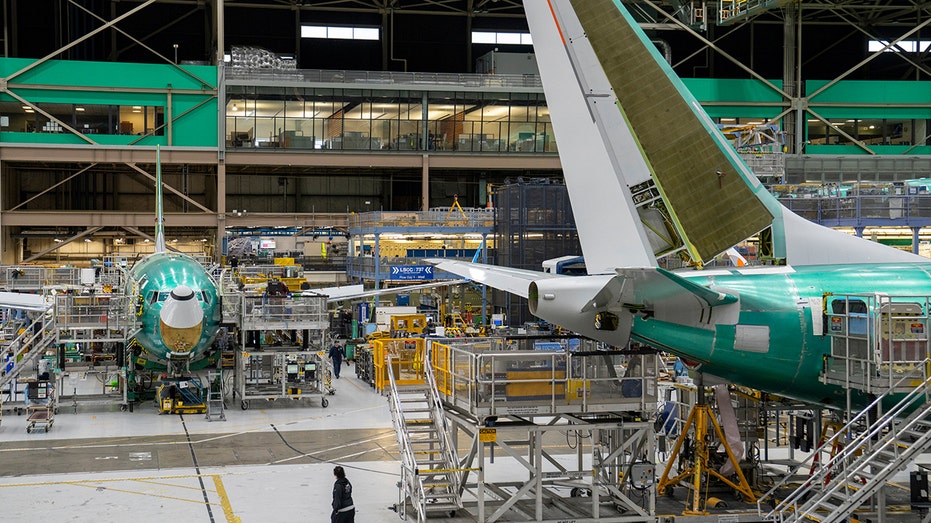
Somewhere on the right side of a Boeing 737 MAX's nose, just above the forward galley door, sits a piece of structural metal called a bear strap. Most passengers will never know it exists. This week, it became the reason the FAA ordered inspections of 471 U.S.-registered jets.
The order, issued Thursday, covers certain 737 MAX 8, MAX 9 and 737-8200 airplanes and affects 1,429 aircraft worldwide, according to the airworthiness directive published in the Federal Register. It reads like an alarming headline — hundreds of jets, structural cracking, a regulator stepping in — and airlines have been fielding exactly that reaction from nervous flyers. What the order actually requires is narrower, and understanding the mechanism explains why airlines aren't scrambling to pull planes from schedules.
What exactly is an airworthiness directive?
An airworthiness directive, or AD, is how the FAA makes a fix legally mandatory rather than merely recommended. When engineers identify a condition that could compromise an aircraft's structure or systems, the agency can require operators to inspect, repair or modify affected planes on a set schedule. Some ADs are emergency orders that ground aircraft immediately; most, including this one, set an inspection window tied to how much a specific airplane has flown, giving carriers time to work the checks into planned maintenance.
This AD falls firmly into the second category. This AD was prompted by reports of cracks in the bear strap at the forward upper corner of the forward galley door cutout,
the directive states, warning that undetected damage may lead to the inability of the principal structural element to sustain limit loads and adversely affect the structural integrity of the airplane.
That is regulatory language for a real risk, but it is also language written for a defect that hasn't actually shown up yet on the affected model — which is the detail most headlines skipped.
Does this order ground any 737 MAX flights?
No. So far, no cracks have been found in Boeing Max jets specifically,
CBS News reported, citing the FAA. The order exists because the MAX shares a design and manufacturing process with the older 737 Next Generation, where cracking in the same bear strap turned up years ago. Boeing notified Next Generation operators of the issue back in 2019, and the FAA mandated inspections on that fleet in 2021. Boeing has been sharing its own analysis with MAX operators since 2024 as a precaution, and the company says it is already changing its manufacturing process to address the underlying cause.
Airline responses so far reflect that lower-urgency read. Southwest Airlines, one of the biggest 737 operators in the country, said in a statement it was reviewing
the directive and would complete inspections according to the schedule specified by the FAA.
United Airlines went further, telling Fox Business it doesn't anticipate any impact to our operations in the near term,
since its MAX jets haven't logged enough flight cycles yet to trigger the inspection window. Neither airline described any change to its flight schedule.
Why inspect planes with a clean record?
Because that's the entire point of a preventive AD: catching a known failure mode before it appears, not reacting after it does. The bear strap reinforces the fuselage skin around the door cutout, an area that absorbs repeated stress every time a plane pressurizes on climb and depressurizes on descent. Over thousands of cycles, that stress can produce hairline cracks near the corners of the opening. Boeing's engineering analysis on the Next Generation fleet showed the pattern; because the MAX uses the same basic structure, the FAA is requiring the same check before, not after, a MAX jet shows the same wear.
Boeing framed it as a maturing safety program rather than a new discovery. Boeing identified and reported this issue and has been working with operators on it over the past six years,
the company said, adding that inspections provide multiple opportunities to detect and correct possible cracks before they exceed a critical length.
That is a genuinely different posture from the disclosures that followed the MAX's 2019 grounding, when Boeing was reacting to two fatal crashes rather than getting ahead of a structural fatigue pattern with six years of runway.
The practical upshot for travelers: an aircraft flying under an open AD is not an aircraft flying unsafely — it's one operating under a documented, FAA-tracked schedule to check a specific spot before wear becomes a problem. Compliance is what keeps a plane airworthy; it's the absence of it, past the deadline, that would actually ground one. For the 471 MAX jets on this list, that deadline is September 10, and airlines have every incentive to hit it well before then — heavy maintenance visits, where these inspections fit naturally, are already scheduled months out.