Daniel Okafor — older stories
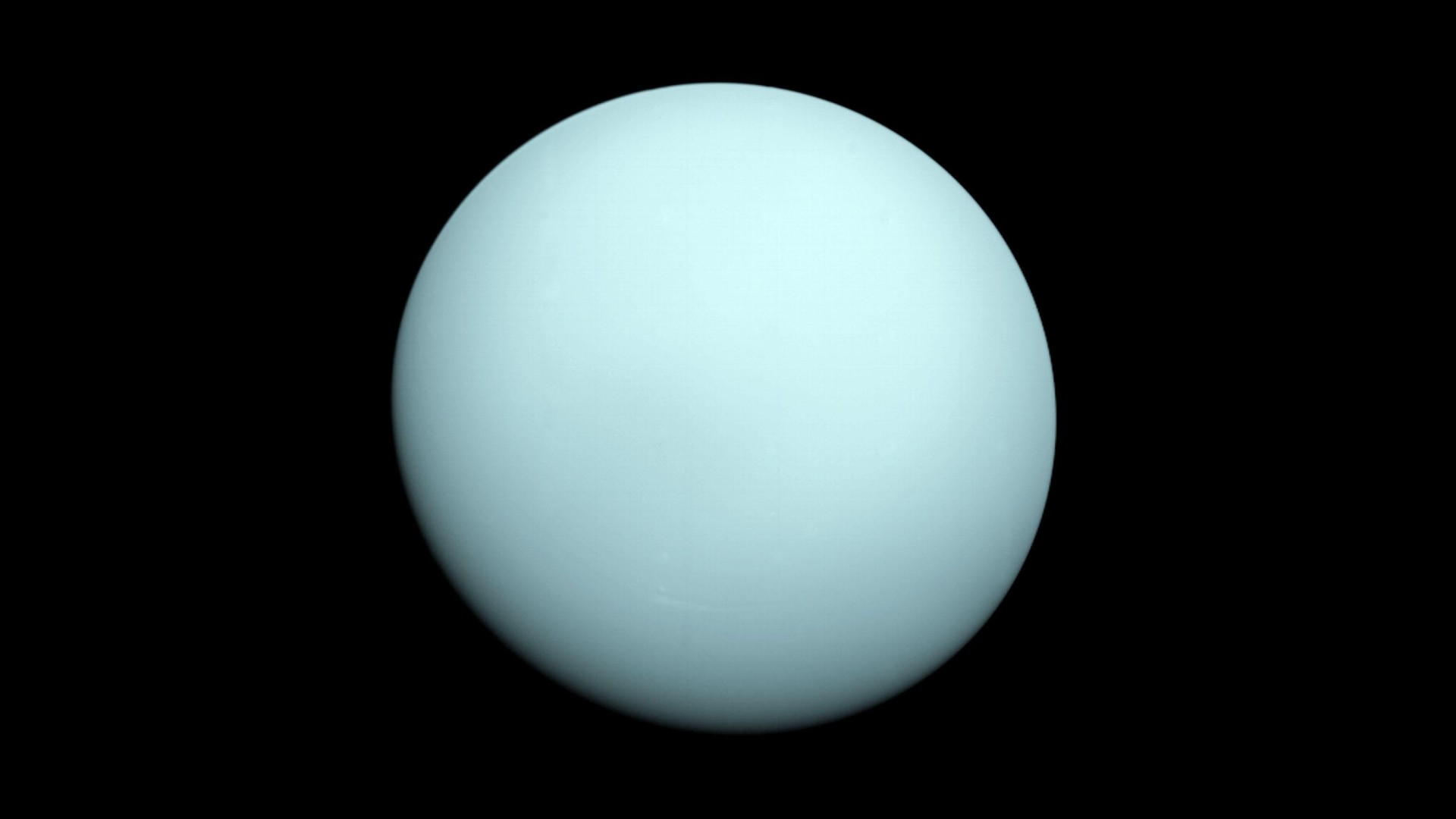
Why Uranus Tilts on Its Side, and a New Theory Why
Uranus is the only planet that spins on its side. The classic explanation is a violent collision, but a newer theory blames a moon that slowly tilted the planet, then destroyed itself.

The Vehicle 'Kill Switch' Mandate, Explained
Not exactly a kill switch, but not exactly nothing — the 2021 law behind the scare requires new cars to detect impaired driving. It just doesn't exist yet.
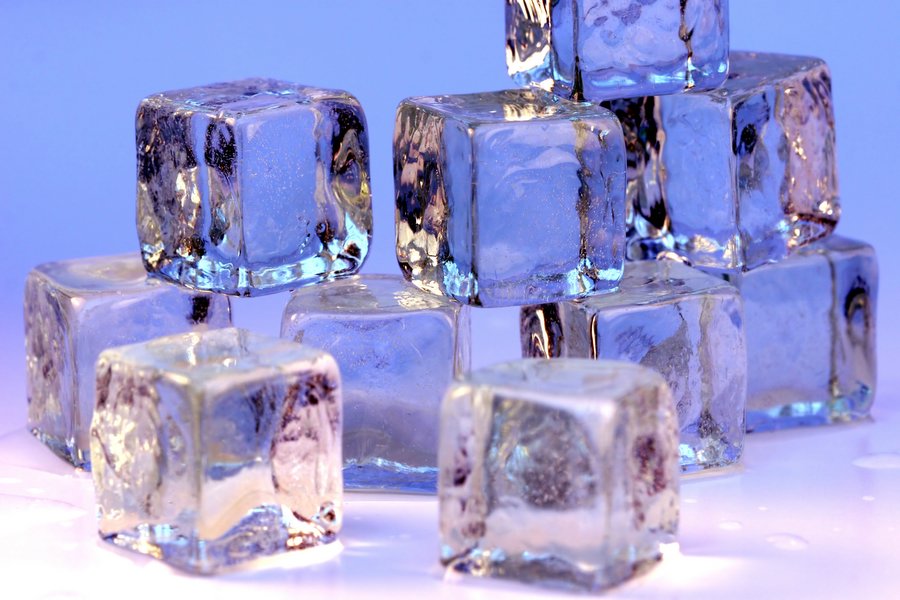
The Mpemba Effect: Why Hot Water Sometimes Beats Cold to Freeze
For 60 years physicists couldn't agree whether hot water really freezes faster than cold. A 2025 study finally explains why the effect is real, and why it's mostly chance.
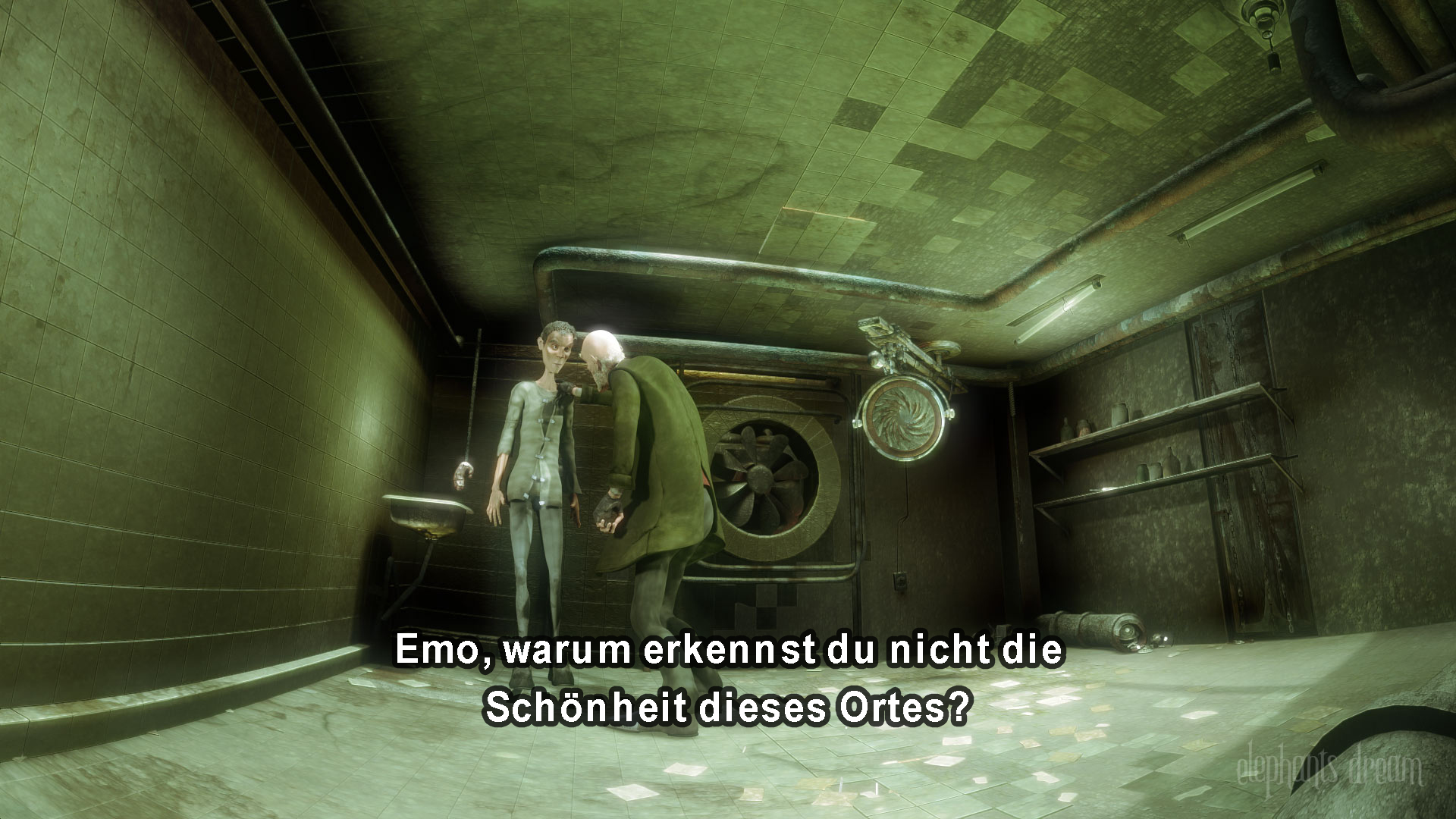
The Real Reason Netflix and Hulu Subtitles Drift Out of Sync
Professional subtitle files are timed down to the frame. The gap between that precision and what actually plays on your TV comes down to three technical culprits -- and one of them gets worse the longer you watch.

Why QR Codes Have 3 Squares in the Corners, Not 4
Every QR code is missing a fourth corner square on purpose — the asymmetry is what lets your phone read the code instantly from any angle.
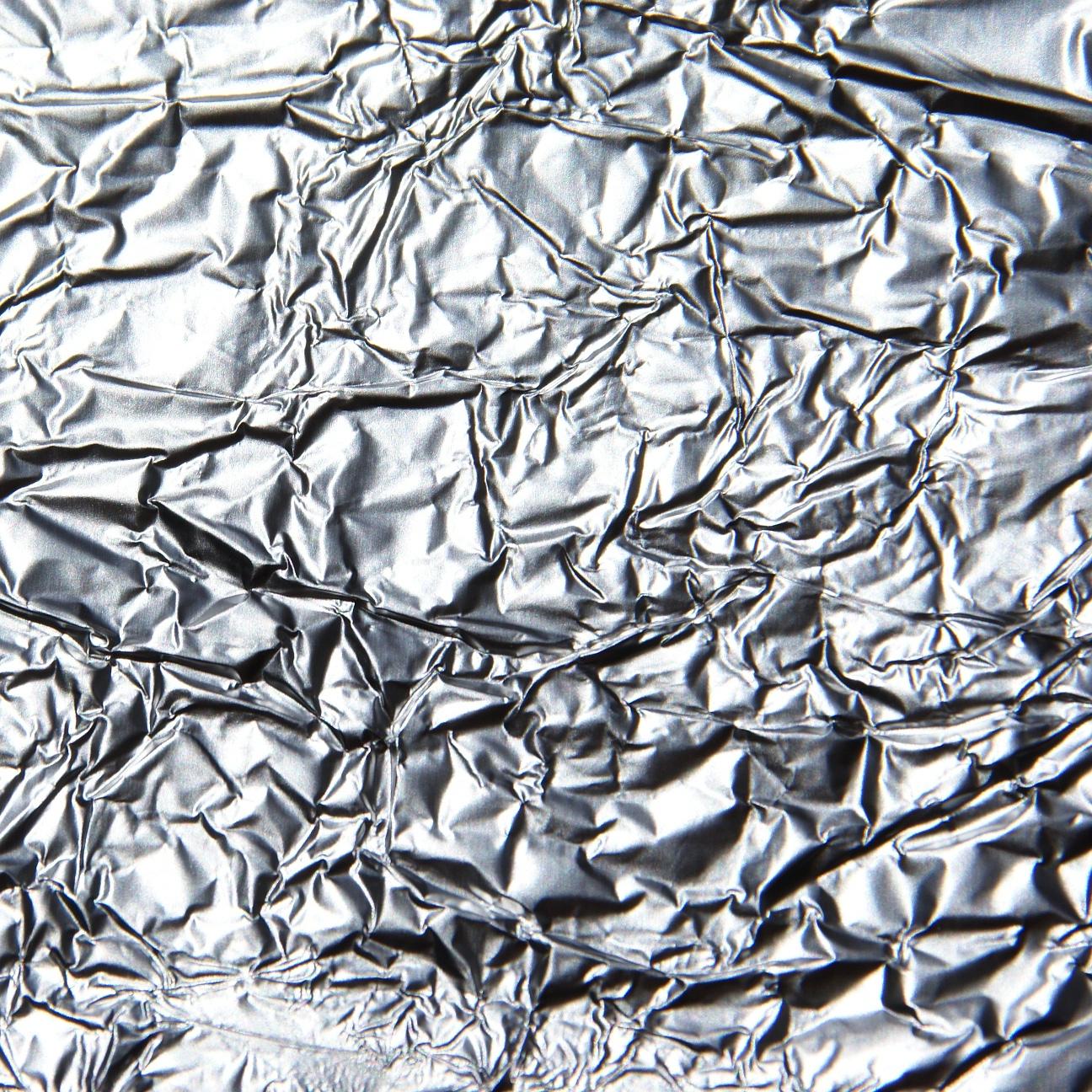
Why Aluminum Foil Has a Shiny Side and a Dull Side
The shiny and dull sides of aluminum foil come from a manufacturing quirk, not a cooking rule — and lab tests show almost no difference between them.

Why Night Mode Turns Your Screen Orange, Not Just Dark
Night mode dims blue light and turns your screen orange to protect sleep, but a 2019 study found the color shift alone barely helped — brightness was the real variable.

The Hidden Tech Behind Every Public Wi-Fi Login Screen
A look at the DNS hijacking and HTTP redirects that put a login screen between your device and the internet at every coffee shop and airport.
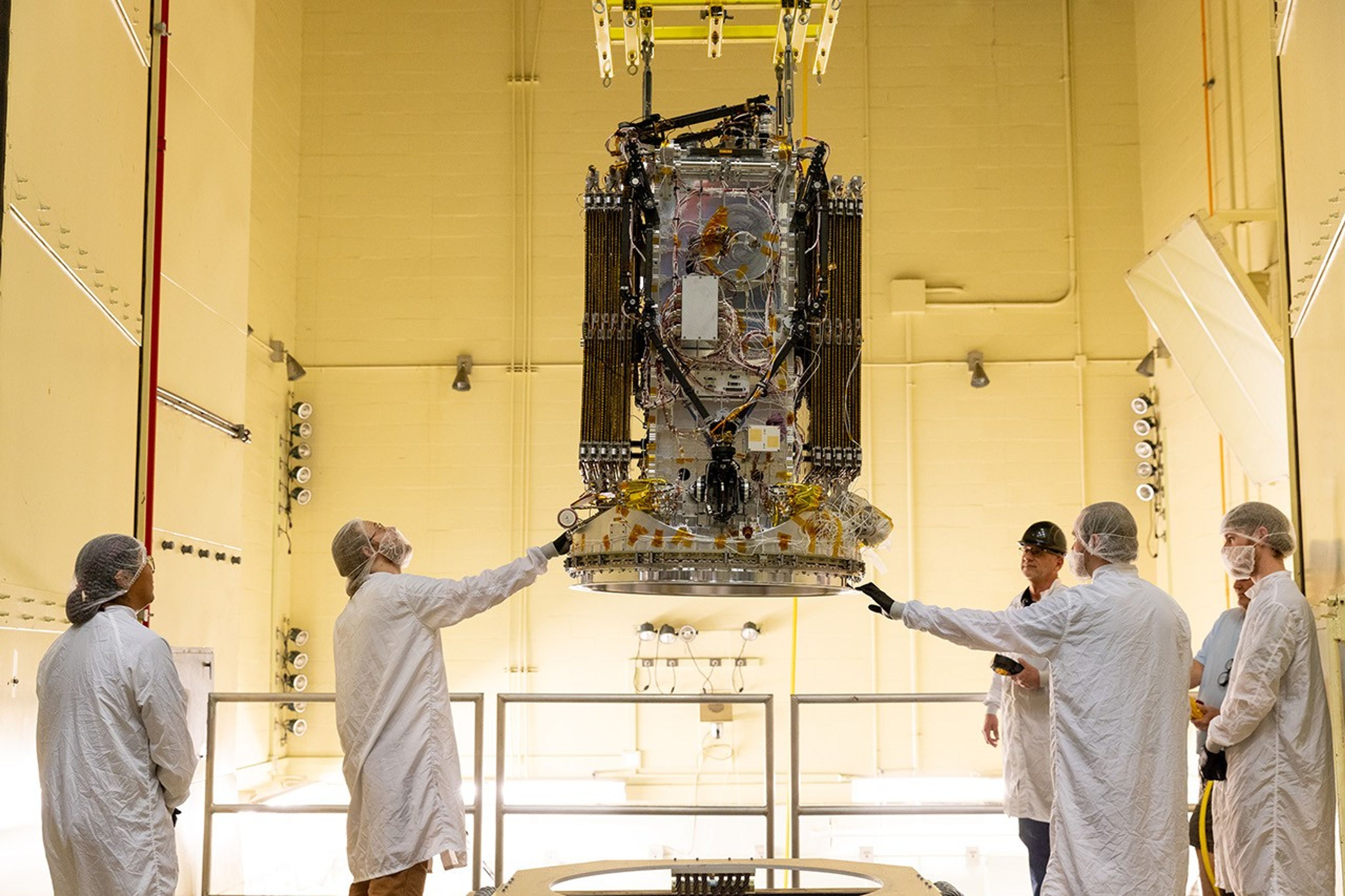
Why Satellites Fall From Orbit — and NASA's Race to Save One
A commercial spacecraft is trying to catch a falling NASA telescope before it burns up -- a real-time lesson in why nothing stays in orbit forever.

What Is Bufferbloat, and Why Fast Internet Still Feels Slow
A fast connection that feels slow under load usually isn't your internet plan. It's bufferbloat, a latency problem hiding in oversized router queues, and it's fixable.

Why Bluetooth Audio Lags Behind the Video You're Watching
An explosion on screen, then the bang a beat later. The gap between the two is Bluetooth doing exactly what it was built to do, just not fast enough.

Why Thunder Sometimes Cracks and Other Times Just Rumbles
A lightning bolt makes one discharge. What you hear afterward depends entirely on how far away you're standing when the sound arrives.
Why Isn't Every USB-C Charger the Same Wattage?
Two USB-C chargers can look the same, cost the same, and still charge at wildly different speeds. The difference lives in the USB Power Delivery negotiation, not the plug.

Why Does Your Voice Sound Different in Recordings?
The voice you hear in your head and the one everyone else hears aren't the same signal, and the difference comes down to a wiring quirk in your skull.

Why Planes Always Take Off and Land Facing the Wind
Planes chase headwinds on purpose: a 20-knot wind at the nose can cut takeoff and landing ground speeds by 20 knots or more, which is why runways face different directions depending on the day.

Why Lithium Batteries Swell Long Before They Actually Die
A bulging phone case or a laptop trackpad that won't sit flat is usually the first visible sign of a chemical reaction inside a lithium-ion cell that started days or weeks earlier.
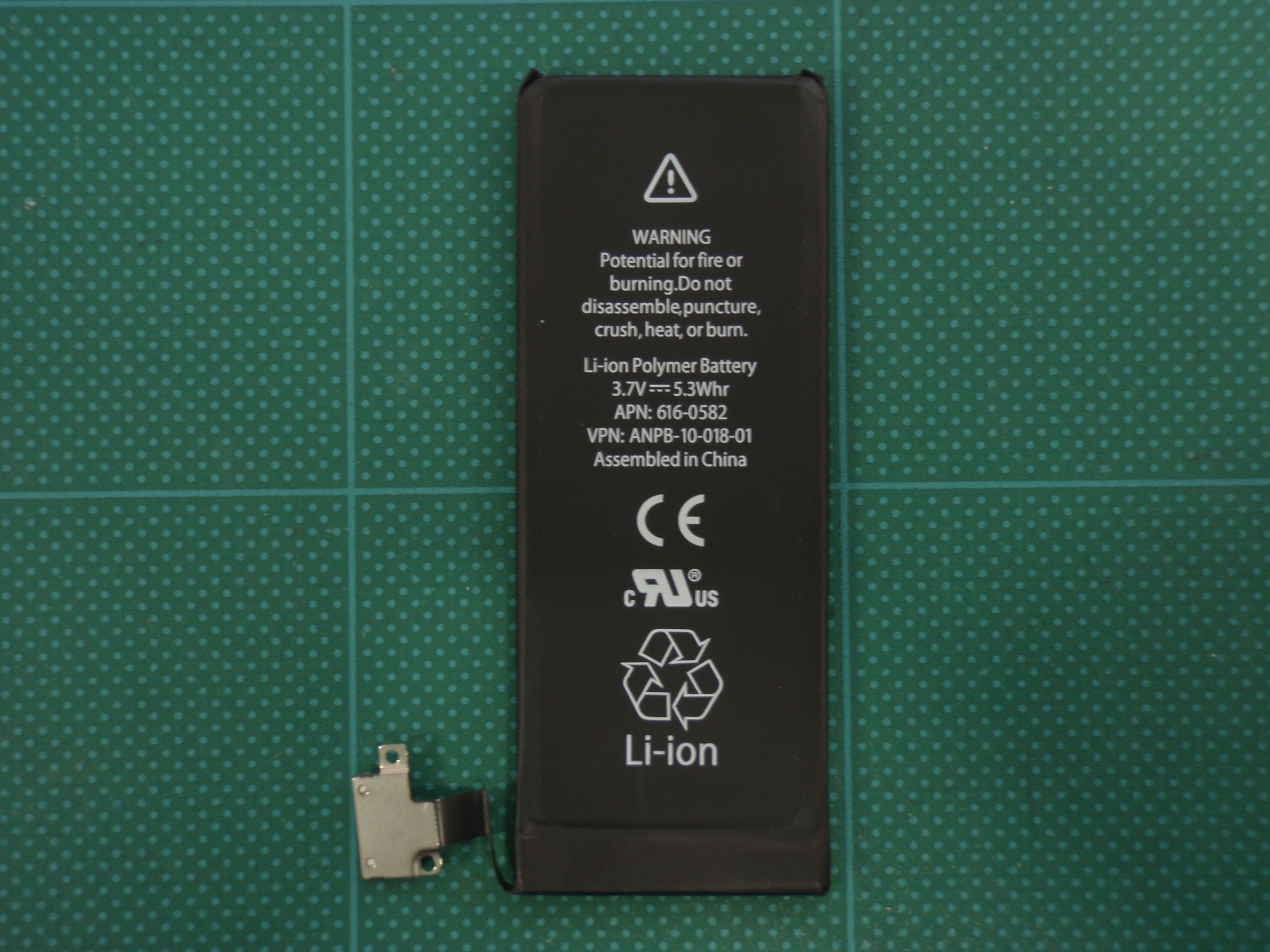
Why Your iPhone's Battery Health Number Drops Even With Careful Use
Battery Health isn't a bug or bad luck, it's chemistry. Here's what actually degrades a lithium-ion cell, and which habits genuinely speed it up.

The Physics Behind Why Your Car Door Shocks You
Static shocks from car doors spike in dry, cold weather for a specific physics reason involving friction, fabric and where the charge finally finds ground.

Solar flare, CME or geomagnetic storm: which one hits Earth
Three space-weather words get used interchangeably and describe three different things. The sequence, not the synonym, explains what actually reaches the ground.

What Is the Kp Index? How to Read an Aurora Forecast
Kp is a three-hour magnetism index that aurora chasers borrowed. It tells you whether tonight is worth staying up for, and almost nothing about whether you will actually see the northern lights.