Science — older stories

The CRASH Clock, Explained: How Close Satellites Really Are to Disaster
A new metric called the CRASH Clock measures how many days it would take for a first satellite collision in low Earth orbit if all maneuvering stopped, and its authors just revised the number sharply downward.

Why Bar Soap Doesn't Have an Expiration Date
A bar of soap left untouched for years still lathers fine. That's partly chemistry — and partly a quirk of FDA regulation that exempts true soap from the rules covering cosmetics and drugs.

The Coriolis Toilet Myth: What Really Makes the Water Spin
Toilets don't flush counterclockwise in one hemisphere and clockwise in the other. What actually decides the swirl is jet angle and bowl geometry, not planetary rotation.

Why Thunder Cracks Up Close but Rumbles From Far Away
A single lightning bolt can sound like a sharp crack in one spot and a rolling rumble a few miles away, and the split comes down to how far its miles-long channel is from your ear.
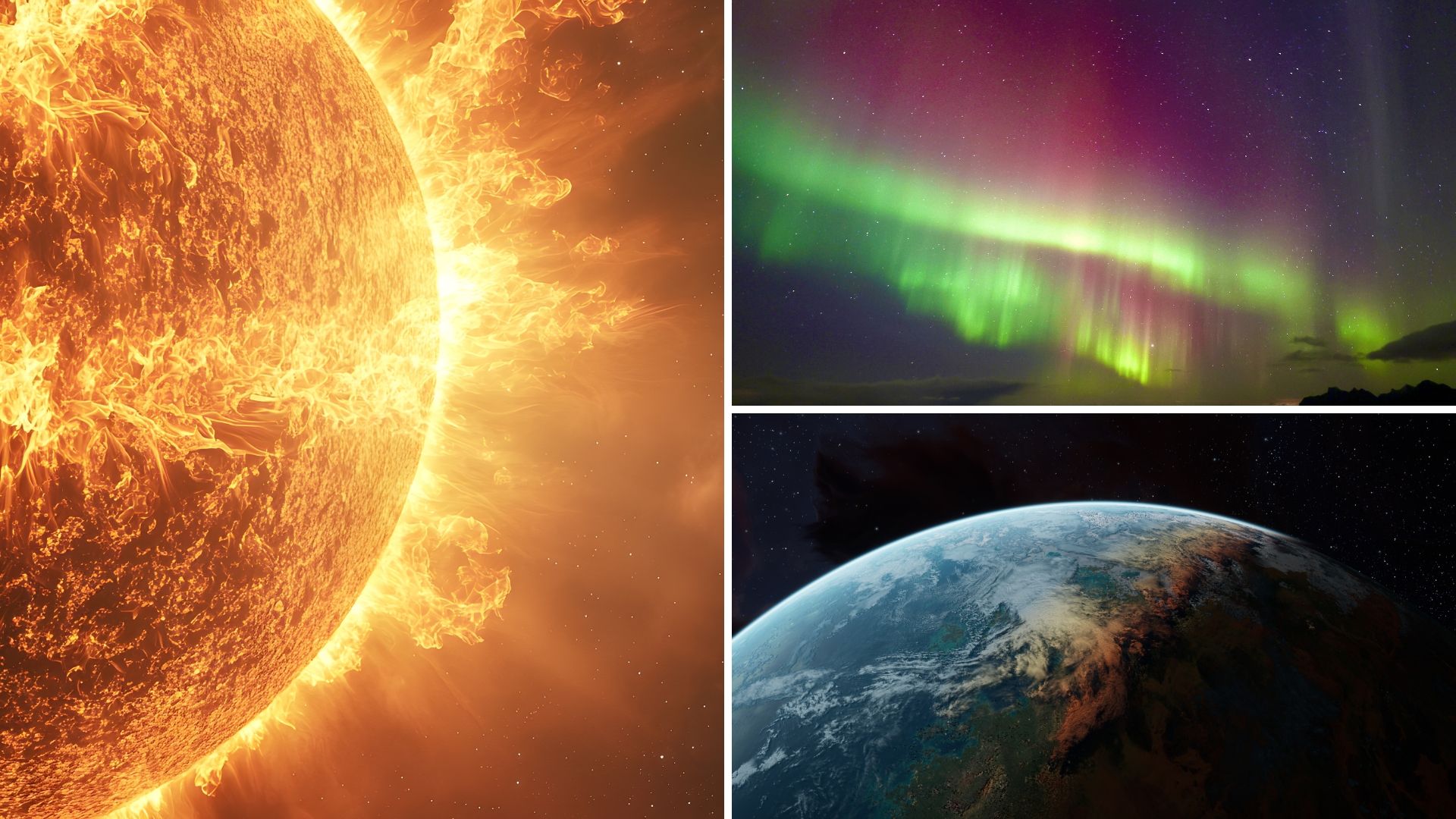
Solar Cycle 25 Is Fading. The Auroras Might Not Be Yet
Solar Cycle 25 hit its peak in October 2024, but the history of two previous cycles suggests the biggest flares — and the biggest light shows — can still be ahead in 2026.

Magnetic North vs. True North: Why Your Compass Lies
Your compass isn't pointing at the North Pole. It's pointing at a wandering magnetic point currently 1,200 miles away and drifting toward Siberia.
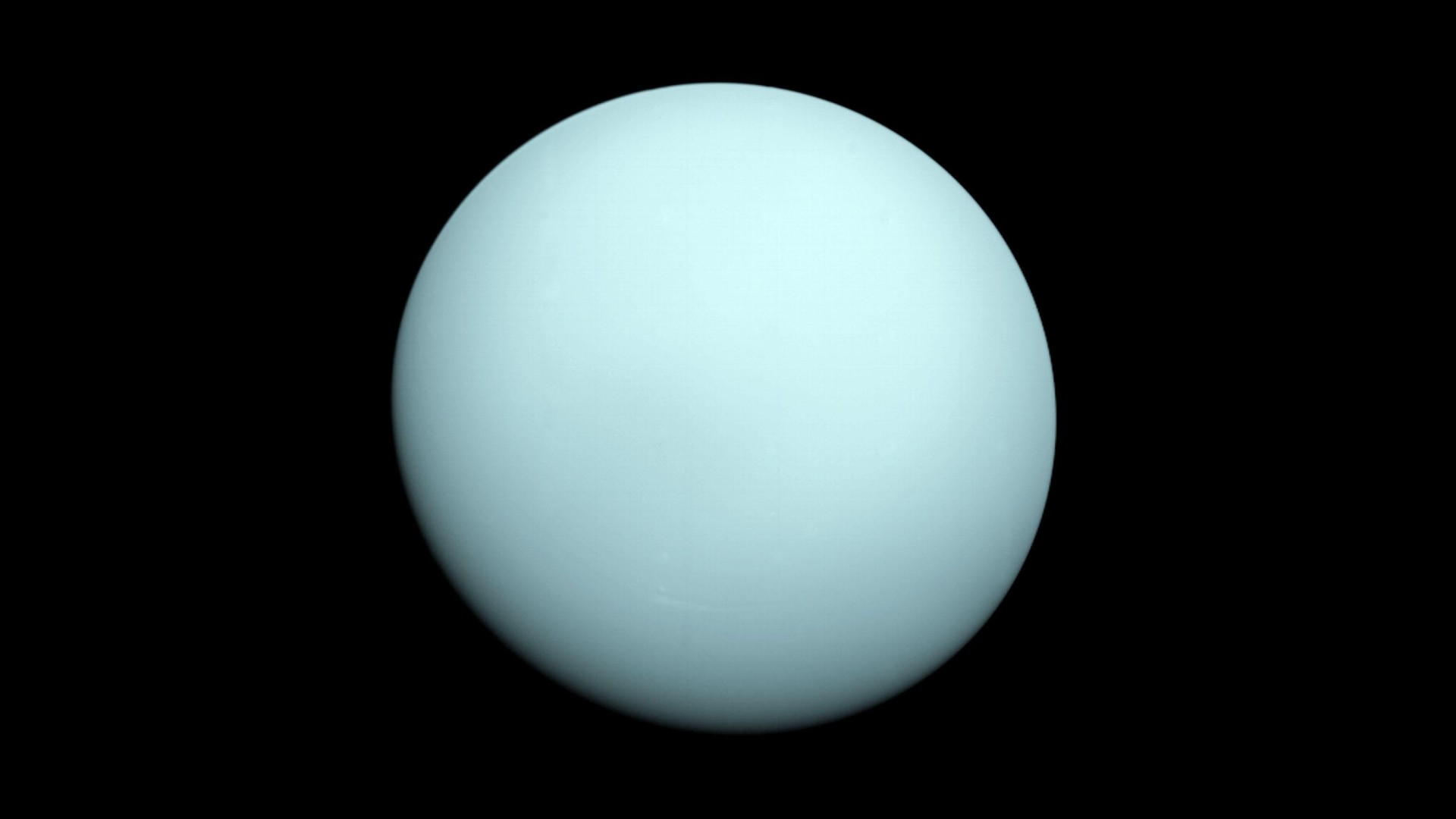
Why Uranus Tilts on Its Side, and a New Theory Why
Uranus is the only planet that spins on its side. The classic explanation is a violent collision, but a newer theory blames a moon that slowly tilted the planet, then destroyed itself.
The Mpemba Effect: Why Hot Water Sometimes Beats Cold to Freeze
For 60 years physicists couldn't agree whether hot water really freezes faster than cold. A 2025 study finally explains why the effect is real, and why it's mostly chance.
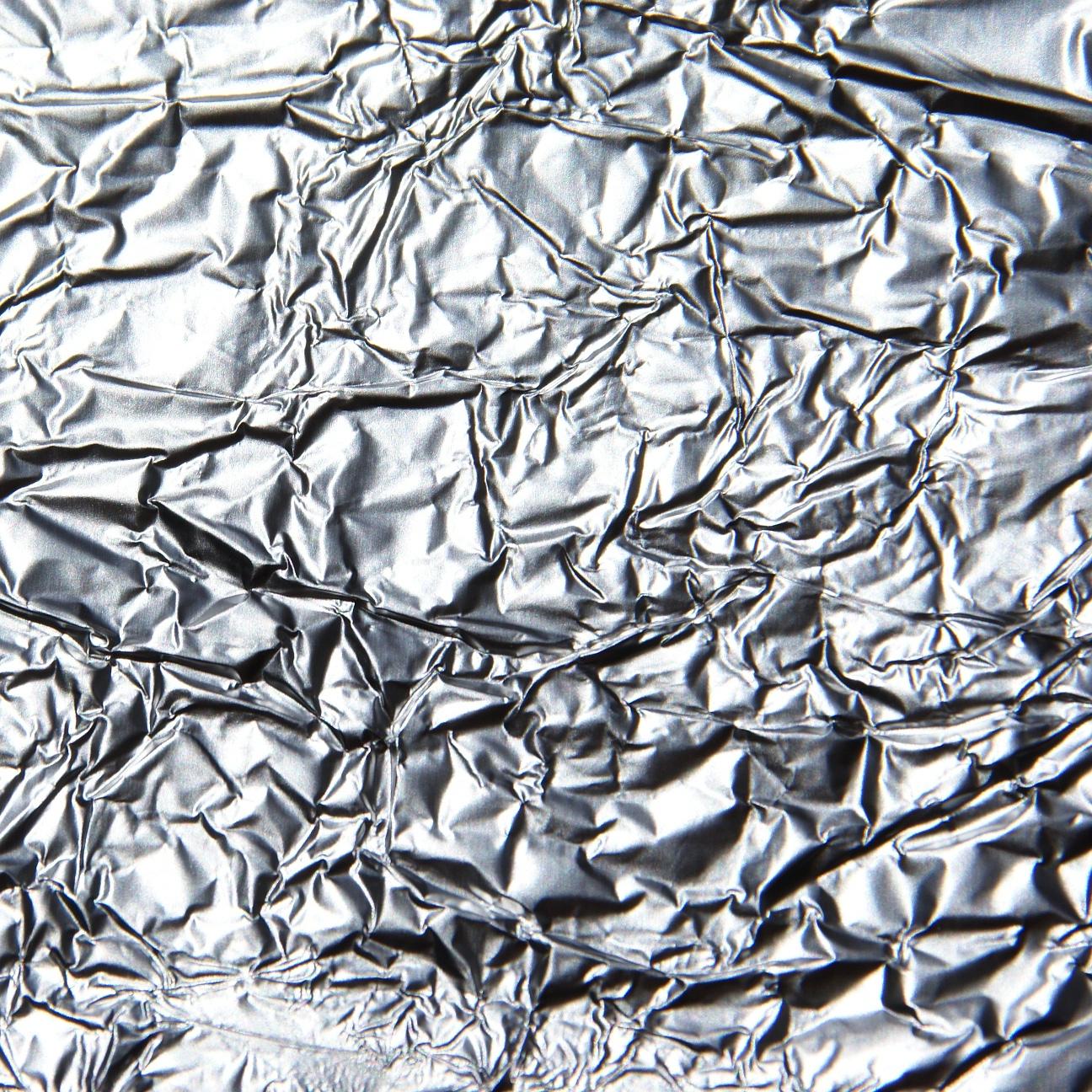
Why Aluminum Foil Has a Shiny Side and a Dull Side
The shiny and dull sides of aluminum foil come from a manufacturing quirk, not a cooking rule — and lab tests show almost no difference between them.
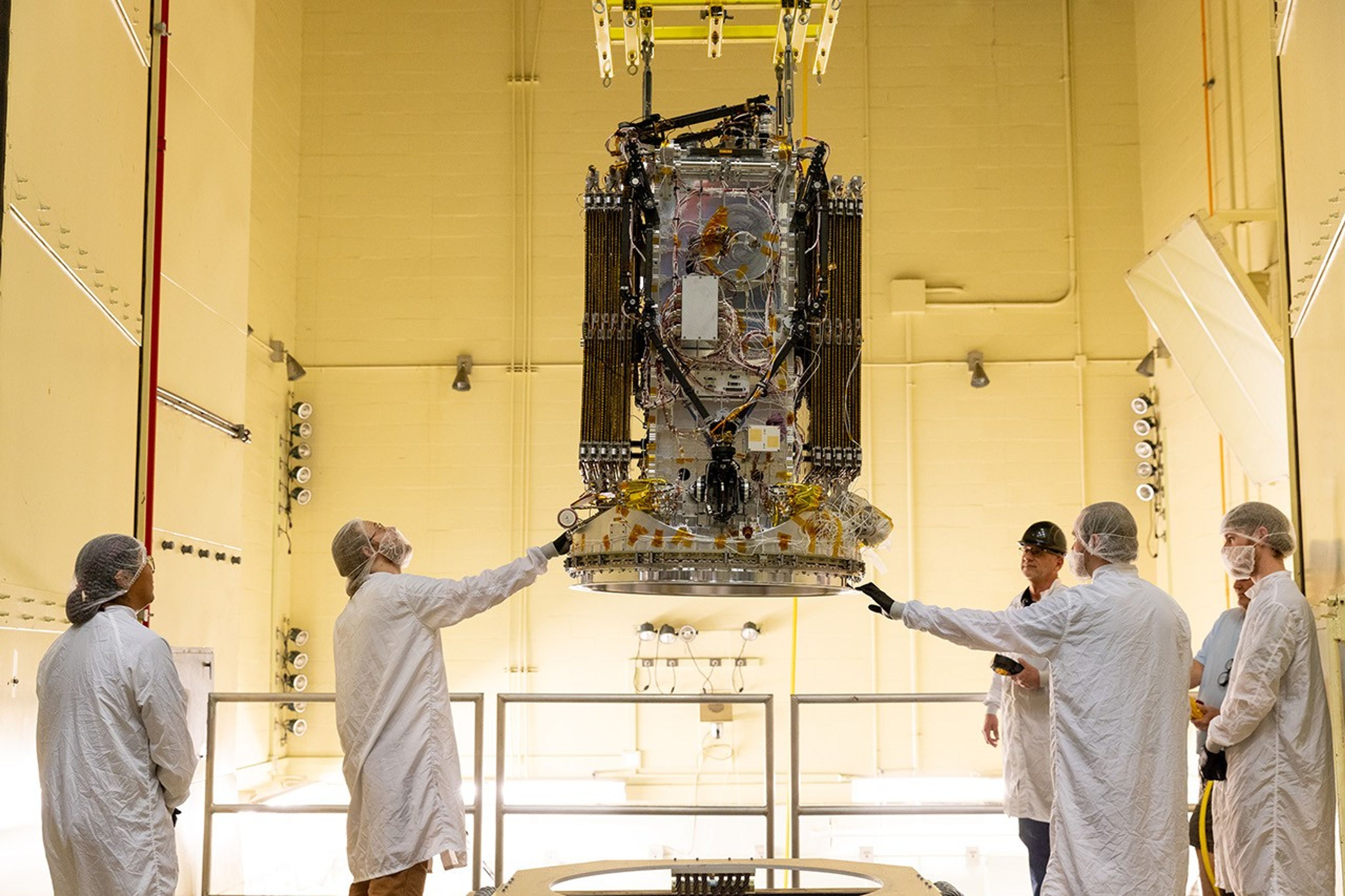
Why Satellites Fall From Orbit — and NASA's Race to Save One
A commercial spacecraft is trying to catch a falling NASA telescope before it burns up -- a real-time lesson in why nothing stays in orbit forever.

Why Thunder Sometimes Cracks and Other Times Just Rumbles
A lightning bolt makes one discharge. What you hear afterward depends entirely on how far away you're standing when the sound arrives.

Why Does Your Voice Sound Different in Recordings?
The voice you hear in your head and the one everyone else hears aren't the same signal, and the difference comes down to a wiring quirk in your skull.

Why Planes Always Take Off and Land Facing the Wind
Planes chase headwinds on purpose: a 20-knot wind at the nose can cut takeoff and landing ground speeds by 20 knots or more, which is why runways face different directions depending on the day.

The Physics Behind Why Your Car Door Shocks You
Static shocks from car doors spike in dry, cold weather for a specific physics reason involving friction, fabric and where the charge finally finds ground.

Solar flare, CME or geomagnetic storm: which one hits Earth
Three space-weather words get used interchangeably and describe three different things. The sequence, not the synonym, explains what actually reaches the ground.

What Is the Kp Index? How to Read an Aurora Forecast
Kp is a three-hour magnetism index that aurora chasers borrowed. It tells you whether tonight is worth staying up for, and almost nothing about whether you will actually see the northern lights.

Can a Solar Flare Knock Out the Power Grid?
A solar flare mostly scrambles radio and GPS. The real grid threat is the coronal mass ejection behind it. Here is how a geomagnetic storm damages transformers.

NASA Launches a Robot to Rescue Its Falling Swift Telescope
The $30 million mission is the first attempt by a private spacecraft to capture a U.S. government satellite that was never built to be caught.

Minnesota Lab Builds a Synthetic Cell That Grows and Divides
A University of Minnesota team says its lab-built "SpudCell" can feed, grow and divide using only non-living parts, a milestone that comes with an asterisk: peer review hasn't happened yet.

Sun’s Strongest Flare in Weeks Could Push Aurora South Friday
NOAA’s Space Weather Prediction Center has issued a G2 geomagnetic storm watch for July 3 after the sun’s biggest flare of the week triggered radio blackouts across North America.