Climate Change

Fuel Pricing Carries 77% of WHO's 1.6 Million Lives Saved
Six WHO-modelled actions would save 1.56 million lives a year, but one policy supplies 1.20 million. What the model counts and what the trillions are.

Breathing Out 2.05 Billion Tonnes of CO2 Is Not Warming the Planet
People exhaled 2.05 billion tonnes of CO2 in 2015, about 5.8% of fossil output. Most of it is carbon plants recently took from the air, so breathing is a recycled flux, not a warming one.

EPA's Own Math: $45 Billion in Savings, 60 Million Tons More Methane
Trump said the methane rule is terminated; EPA's signed paper is a proposal. Its impact analysis explains the $45 billion, the 210 million barrels and the 60 million tons.

The 71% Jump in Europe's Heat Deaths Is About 54% Like for Like
The Imperial and LSHTM estimate of 50,391 heat deaths in 854 cities is a record in its own 854-city series, on either population base, but it is a cities-only model, and the 71% headline gap shrinks like for like.
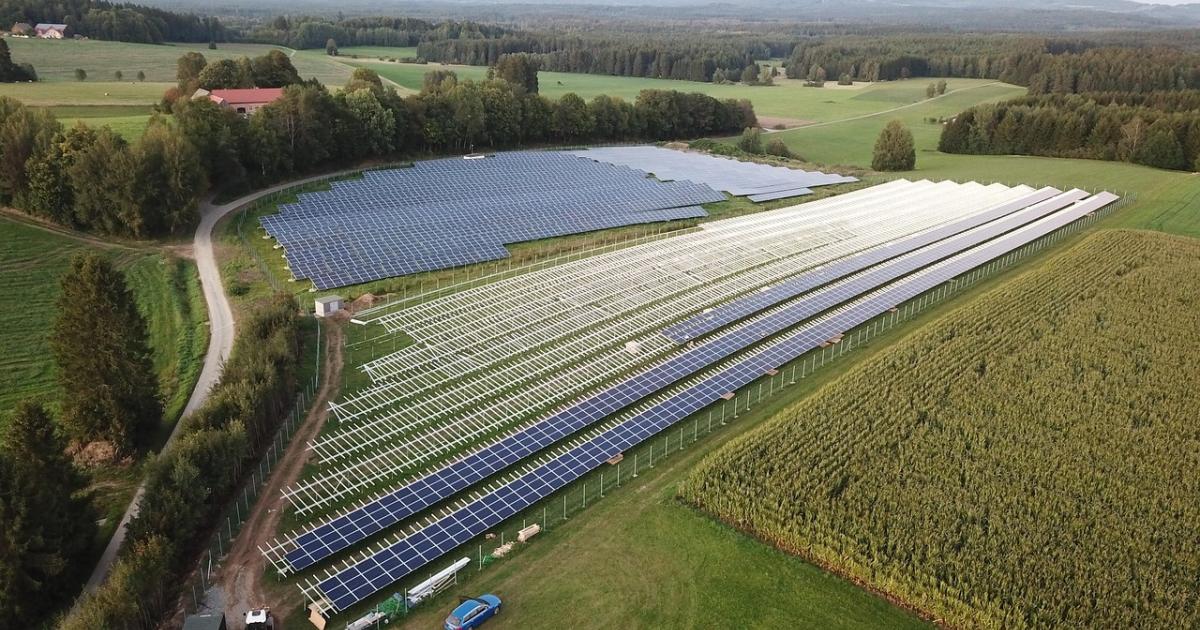
UNEP's 18% by 2030 Is About 10.5 Billion Tonnes; Pledges Cover Under Half
Applied to UNEP's 2025 total, the 18% cut needed by 2030 is about 10.5 billion tonnes, and the yearly pace climbs from about 3.9% to 10.8% by 2040. Current national plans cover under half of the first step.
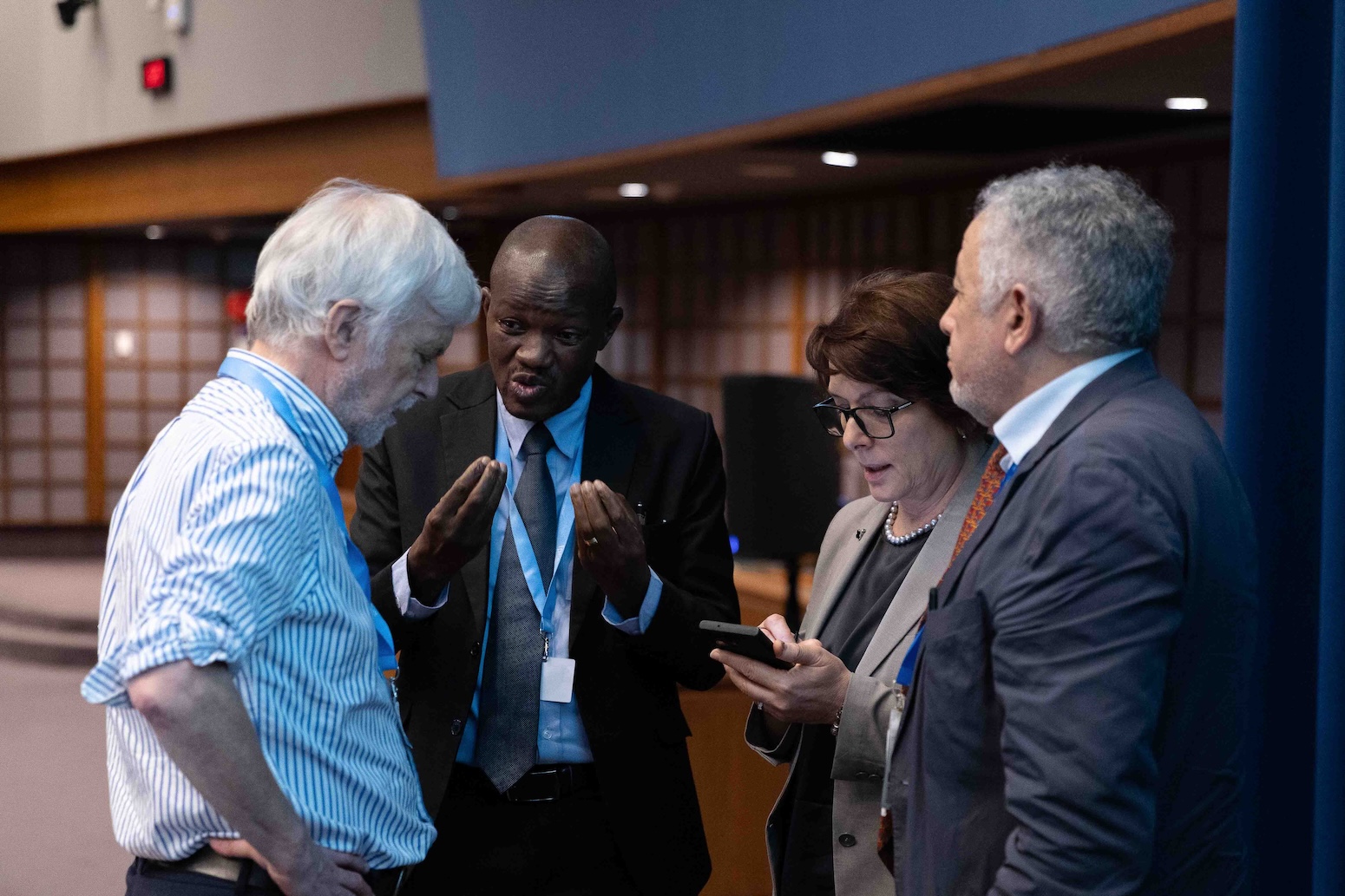
IPCC Delay Fight Hinges on Two Reports and a Trust Fund Running Dry
After 1,000 days without an agreed report timeline, the IPCC's Addis Ababa session is also deciding whether the panel can set a 2027 budget at all.

Frost Advisory vs. Freeze Warning vs. Hard Freeze: What Each Means
The three cold-weather alerts measure different risks, their cutoffs change from one forecast office to the next, and all of them disappear once your growing season is over.

Why Leaves Are Changing Color Early: What Drought Stress Means
Day length, the normal trigger for fall color, is the same every year. When a tree turns weeks early, drought or damage is usually doing the work, and 2026 has offered plenty of both.
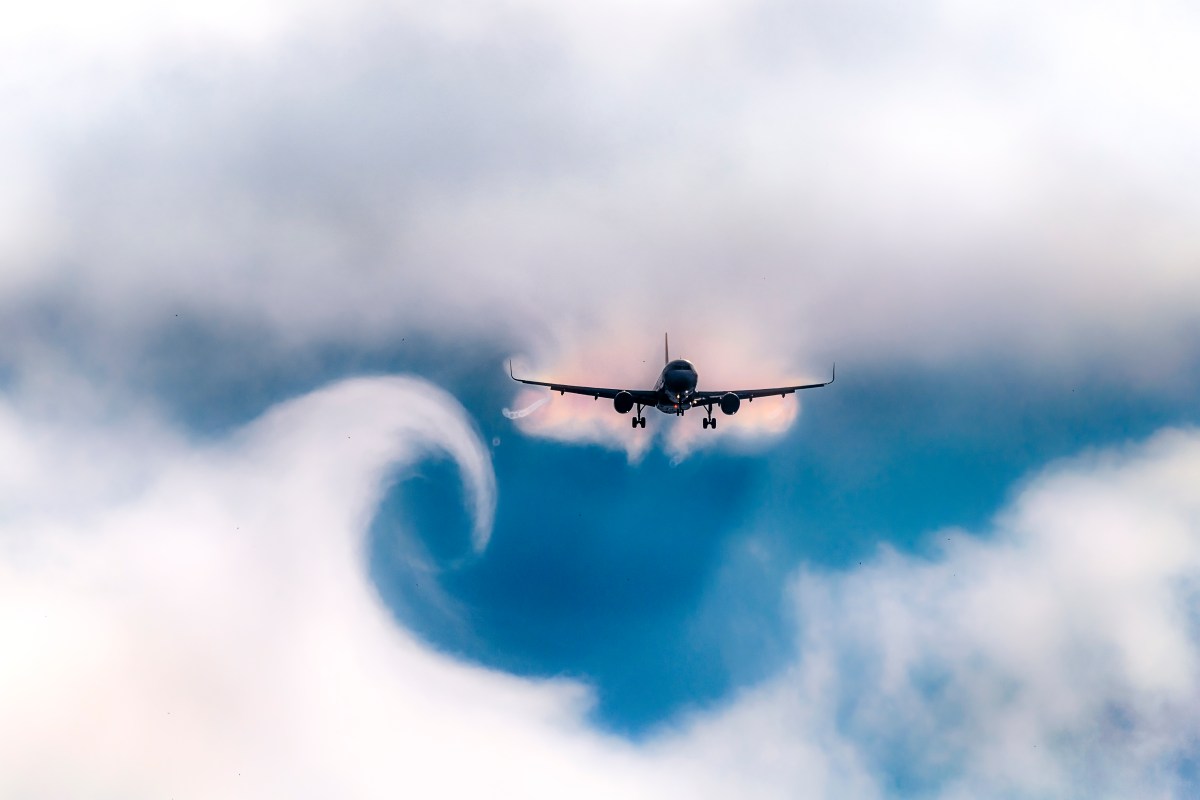
Why Turbulence Gets Worse on Winter Flights
Winter turbulence isn't a myth: clear-air turbulence has intensified 41% since 1971, and the jet stream's widest temperature swings happen in the cold months.

Why Wildfire Smoke Can Smell Like Burning Plastic
The acrid, chemical smell in wildfire smoke isn't your imagination — it's benzene and formaldehyde, and sometimes it's literally burning plastic.
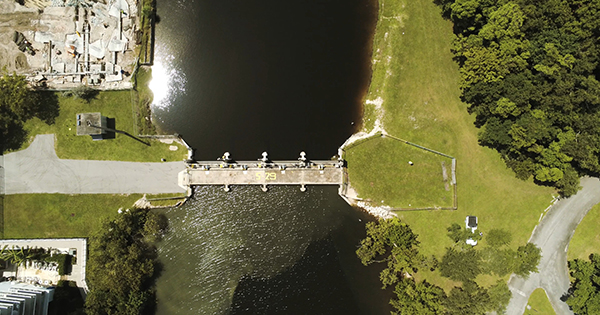
Why King Tides Flood Streets Without a Single Storm
Twice a year, the moon and sun line up to push ordinary high tides over seawalls with no storm in sight, and South Florida just published exactly when it happens next.

What Climate Overshoot Means Now That 1.5°C Is Gone
A new UN report concedes the Paris Agreement's 1.5°C limit will be crossed within years. What happens next is called "overshoot" — and it will shape climate policy for the rest of the century.

Why a Judge Blocked New York's $75 Billion Climate Law
A federal judge sided with 22 Republican state attorneys general to block New York's first-in-the-nation climate superfund fee, ruling the Clean Air Act preempts states from making polluters pay for storm and flood damage.

California's Fire Insurer Just Needed Its Own Bailout
After the 2025 Los Angeles fires, California's insurer of last resort needed a $1 billion rescue, its first since 1993. Homeowners who never filed a claim are footing part of the bill.
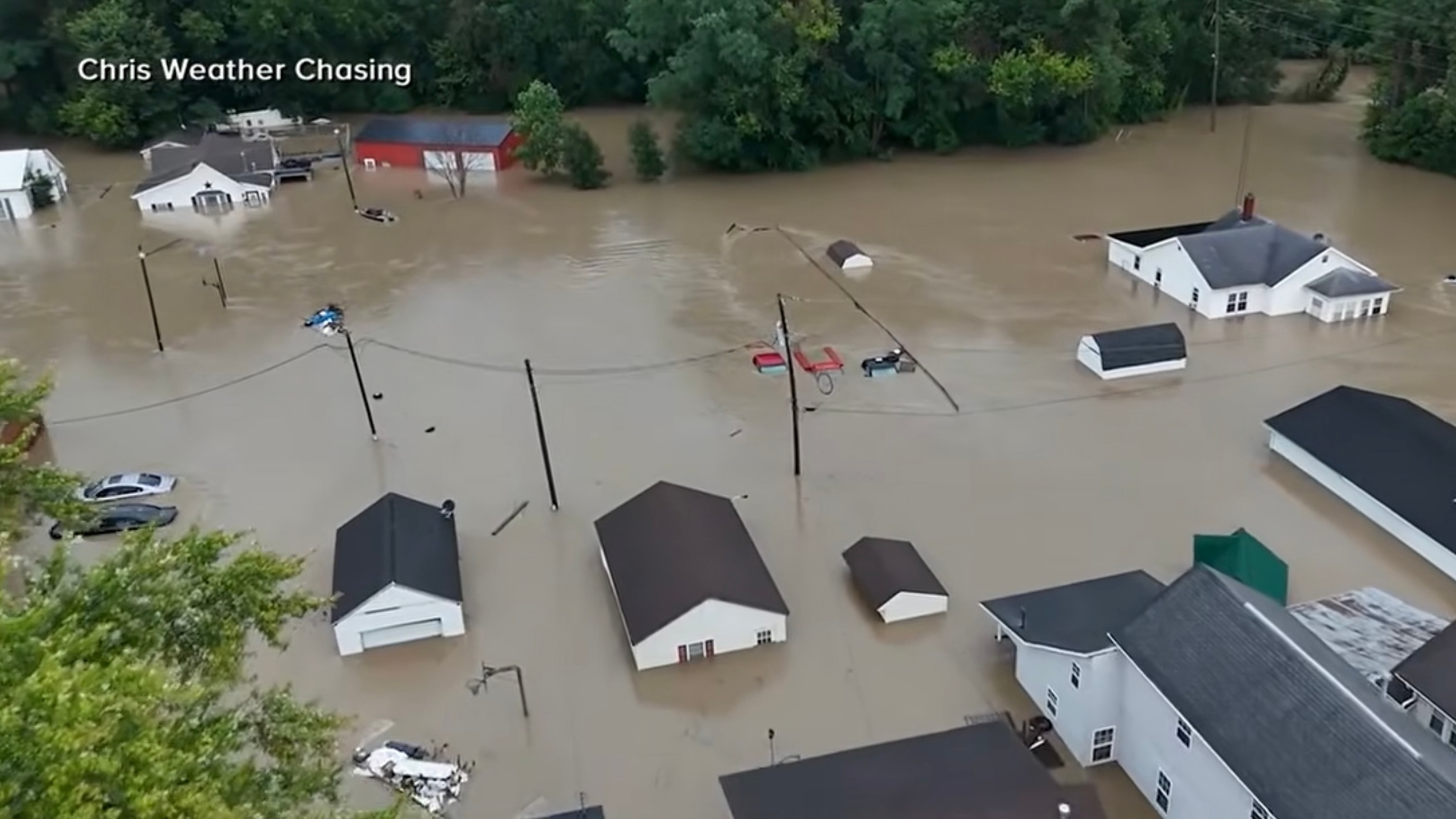
Indiana's Flood Was a 1-in-1,000-Year Storm the Drains Couldn't Handle
Record rain overwhelmed small-town Indiana this month. The bigger story is a stormwater system that earned a D on its last national report card, and a $115 billion repair bill nobody's paying.
Carbon Credits Don't Expire. They Get Retired
A carbon credit doesn't expire like a coupon, it gets 'retired' once and only once. Here's how retirement actually works, and the separate durability question it doesn't answer.
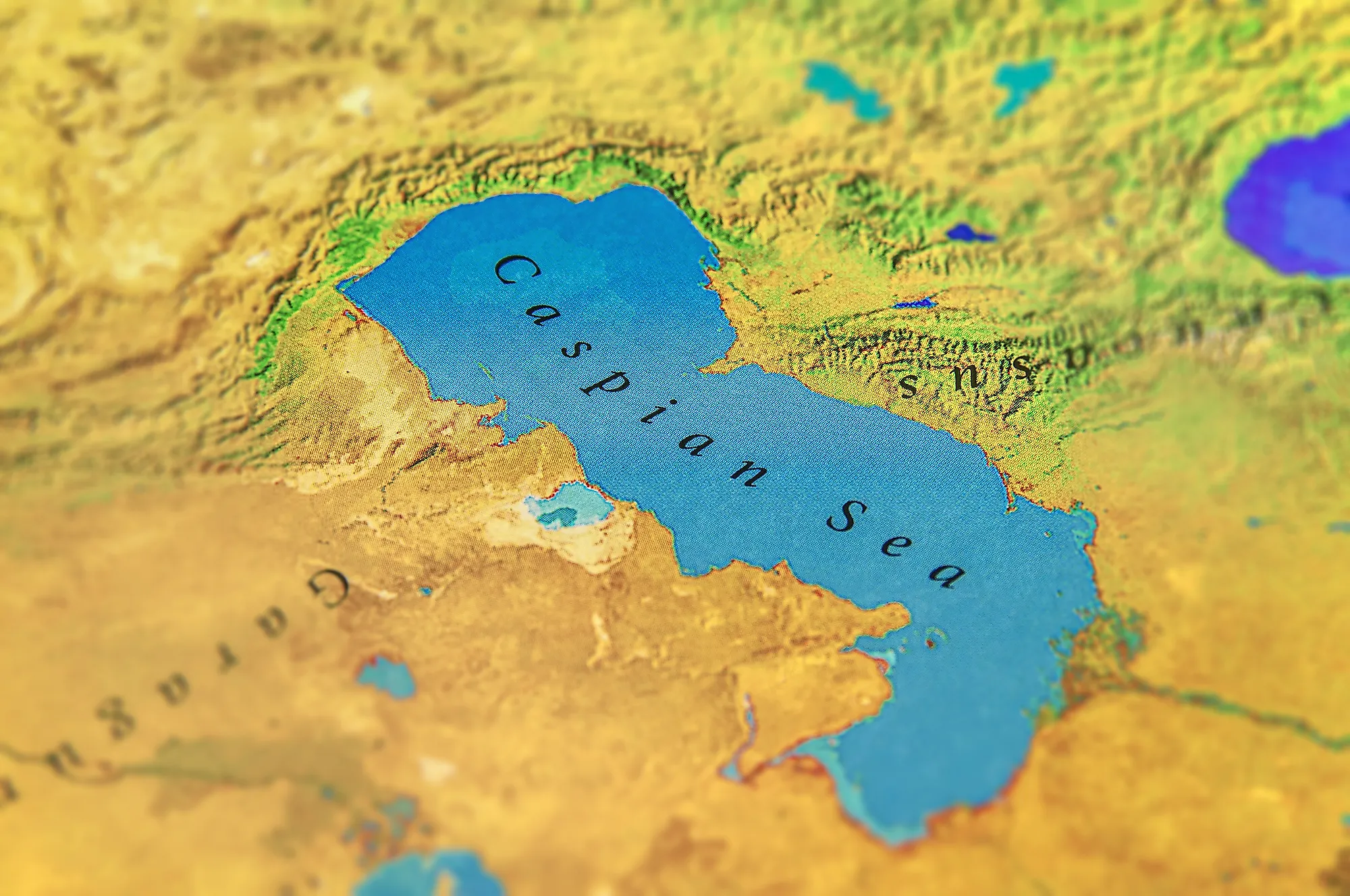
Why the Caspian Sea Is Legally Neither a Sea Nor a Lake
Salty, tidal-looking, and bigger than Germany, the Caspian fails the classic sea test on a technicality. Five countries spent 20 years fighting over what to call it instead.

Why Lakes 'Turn Over' Twice a Year, Explained
Water's density peaks at 39.2°F, not at freezing. That single anomaly drives the seasonal mixing that keeps a lake's deep water breathing.

Why Do Hurricanes Stall Over Land? The Science, Explained
When a hurricane's steering winds collapse, the storm can sit in place for days, turning a wind event into a flood catastrophe. Here's why it happens.

Why Nighttime Heat Is Rising Faster Than Daytime Highs in US Cities
Cities don't just run hotter than the countryside — they stay hotter after dark, and the nighttime gap is often wider than the daytime one.