Film Industry

Why the Oscars Banned Hans Zimmer's Dune: Part Two Score
An Academy rule aimed at recycled themes has quietly disqualified some of the best-reviewed film scores of the last two decades, Hans Zimmer's Dune: Part Two among them.

Why Movie Subtitles and Dubbed Dialogue Often Don't Match
Subtitles and dubbed dialogue are usually written by two separate translators solving two separate problems, which is why they rarely say the same thing.

Why Hollywood's Movie Raters Are Never Named
A ten-person board decides if your movie is PG-13 or R. Six of them you will never identify. The other four, including its chair since 2019, work in the open.
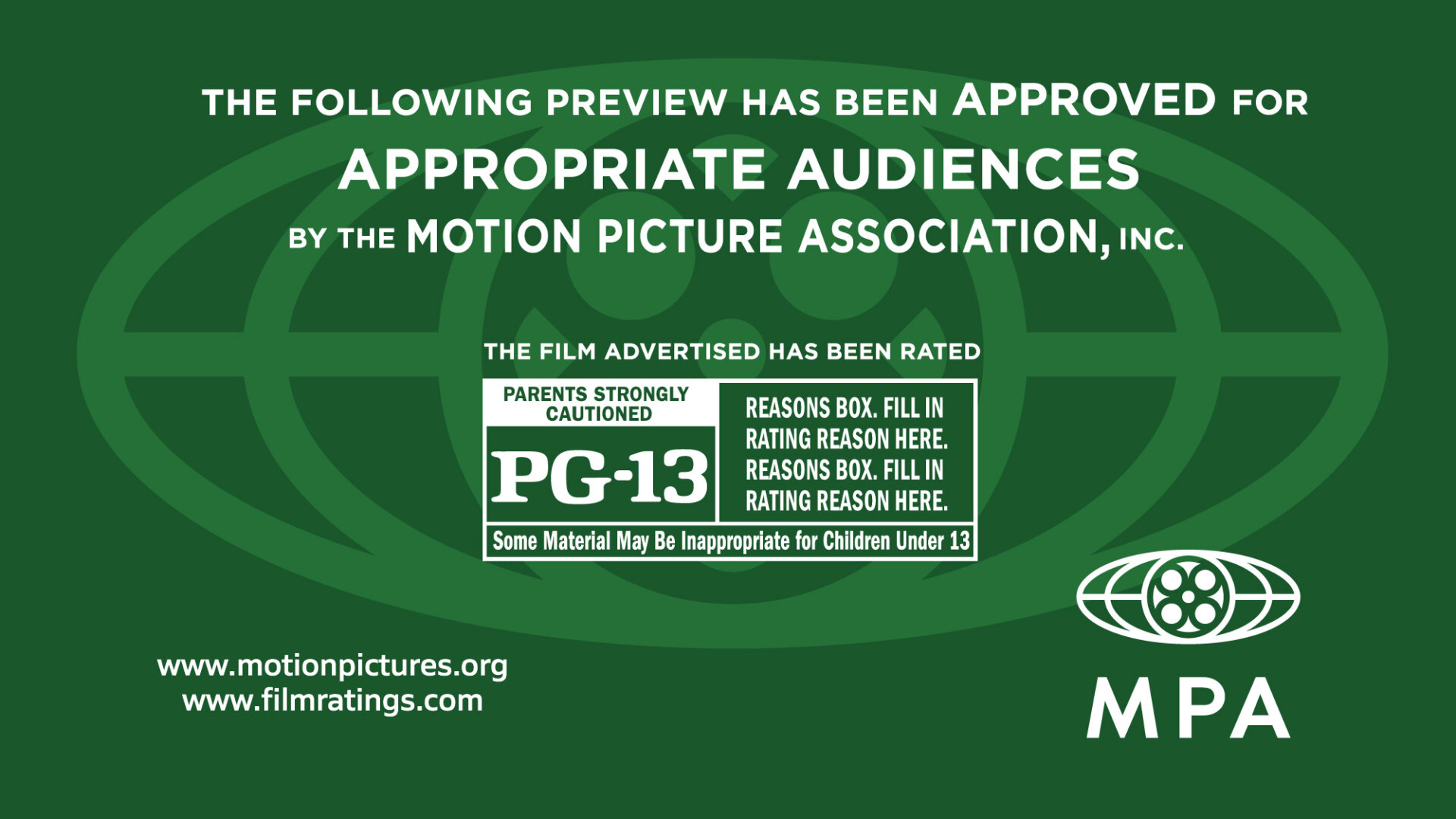
Why a PG-13 Movie in the US Can Be a 15 in the UK
Two ratings boards look at the same cut of film and land in different places, mostly because they weigh violence differently.

Why Movie Theaters Are Still So Cold, 100 Years Later
A 1925 Times Square theater bet everything on an untested cooling system and accidentally invented the summer blockbuster. The habit it started never really stopped.
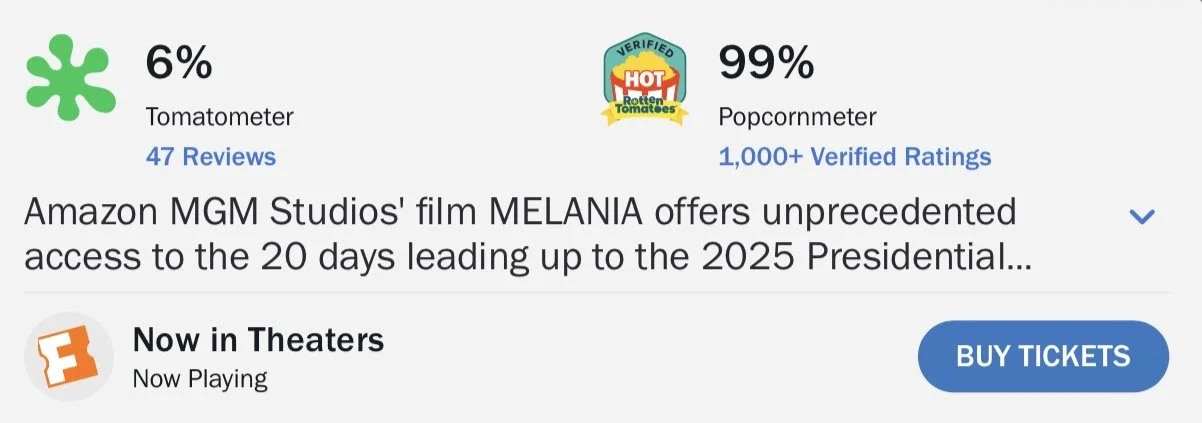
Why Rotten Tomatoes Scores Split Critics From Audiences
The Tomatometer counts positive reviews, not review quality. The audience score averages self-selected fans. When 'Melania' hit a 92-point gap in 2026, both mechanisms were on full display.

Why Only 10% of Movie Remakes Beat the Original
Rotten Tomatoes crunched the numbers on 400-plus remakes and reboots, and the verdict is almost uniform: the original usually wins.
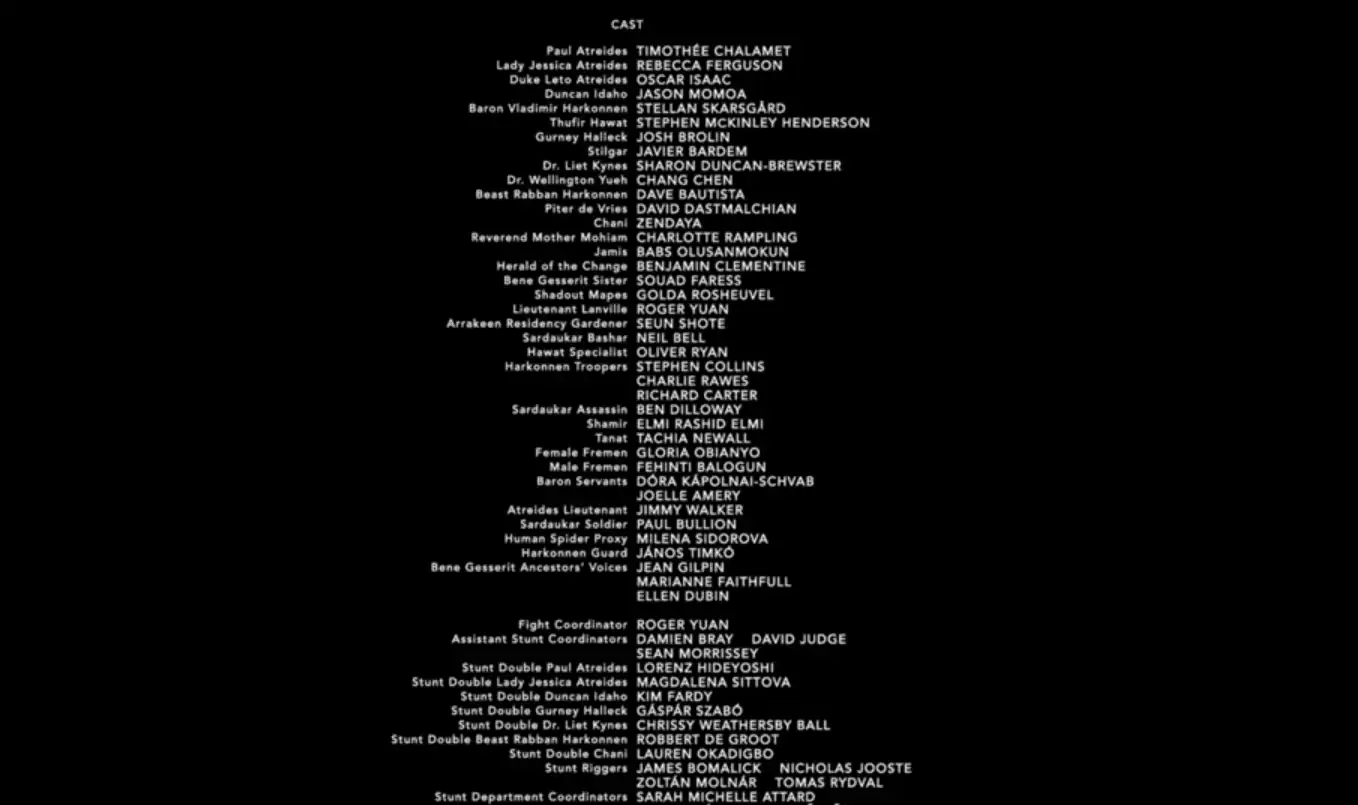
Why Movie Credits Grew From a Single Card to a 10-Minute Scroll
From "The Graduate's" near-silent ending to "Dune's" eight-minute scroll, here's why movie credits ballooned, and why the industry keeps making them longer.

Why Movie Theaters Dim the Lights Slowly, Not All at Once
That slow house-lights fade before a movie starts is not ambience for its own sake. It is borrowed from how rods and cones trade off in your retina, and it happens to be easier on the equipment too.