Culture — older stories

How the New York Times Bestseller List Actually Works
A dagger next to a book's name on the New York Times bestseller list means something specific. Here's what actually decides which books make the cut, and why some vanish just as fast.

Why Only 10% of Movie Remakes Beat the Original
Rotten Tomatoes crunched the numbers on 400-plus remakes and reboots, and the verdict is almost uniform: the original usually wins.

Deckle Edges, Explained: The 'Defect' Publishers Fake on Purpose
The feathered edges on some book pages look like a defect. They're a callback to hand papermaking that collectors have paid extra for since the 1600s.

Why Hotel Key Cards Stop Working, and It's Rarely Your Phone
Blame usually lands on a phone in your pocket, but most hotel key card failures trace back to expiration timers, encoding mistakes and aging locks.

Why Museums Still Ban Your Camera Flash, Even Though It's Harmless
The evidence says a camera flash barely dents what museum lighting already does to pigment each year. The real reasons galleries still ban it are older than digital cameras.

Why Hotels Use All-White Towels and Sheets
White sheets and towels look like a design choice. They're actually a decades-old laundry and branding decision the rest of the hotel industry copied because it worked.

Why Some Books Have Two Different ISBN Numbers
A book carrying two ISBNs usually isn't a printing error. It's either a leftover from the industry's 2007 switch to 13 digits, or separate codes for separate formats.
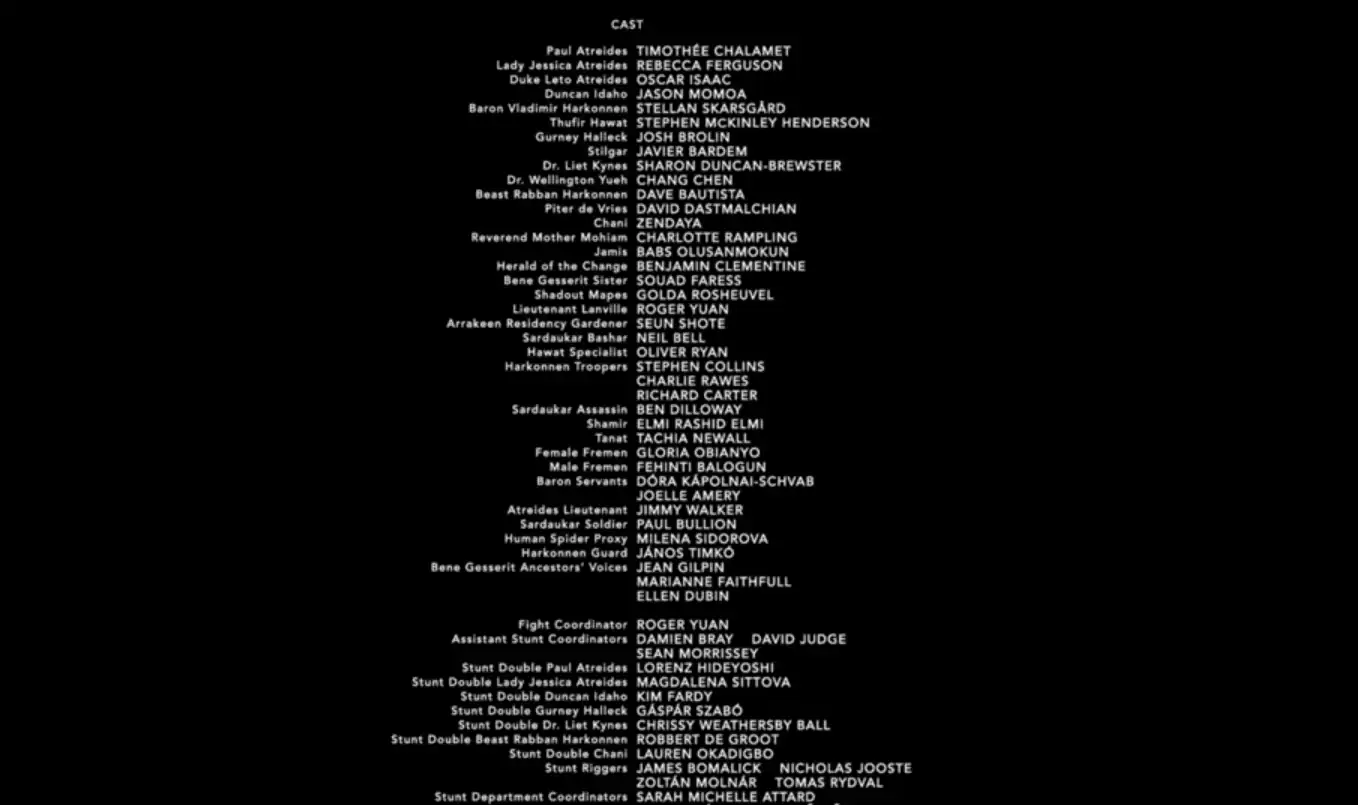
Why Movie Credits Grew From a Single Card to a 10-Minute Scroll
From "The Graduate's" near-silent ending to "Dune's" eight-minute scroll, here's why movie credits ballooned, and why the industry keeps making them longer.

Why Movie Theaters Dim the Lights Slowly, Not All at Once
That slow house-lights fade before a movie starts is not ambience for its own sake. It is borrowed from how rods and cones trade off in your retina, and it happens to be easier on the equipment too.

Why Vinyl Records Spin at Two Different Speeds
Two rival record labels raced to replace the fragile 78 in 1948, and neither backed down. The result is still spinning on turntables today.

Why IMAX Screens Are Curved (and Some Aren't)
Traditional and Dome IMAX theaters curve their screens to fight distortion and widen your field of view — but not every IMAX auditorium does.

Why CD Sales Are Suddenly Outgrowing Vinyl's in 2026
CD sales grew six times faster than vinyl's in the first half of 2026, per Luminate. Here's why, and what it means for a format everyone assumed was finished.
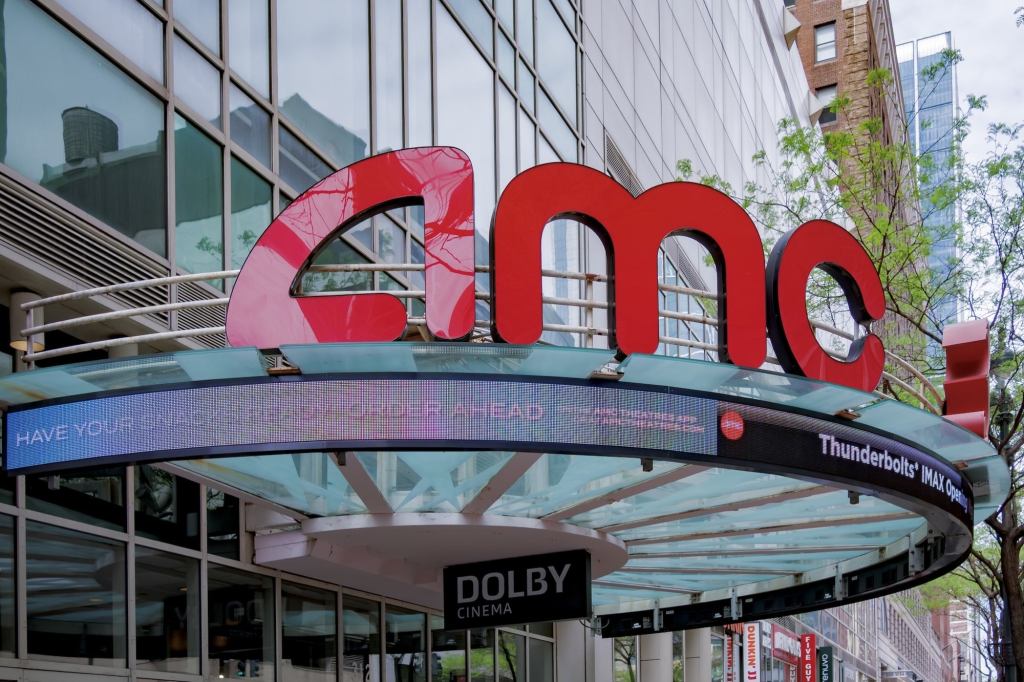
Why Your Movie's Showtime Isn't When It Starts
AMC now warns ticket buyers to expect 25-30 minutes of ads and trailers before the film begins. The company’s own math behind the gap — and why it is shrinking.

The Rule Capping Movie Trailers at 2:30 Doesn't Exist
Everyone repeats the same line about a 2:30 trailer limit. A data analysis of nearly 7,000 trailers going back to 1930 shows the opposite is true.

How One Sound Engineer's Machine Taught America When to Laugh
Charles Douglass built the Laff Box to fix bad studio audiences in 1953. It ended up scoring six decades of sitcoms — until international pushback and a new comedy genre finally let the laughter go quiet.

Why the Movie on Your Flight Isn't the Theatrical Cut
Olivia Wilde didn't recognize her own film after watching it on a flight. The reason in-flight movies get re-cut has little to do with the airline and everything to do with an invisible vendor.

Why Good Olive Oil Never Comes in a Clear Bottle
Clear glass looks appealing on a shelf, but for olive oil it's a slow-motion quality problem. Here's the food chemistry behind the dark bottle, and where even dark glass falls short.

Why Classical Audiences Still Won't Clap Between Movements
The rule against clapping between symphony movements is younger than it sounds, born from claques, Mahler's objections and the arrival of recording equipment — and some top conductors think it should go.

Muzak Never Actually Played in Elevators. Here's What It Did
The company that gave the world 'elevator music' mostly never played it in elevators at all -- it engineered the soundtrack of the American workday instead.

Why Everyone's Watching TV With Subtitles On Now, Hearing Loss or Not
Eighty-five percent of Netflix viewers now watch with captions on, and most of them can hear just fine. Mumbled dialogue and a generation raised on TikTok text are why.