Consumer Electronics

Why Smart TVs Have Microphones, and the Tracking Feature That Matters More
The microphone in your TV remote is the obvious privacy worry. The setting regulators keep going after is automatic content recognition, which reports what is on your screen from every source.
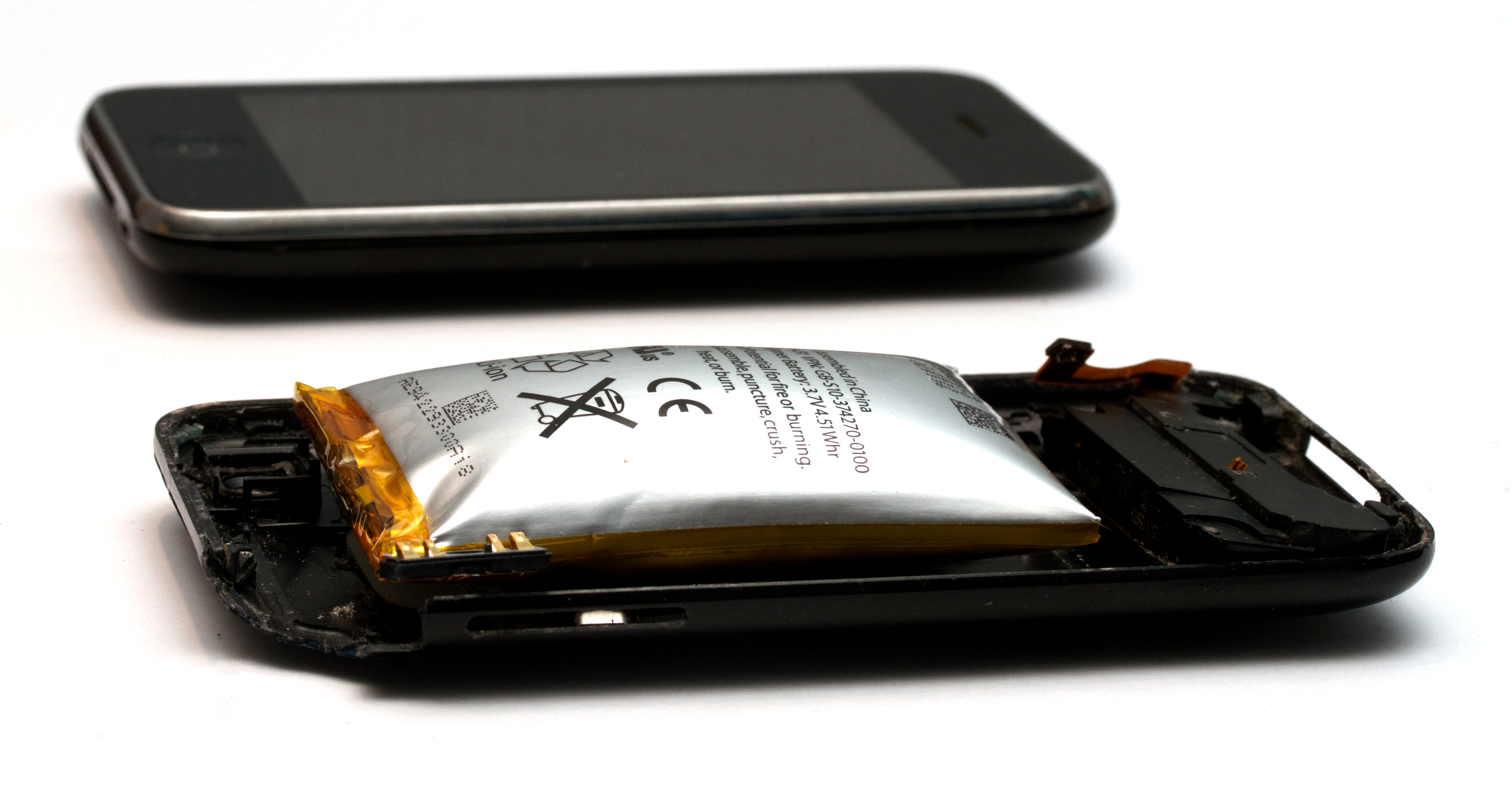
Why Phone and Laptop Batteries Swell — and What Never to Do
A puffed-up phone or laptop isn't a fixable glitch — it's a lithium-ion cell failing from the inside, and one wrong move with it can start a fire.

Why Deleting an App Doesn't Free Up as Much Space as You Expect
An app's listed size only covers the program binary. The cache and documents layer beneath it, which both Android and iOS wall off from automatic deletion, is where most of a full phone's storage actually lives.

Why Your Wireless Charger Always Feels Hotter Than a Cable
Wireless charging is roughly 70-80% efficient versus 95% for a cable, and the lost energy shows up as heat -- normal, and rarely something to worry about.
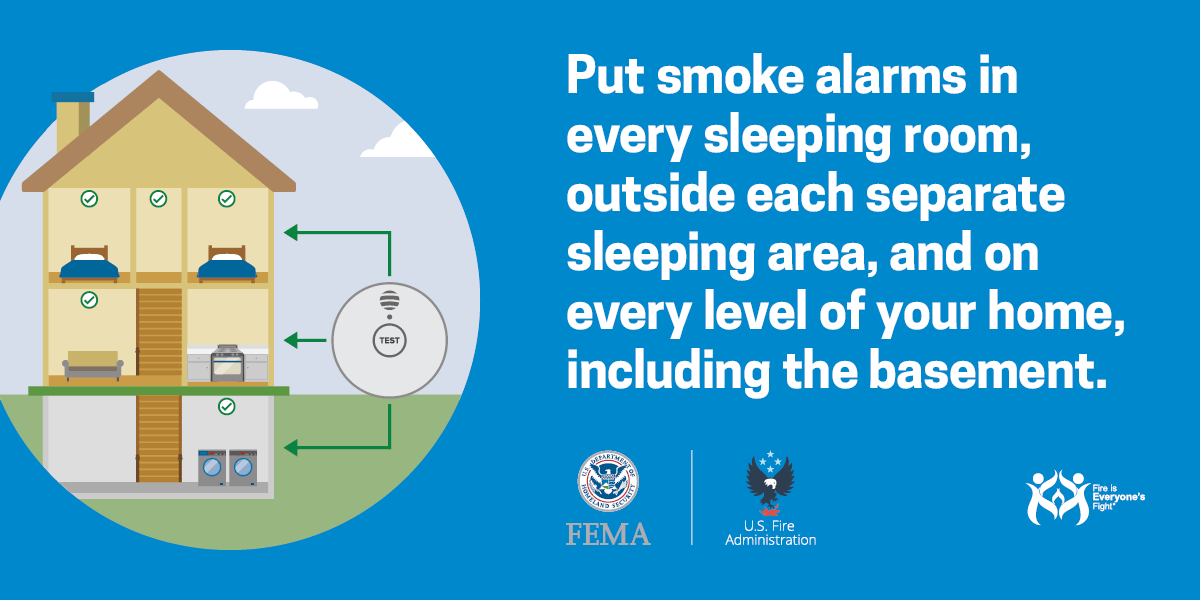
Why Your Smoke Alarm Can Pass Its Test and Still Fail You
A smoke alarm's test button only confirms the horn and wiring work, not whether its ionization or photoelectric sensor can still detect real smoke after a decade of dust, grease, and radioactive decay.

Why Your HDMI Cable Needs a Sticker to Handle 4K at 120Hz
There's no such thing as an "HDMI 2.1 cable" -- only a certified "Ultra High Speed" one, and the difference decides whether a TV blacks out at 120Hz.
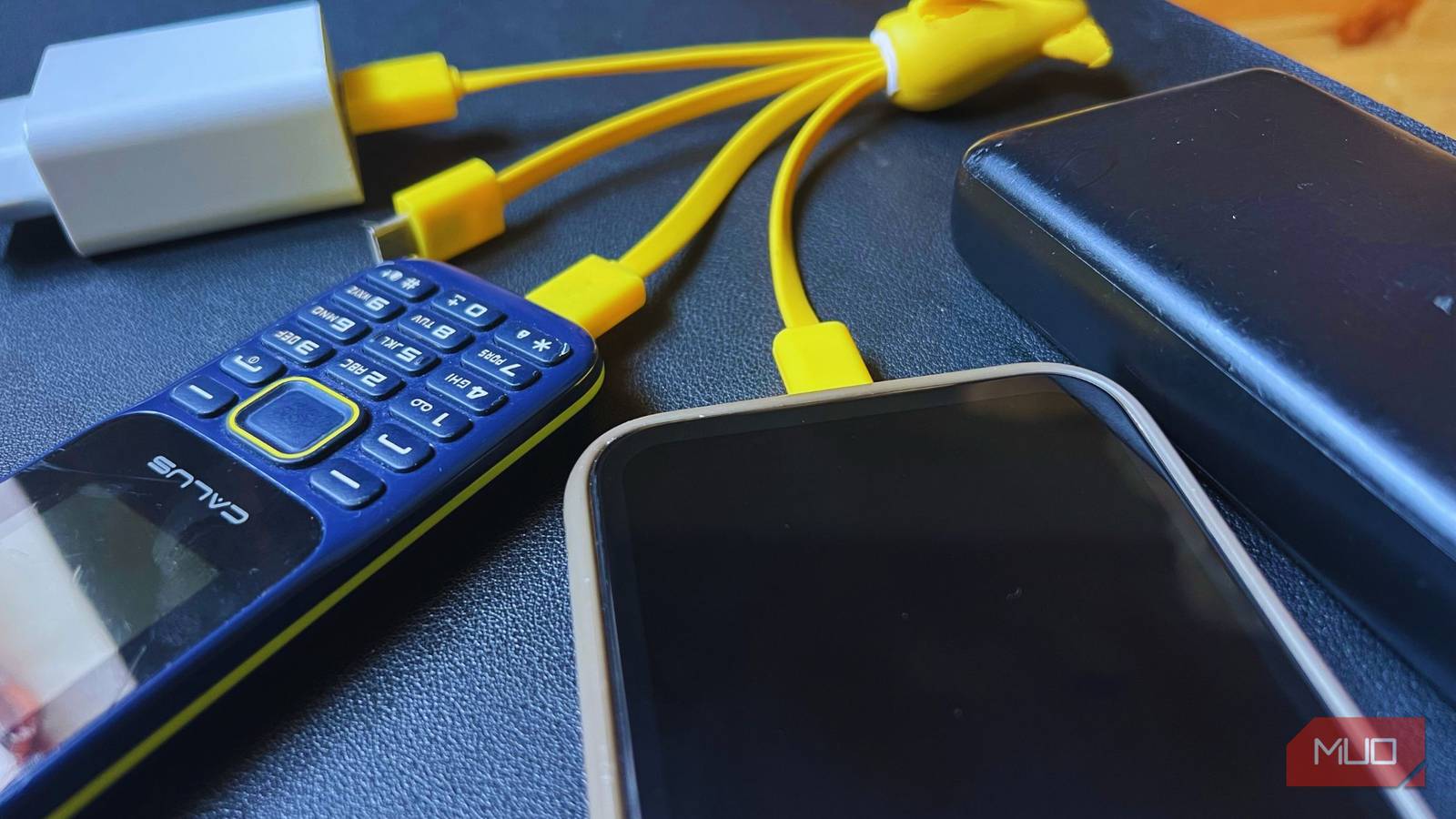
Why Two Same-Wattage Chargers Charge at Different Speeds
Two chargers rated at the same wattage can still charge a phone at very different speeds, and the wattage number rarely explains why.

Why Your Printer Drains Ink Even When You Haven't Printed Anything
Inkjet printers periodically flush ink through their nozzles to stop them clogging — sending it straight into a hidden waste pad, whether or not you've printed a page.

Why a Damaged QR Code Still Scans
A coffee stain or a peeling sticker shouldn't kill a QR code, and usually it doesn't. Here's the redundant-data trick, borrowed from deep-space communication, that keeps damaged codes readable.
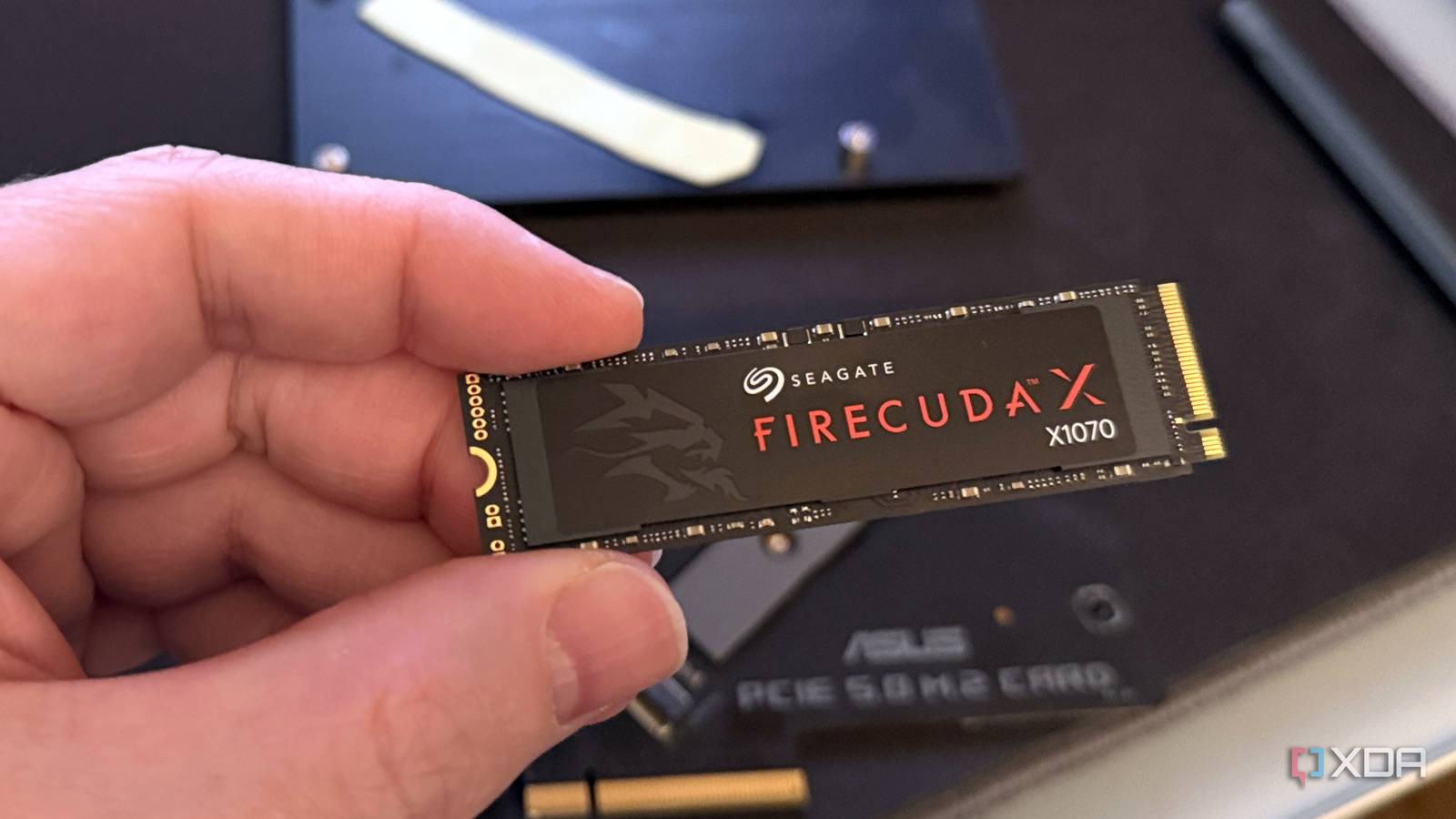
Why Your 'Slow' SSD Is Probably Just Full, Not Old
SSDs need free blocks to write fast. The real reason a drive suddenly feels slow is almost always capacity, not calendar age.

Why Your Smoke Detector Keeps Chirping, Even With a New Battery
Swapping the battery is supposed to end the chirping. When it doesn't, the real cause is almost always one of four things, and a dead battery usually isn't one of them.

Why Your Microwave Can Take Down the Wi-Fi
Microwave ovens and Wi-Fi routers share almost the same frequency, and one of them is about 35,000 times more powerful than the other.

Right to Repair Now Covers 1 in 4 Americans. The Loophole That Remains
Six state laws took effect Jan. 1, pushing repair protections past a quarter of the country. But a software trick called parts pairing shows how much control manufacturers still keep.

Why Lithium Batteries Swell Long Before They Actually Die
A bulging phone case or a laptop trackpad that won't sit flat is usually the first visible sign of a chemical reaction inside a lithium-ion cell that started days or weeks earlier.