Daniel Okafor — older stories

Why Wireless Earbuds Lose Sync Between Left and Right
True wireless earbuds run two separate Bluetooth connections, not one, and the link between the two buds is the fragile half. Here's the actual engineering reason one earbud drops before the other, and what fixes it.

Why Submarines Switch to Red Lighting at Night
Red light protects a submarine crew's night vision before a periscope watch. A Coast Guard researcher's blunt 2002 verdict complicates the tidy version of that story.
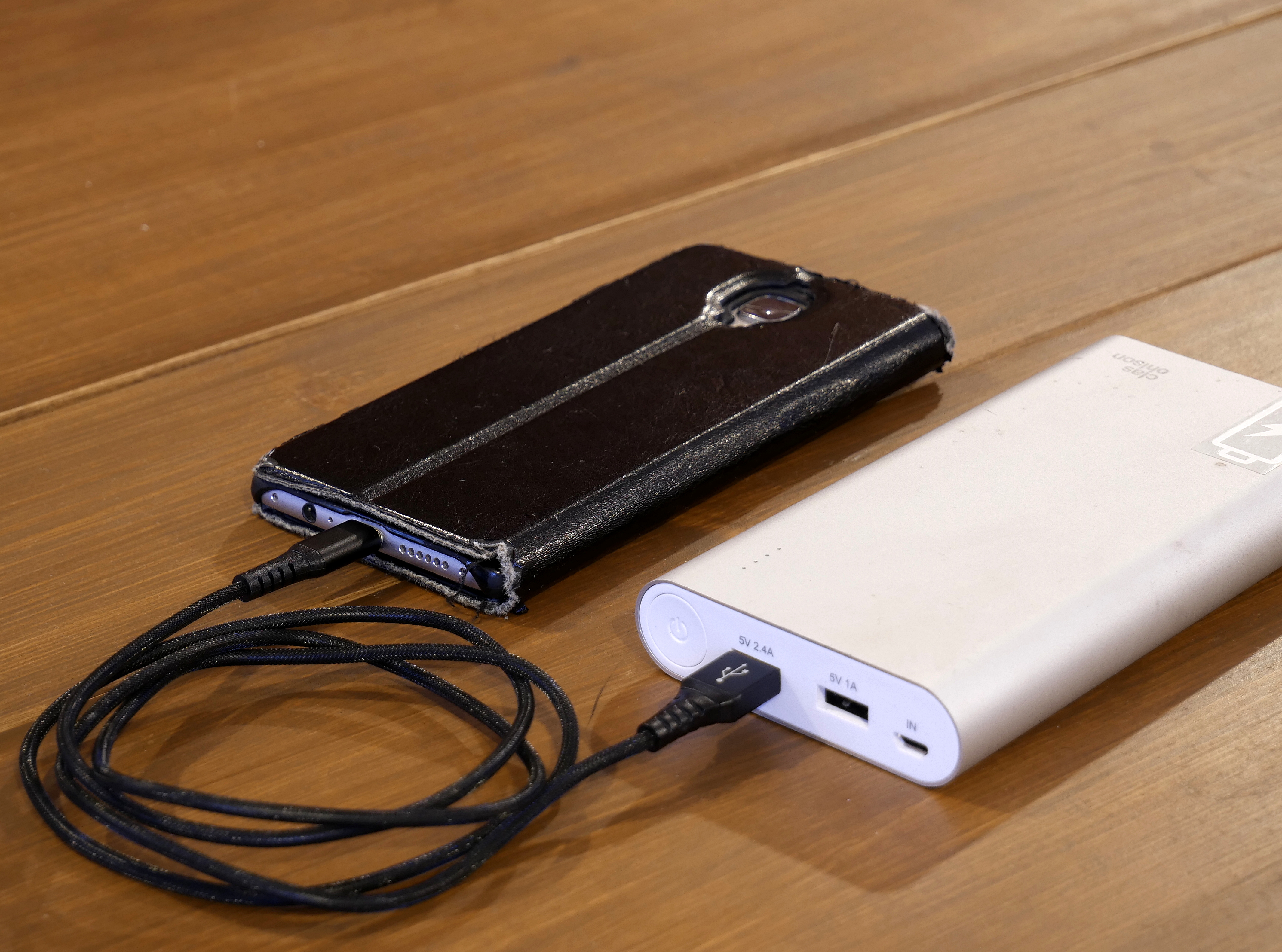
Why Your Phone's Battery Still Drains When It's Completely Off
A powered-down phone isn't on pause. Self-discharge, a clock circuit, and a storage habit worth breaking all quietly chip away at its charge.

Why Some Popcorn Kernels Never Pop, Explained
Unpopped "old maids" aren't random. A Purdue food chemist found the difference between a good popper and a dud comes down to moisture and a kernel's cellulose hull.

Why Some Earthquakes Come in Swarms, Not One Big Shock
Tuesday's magnitude 7.1 Kumamoto earthquake struck as one sudden jolt, while sequences in the Philippines and the Canary Islands unfolded as sprawling swarms. The difference comes down to fluid, not fault size.

Why Bluetooth Still Works in Airplane Mode
Airplane mode was built to silence your phone's cell radio, not your earbuds — the actual rule is about protecting cell towers on the ground.

Why Some Plants Close Their Leaves Every Night
Plants that fold their leaves at night aren't wilting or sleeping — they're running an evolved, energy-spending routine called nyctinasty.
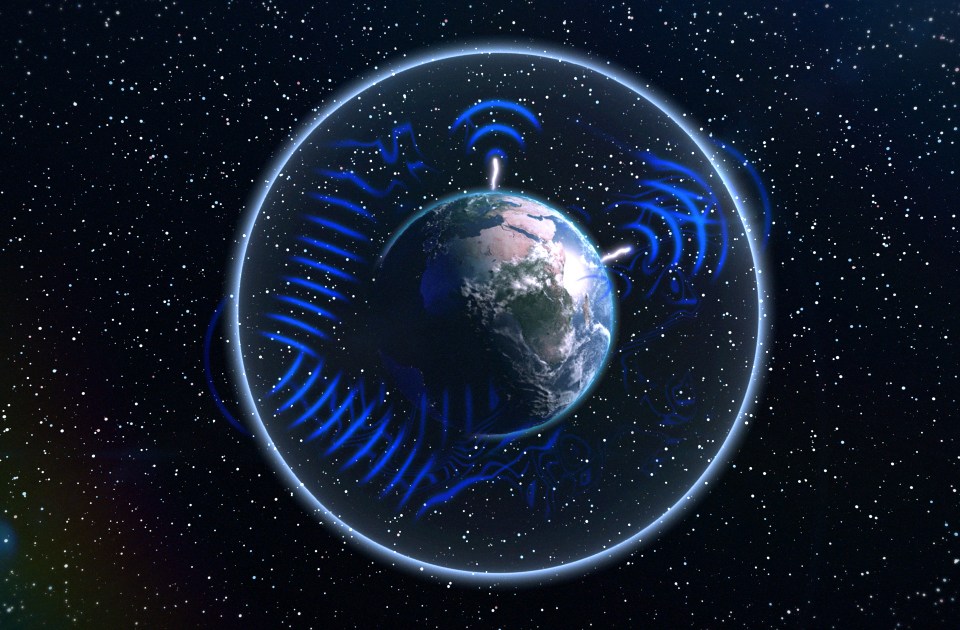
The Schumann Resonance, Explained: Real Physics Behind a Wellness Myth
The Schumann resonance is a real electromagnetic hum circling the planet, discovered in 1952 and confirmed in 1960. Here's the physics, and why the wellness claims built on it don't hold up.
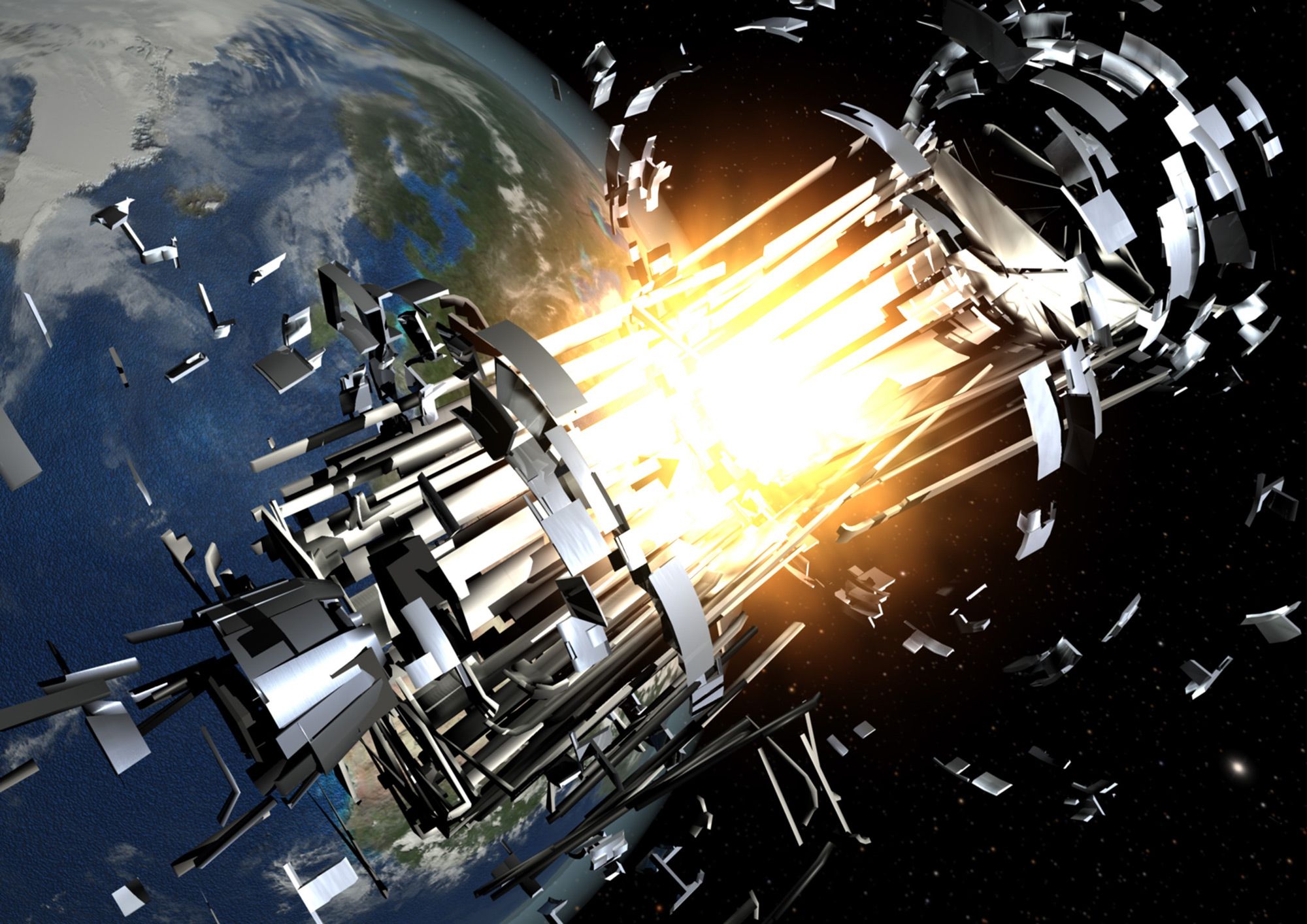
Has the Kessler Syndrome Already Started? Experts Are Split
NASA, ESA, MIT and University of Arizona scientists agree the space-debris cascade is plausible. They do not agree on whether it has already begun, or how bad it gets from here.

The CRASH Clock, Explained: How Close Satellites Really Are to Disaster
A new metric called the CRASH Clock measures how many days it would take for a first satellite collision in low Earth orbit if all maneuvering stopped, and its authors just revised the number sharply downward.

Why Bar Soap Doesn't Have an Expiration Date
A bar of soap left untouched for years still lathers fine. That's partly chemistry — and partly a quirk of FDA regulation that exempts true soap from the rules covering cosmetics and drugs.

The Coriolis Toilet Myth: What Really Makes the Water Spin
Toilets don't flush counterclockwise in one hemisphere and clockwise in the other. What actually decides the swirl is jet angle and bowl geometry, not planetary rotation.

The E-Marker Chip Inside Your USB-C Cable, Explained
Two USB-C cables can look completely identical and still perform nothing alike. The difference usually comes down to a chip smaller than a grain of rice.

Why Thunder Cracks Up Close but Rumbles From Far Away
A single lightning bolt can sound like a sharp crack in one spot and a rolling rumble a few miles away, and the split comes down to how far its miles-long channel is from your ear.
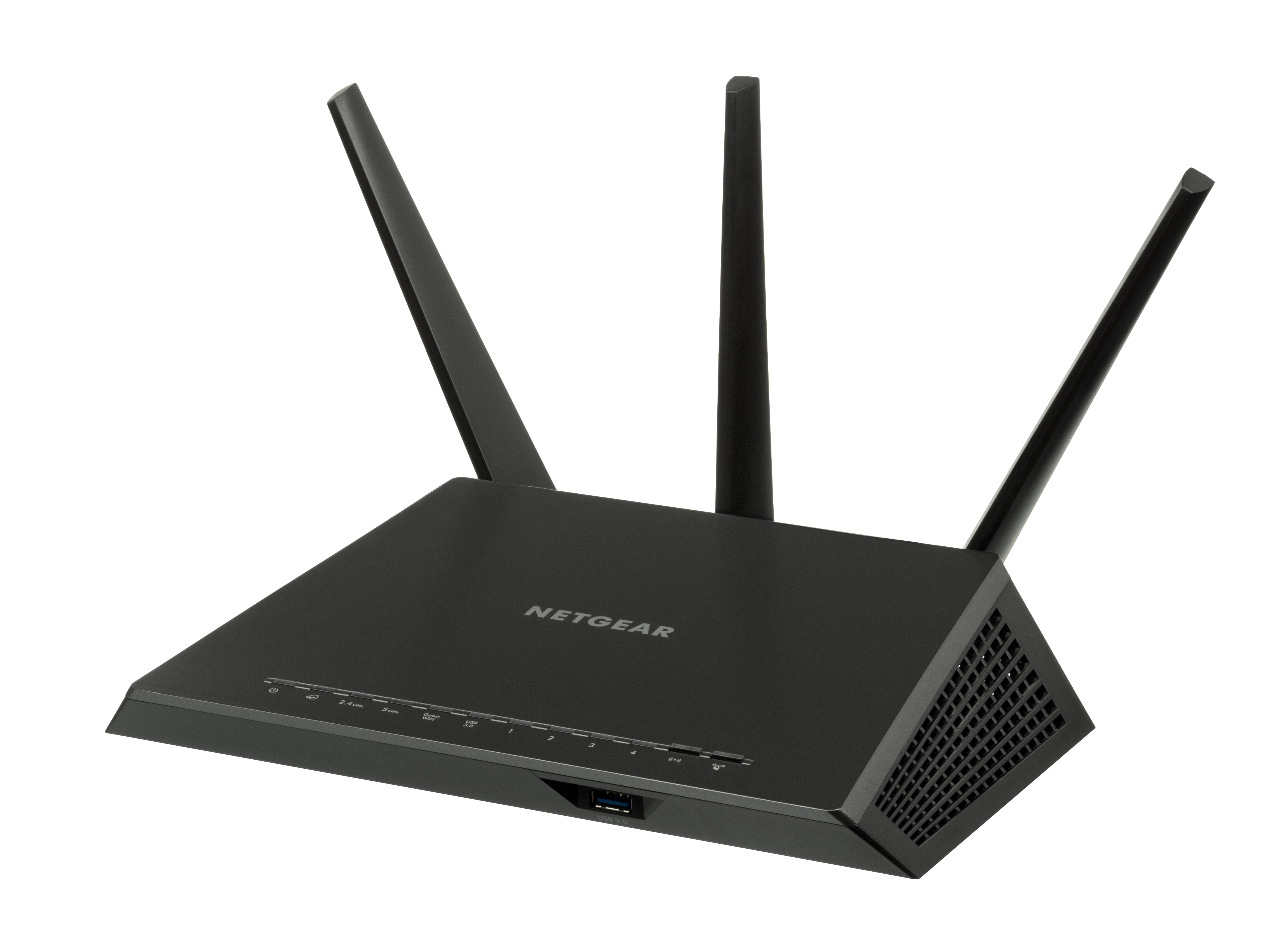
Why 5GHz Wi-Fi Is Faster but Doesn't Reach as Far
Every dual-band router quietly makes the same trade: 2.4GHz for reach, 5GHz for speed. The reason comes down to wavelength physics, not a router flaw.

Solar Cycle 25 Is Fading. The Auroras Might Not Be Yet
Solar Cycle 25 hit its peak in October 2024, but the history of two previous cycles suggests the biggest flares — and the biggest light shows — can still be ahead in 2026.

What Happens to Your Passkeys If You Lose Your Phone
Passkeys are supposed to be unphishable and unstealable, but that safety depends on whether yours are synced to the cloud or bound to a single device. Here's what actually happens when the device is gone.
Why Your Passkeys Don't Follow You From iPhone to Android
Passkeys are supposed to replace passwords entirely, but a credential created on an iPhone often can't be used on an Android phone. Here's the design decision behind it.

Magnetic North vs. True North: Why Your Compass Lies
Your compass isn't pointing at the North Pole. It's pointing at a wandering magnetic point currently 1,200 miles away and drifting toward Siberia.

Right to Repair Now Covers 1 in 4 Americans. The Loophole That Remains
Six state laws took effect Jan. 1, pushing repair protections past a quarter of the country. But a software trick called parts pairing shows how much control manufacturers still keep.