Maya Calder — older stories
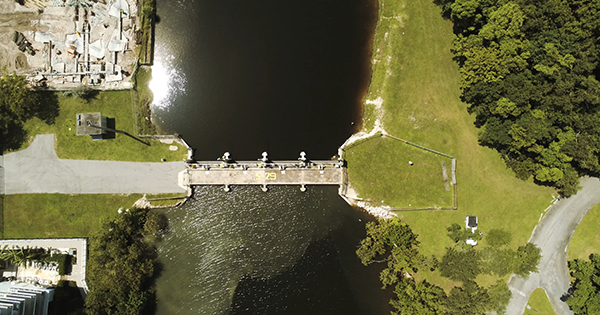
Why King Tides Flood Streets Without a Single Storm
Twice a year, the moon and sun line up to push ordinary high tides over seawalls with no storm in sight, and South Florida just published exactly when it happens next.

Why the Emmy "Year" Never Matches the Calendar Year
A twelve-month window that runs June to May, not January to December, explains why a hit new show can premiere and still wait a year for its shot at an Emmy.

How the Hollywood Walk of Fame Actually Repairs a Star
Dolly Parton's Walk of Fame star was vandalized days after her death, but the repair itself was already scheduled. Here's how the Hollywood Historic Trust actually fixes a star.

What Climate Overshoot Means Now That 1.5°C Is Gone
A new UN report concedes the Paris Agreement's 1.5°C limit will be crossed within years. What happens next is called "overshoot" — and it will shape climate policy for the rest of the century.

Why a Judge Blocked New York's $75 Billion Climate Law
A federal judge sided with 22 Republican state attorneys general to block New York's first-in-the-nation climate superfund fee, ruling the Clean Air Act preempts states from making polluters pay for storm and flood damage.

Why Wind Turbines Sometimes Shut Off on Windy Days
A stationary turbine on a windy day usually isn't broken. It's hit a safety limit, a grid order, or a maintenance window.
Why a PG-13 Movie in the US Can Be a 15 in the UK
Two ratings boards look at the same cut of film and land in different places, mostly because they weigh violence differently.

Why AMC and Other Theaters Now Run 30 Minutes of Ads
A 2019 ad deal set off a decade-long standoff between theater chains chasing revenue and studios who need people to actually see the trailers.

Why Balcony Solar Is Still Illegal in Most States, Explained
A 400-watt panel that plugs into a wall outlet like a toaster is one governor's signature away from being legal in California. Most states still haven't caught up.

Why Movie Theaters Are Still So Cold, 100 Years Later
A 1925 Times Square theater bet everything on an untested cooling system and accidentally invented the summer blockbuster. The habit it started never really stopped.

California's Fire Insurer Just Needed Its Own Bailout
After the 2025 Los Angeles fires, California's insurer of last resort needed a $1 billion rescue, its first since 1993. Homeowners who never filed a claim are footing part of the bill.
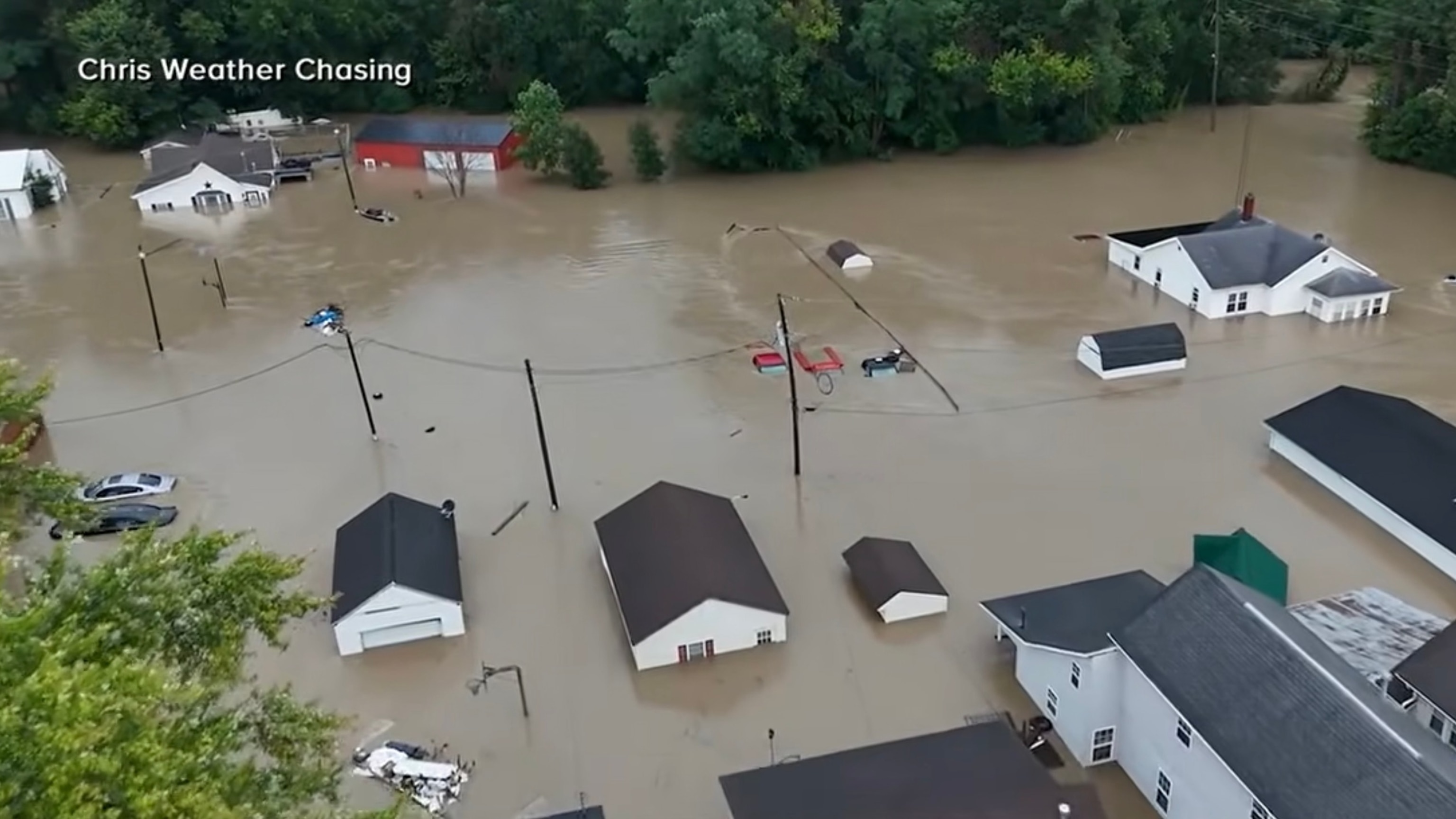
Indiana's Flood Was a 1-in-1,000-Year Storm the Drains Couldn't Handle
Record rain overwhelmed small-town Indiana this month. The bigger story is a stormwater system that earned a D on its last national report card, and a $115 billion repair bill nobody's paying.
Carbon Credits Don't Expire. They Get Retired
A carbon credit doesn't expire like a coupon, it gets 'retired' once and only once. Here's how retirement actually works, and the separate durability question it doesn't answer.
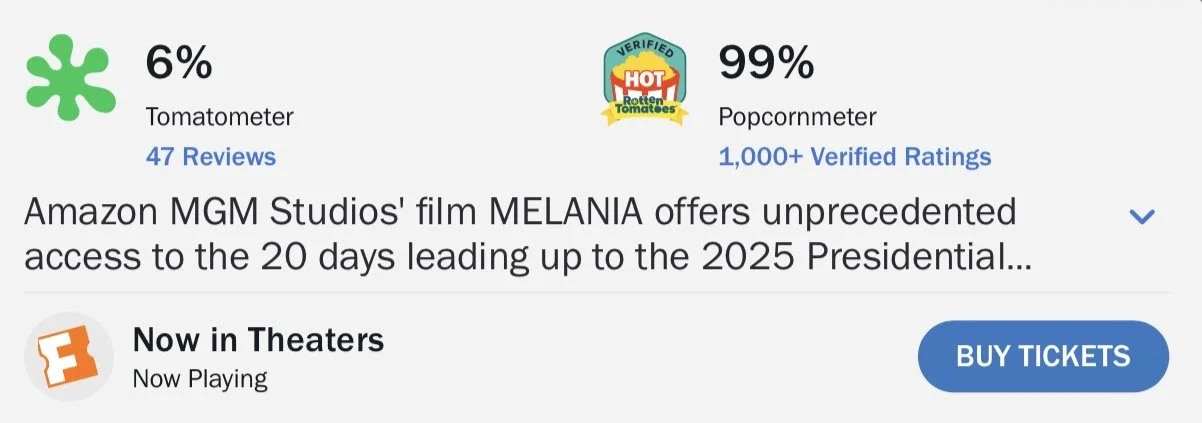
Why Rotten Tomatoes Scores Split Critics From Audiences
The Tomatometer counts positive reviews, not review quality. The audience score averages self-selected fans. When 'Melania' hit a 92-point gap in 2026, both mechanisms were on full display.

How the New York Times Bestseller List Actually Works
A dagger next to a book's name on the New York Times bestseller list means something specific. Here's what actually decides which books make the cut, and why some vanish just as fast.

Why Thunder Sometimes Cracks and Sometimes Rumbles
The same lightning bolt can sound like a gunshot or a drumroll depending on how far away it struck. Here's the physics behind both.

Why Only 10% of Movie Remakes Beat the Original
Rotten Tomatoes crunched the numbers on 400-plus remakes and reboots, and the verdict is almost uniform: the original usually wins.
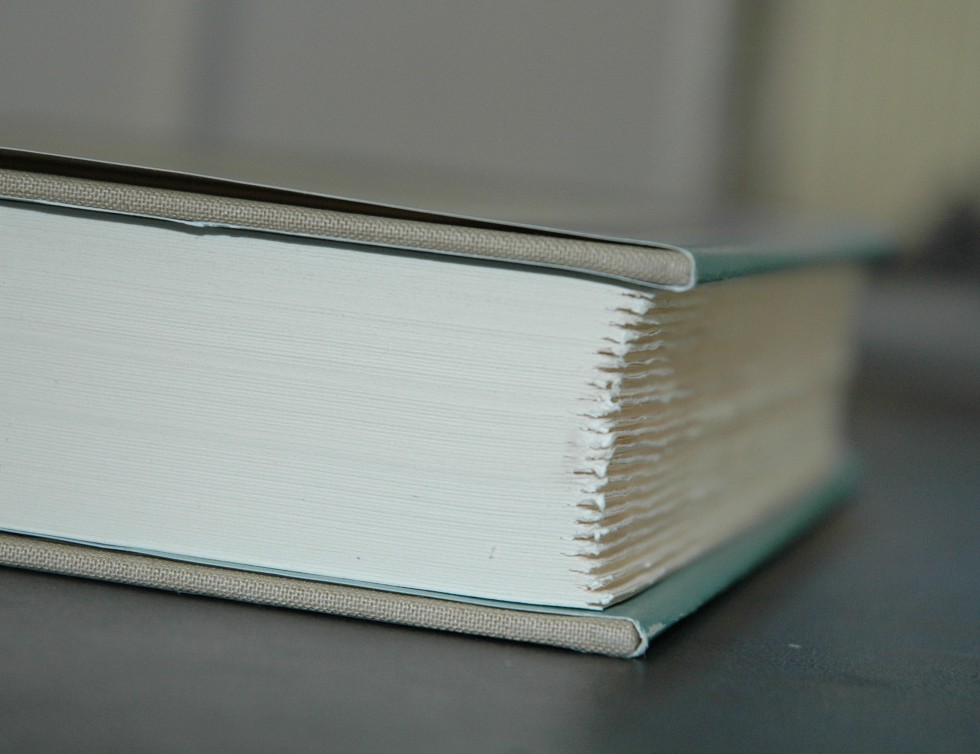
Deckle Edges, Explained: The 'Defect' Publishers Fake on Purpose
The feathered edges on some book pages look like a defect. They're a callback to hand papermaking that collectors have paid extra for since the 1600s.
Tariff vs. Price Floor: What Trump's New Solar Rule Does
The White House set a 15% tariff on polysilicon and, separately, a hard minimum price. The two tools do very different jobs, and the gap between them explains why solar makers are watching closely.
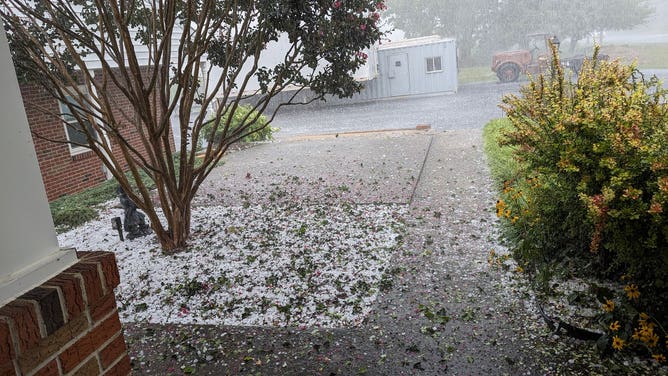
Graupel vs. Hail: The Difference Is in How Cold It Got
It looks like hail and sounds like hail — but squeeze it, and graupel crumbles like styrofoam because it forms almost the opposite way.