Science — older stories

Why Planes Always Take Off and Land Facing the Wind
Planes chase headwinds on purpose: a 20-knot wind at the nose can cut takeoff and landing ground speeds by 20 knots or more, which is why runways face different directions depending on the day.

The Physics Behind Why Your Car Door Shocks You
Static shocks from car doors spike in dry, cold weather for a specific physics reason involving friction, fabric and where the charge finally finds ground.

Solar flare, CME or geomagnetic storm: which one hits Earth
Three space-weather words get used interchangeably and describe three different things. The sequence, not the synonym, explains what actually reaches the ground.

What Is the Kp Index? How to Read an Aurora Forecast
Kp is a three-hour magnetism index that aurora chasers borrowed. It tells you whether tonight is worth staying up for, and almost nothing about whether you will actually see the northern lights.

Can a Solar Flare Knock Out the Power Grid?
A solar flare mostly scrambles radio and GPS. The real grid threat is the coronal mass ejection behind it. Here is how a geomagnetic storm damages transformers.

NASA Launches a Robot to Rescue Its Falling Swift Telescope
The $30 million mission is the first attempt by a private spacecraft to capture a U.S. government satellite that was never built to be caught.

Minnesota Lab Builds a Synthetic Cell That Grows and Divides
A University of Minnesota team says its lab-built "SpudCell" can feed, grow and divide using only non-living parts, a milestone that comes with an asterisk: peer review hasn't happened yet.

Sun’s Strongest Flare in Weeks Could Push Aurora South Friday
NOAA’s Space Weather Prediction Center has issued a G2 geomagnetic storm watch for July 3 after the sun’s biggest flare of the week triggered radio blackouts across North America.
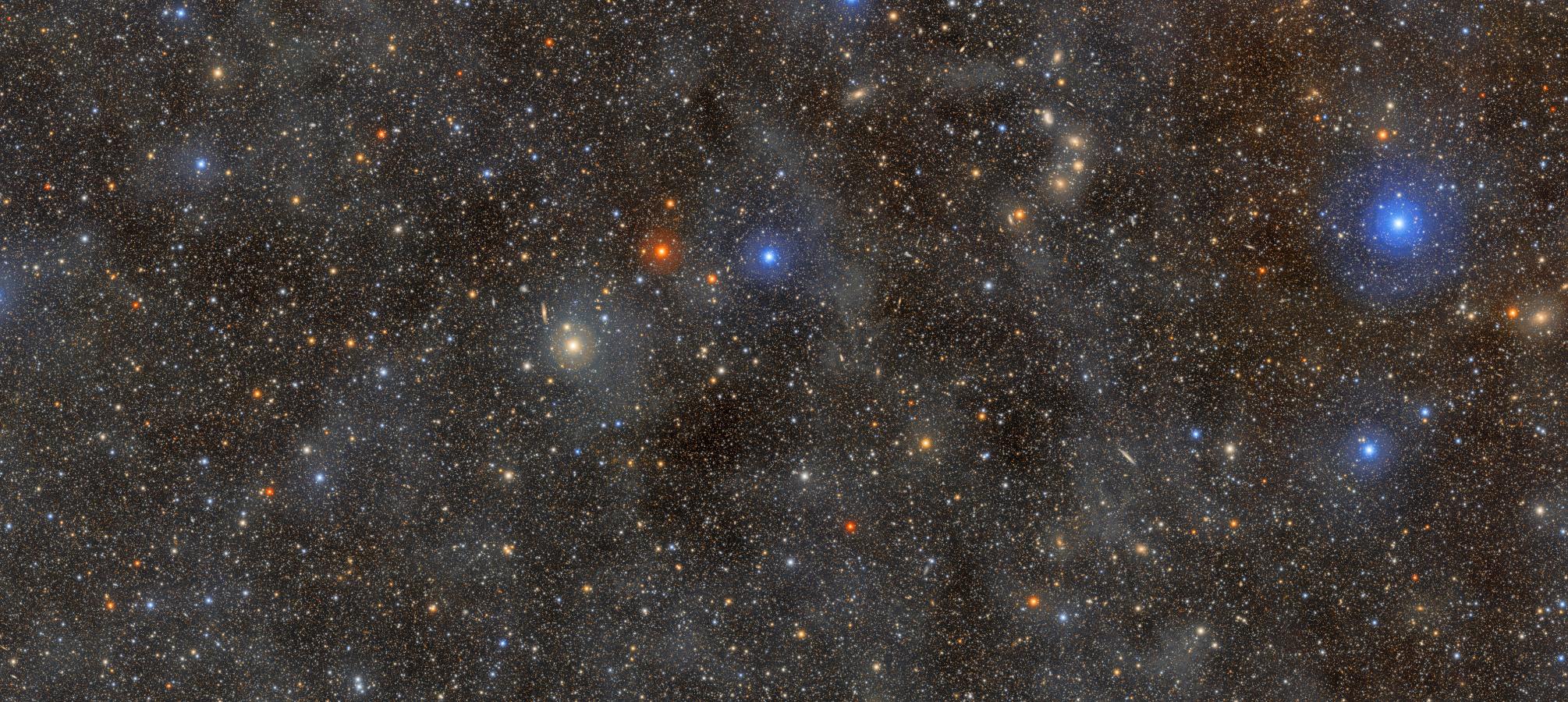
Vera Rubin Observatory Starts Its 10-Year Sky Survey
The world's largest digital camera has begun a decade-long film of the southern sky, imaging it every few nights to catch whatever moves or flares.
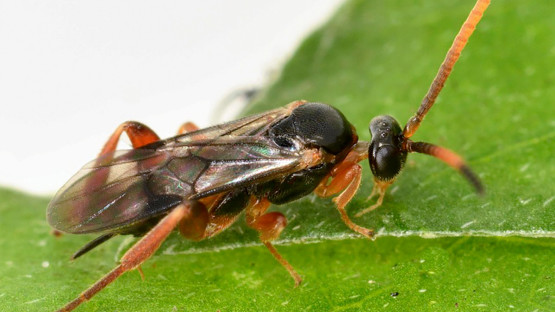
Earth May Hold Up to 20 Million Insect Species, Triple the Old Estimate
Genetic data from 1.6 million tropical insects and a wasp survey in Costa Rica suggest most of the planet's insect life has never been recorded.
How NASA's Wind Tunnels and the ISS Shaped the World Cup Ball
Knuckling shots aren't luck. NASA's wind tunnels and space-station experiments explain how the four-panel Trionda ball swerves through this World Cup.
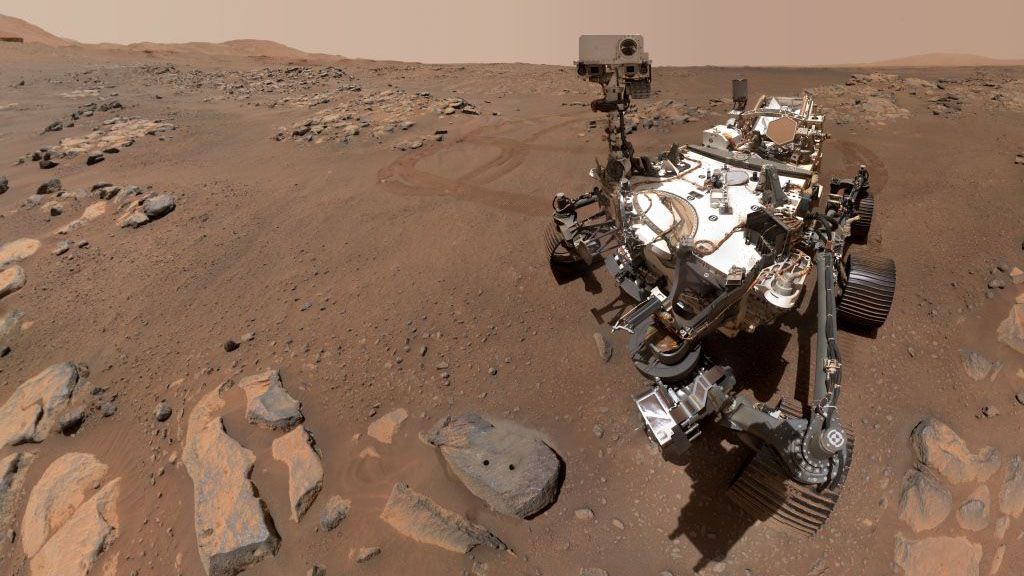
Perseverance Finds Complex Organic Carbon in Martian Mudstone
The rover's laser found large carbon molecules sitting in ancient riverbed rock. What made them, biology or chemistry, is exactly what no one can yet say.
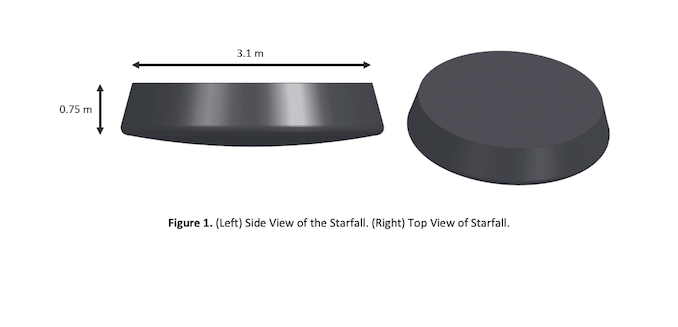
SpaceX Flies Starfall, Its Secretive Orbital Cargo Capsule
A disc-shaped capsule built to bring cargo back from orbit could open a new business for SpaceX: making things in space and landing them on Earth.
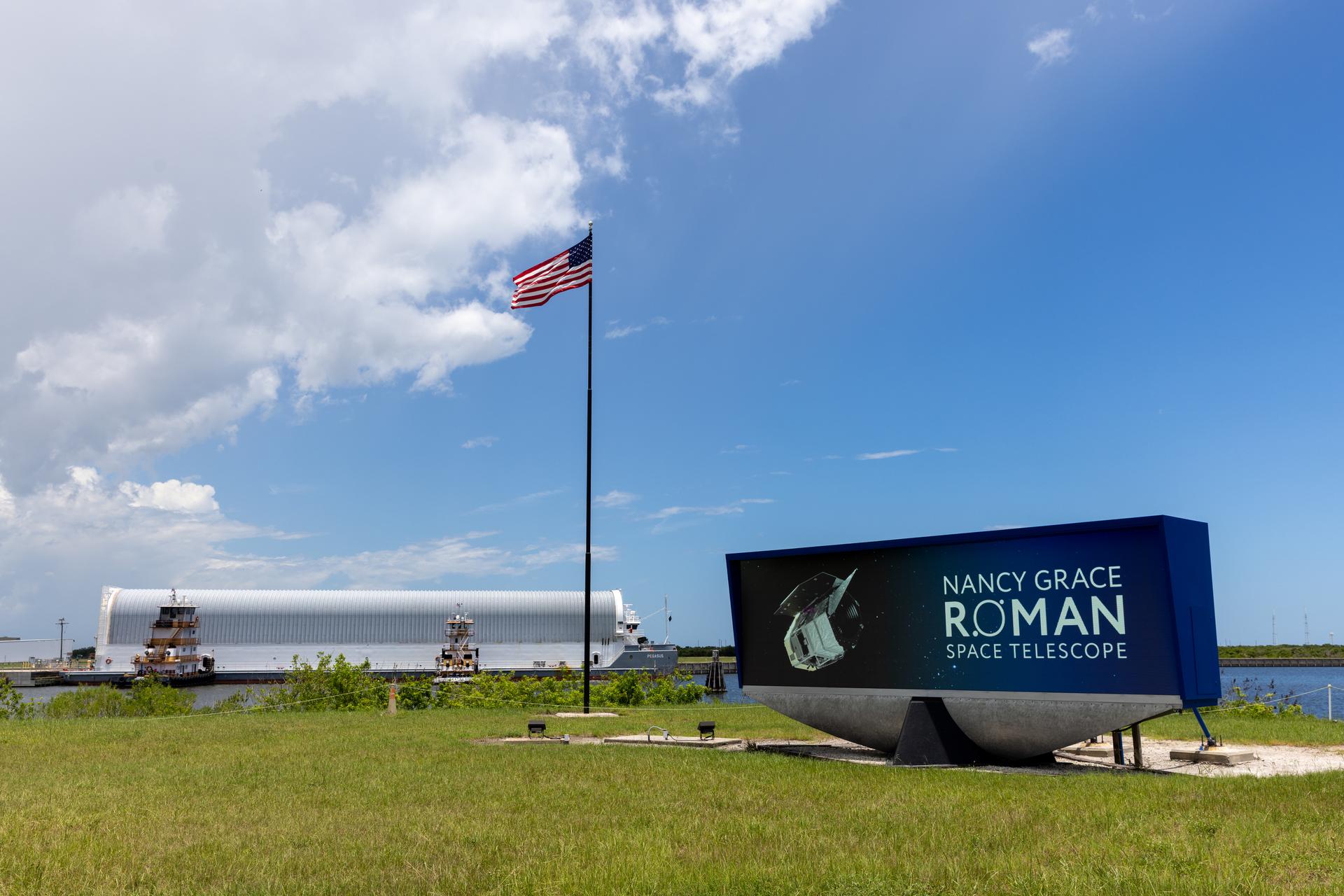
NASA's Roman Space Telescope Reaches Florida for an August Launch
The next great observatory came in by barge, sealed in a case the team calls 'the Chariot,' and ahead of schedule.
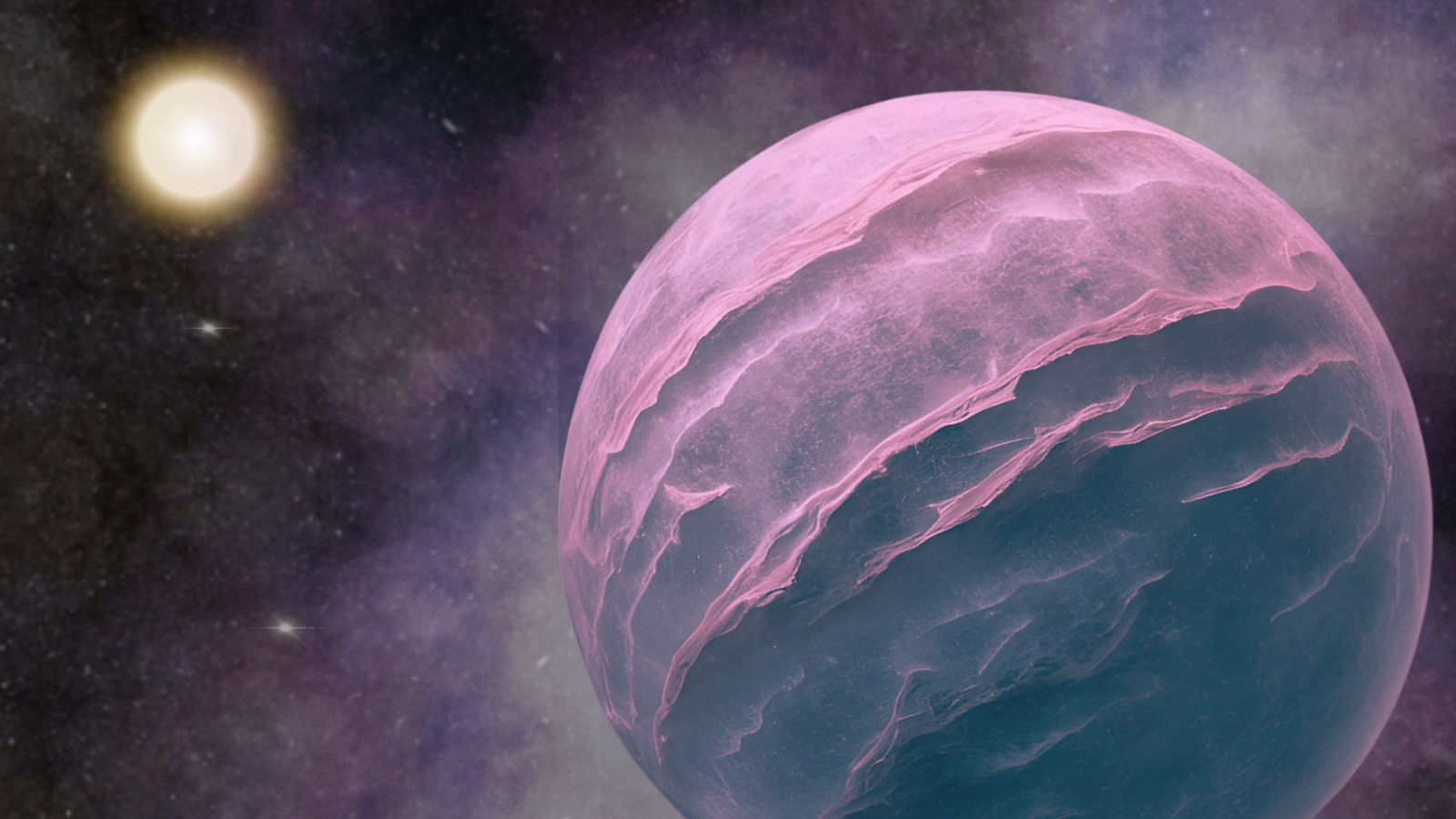
Webb Finds Salt Clouds on the 'Pink Planet' GJ504b
A faint magenta world too dim for ground telescopes turned out to be hiding clouds of salt — and a lesson about how astronomers read alien skies.
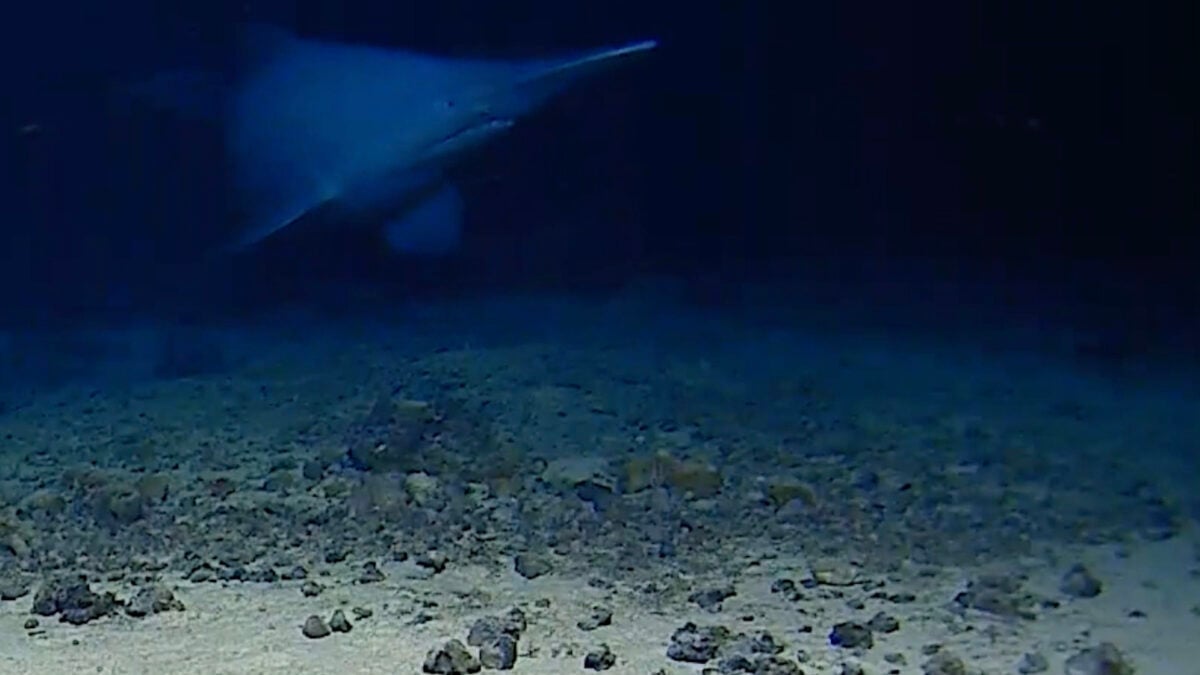
Elusive Goblin Shark Filmed Alive in the Deep Sea for the First Time
Researchers have published the first confirmed footage of a goblin shark alive in its deep-ocean habitat, captured near Jarvis Island and in the Tonga Trench.
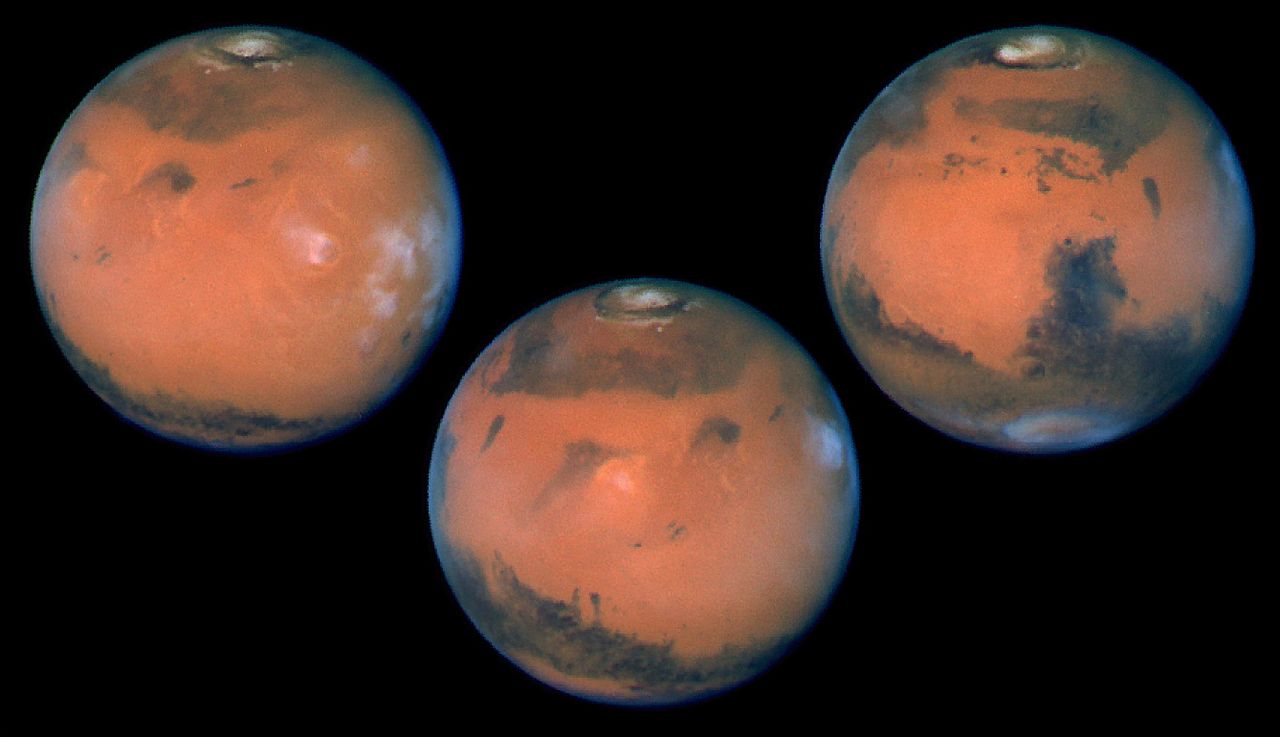
NASA Picks Eric Schmidt's Relativity Space for a Mars Orbiter
The Aeolus orbiter would map Mars's atmosphere daily, but it rides on a rocket Relativity has not yet flown to orbit.

Burnt Bones Hint Humans Used Fire 1.8 Million Years Ago
Charred bones deep inside Wonderwerk Cave, dated up to 1.79 million years old, point to fire carried in and maintained by early humans, likely Homo erectus.

Webb Finds the Strongest Case Yet for 'Black Hole Stars'
Webb's deepest spectrum of a 'little red dot,' GLIMPSE-17775, points to a supermassive black hole cloaked in dense gas, a possible answer to two cosmic puzzles.
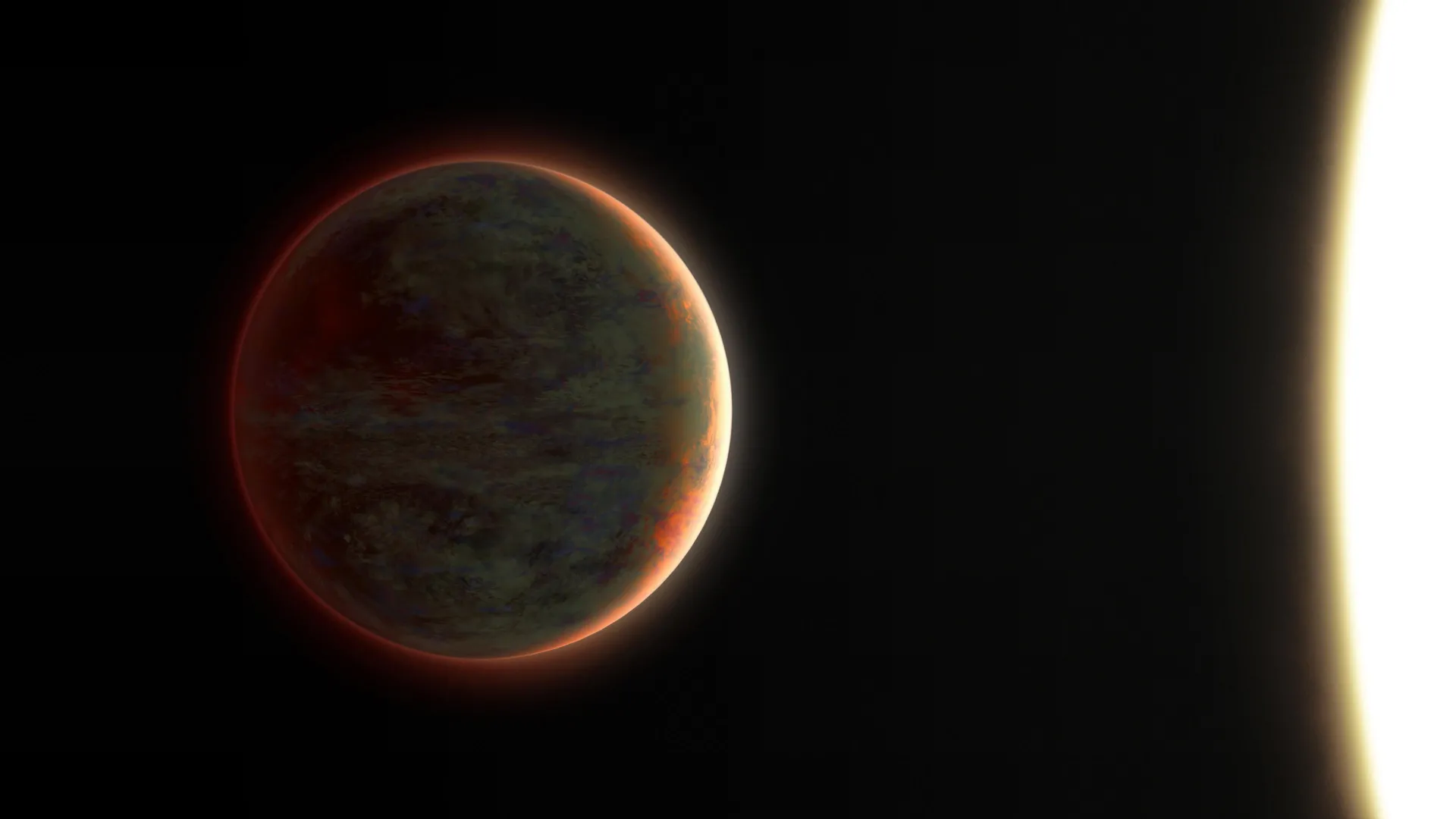
Webb Tells Dawn From Dusk on Scorching Planet WASP-121b
On a tidally locked gas giant, Webb told dawn from dusk, finding the evening edge hotter and the air chemistry different across the planet's two faces.