Science — older stories

Why Subway Trains Screech So Loudly on Tight Curves
Trains can't steer their wheels independently, so tight curves force a stick-slip vibration that turns steel into a very loud, unintentional bell.

Why Lakes 'Turn Over' Twice a Year, Explained
Water's density peaks at 39.2°F, not at freezing. That single anomaly drives the seasonal mixing that keeps a lake's deep water breathing.

Why Submarines Switch to Red Lighting at Night
Red light protects a submarine crew's night vision before a periscope watch. A Coast Guard researcher's blunt 2002 verdict complicates the tidy version of that story.

Why Some Popcorn Kernels Never Pop, Explained
Unpopped "old maids" aren't random. A Purdue food chemist found the difference between a good popper and a dud comes down to moisture and a kernel's cellulose hull.
Why Some Earthquakes Come in Swarms, Not One Big Shock
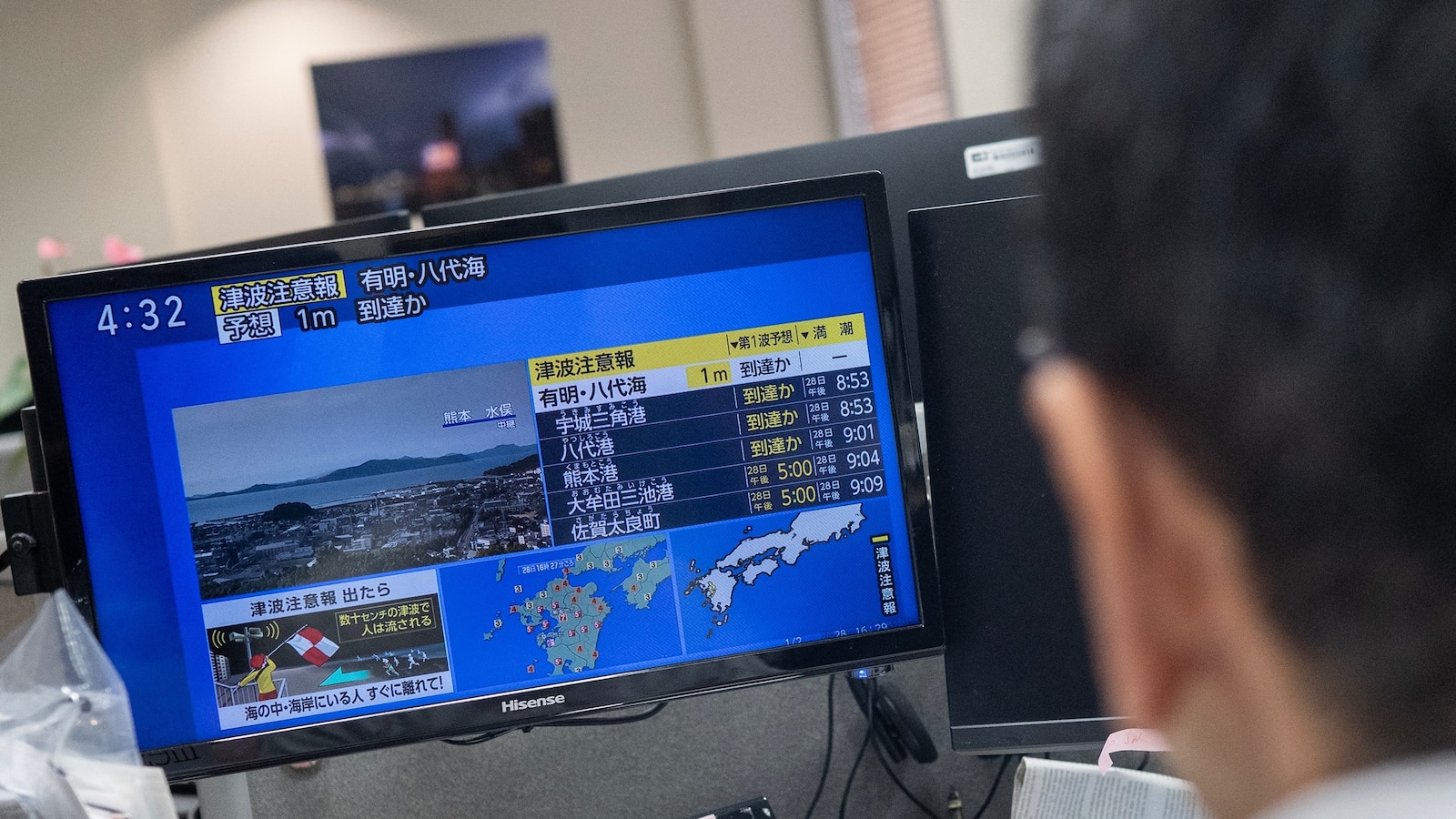
Tuesday's magnitude 7.1 Kumamoto earthquake struck as one sudden jolt, while sequences in the Philippines and the Canary Islands unfolded as sprawling swarms. The difference comes down to fluid, not fault size.

Why Some Plants Close Their Leaves Every Night
Plants that fold their leaves at night aren't wilting or sleeping — they're running an evolved, energy-spending routine called nyctinasty.
The Schumann Resonance, Explained: Real Physics Behind a Wellness Myth
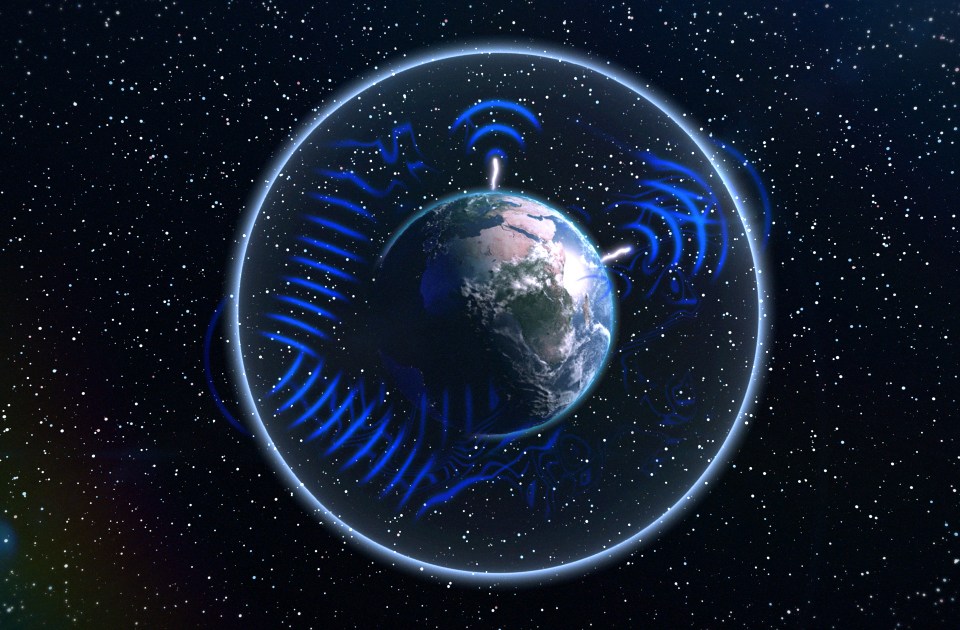
The Schumann resonance is a real electromagnetic hum circling the planet, discovered in 1952 and confirmed in 1960. Here's the physics, and why the wellness claims built on it don't hold up.
Has the Kessler Syndrome Already Started? Experts Are Split
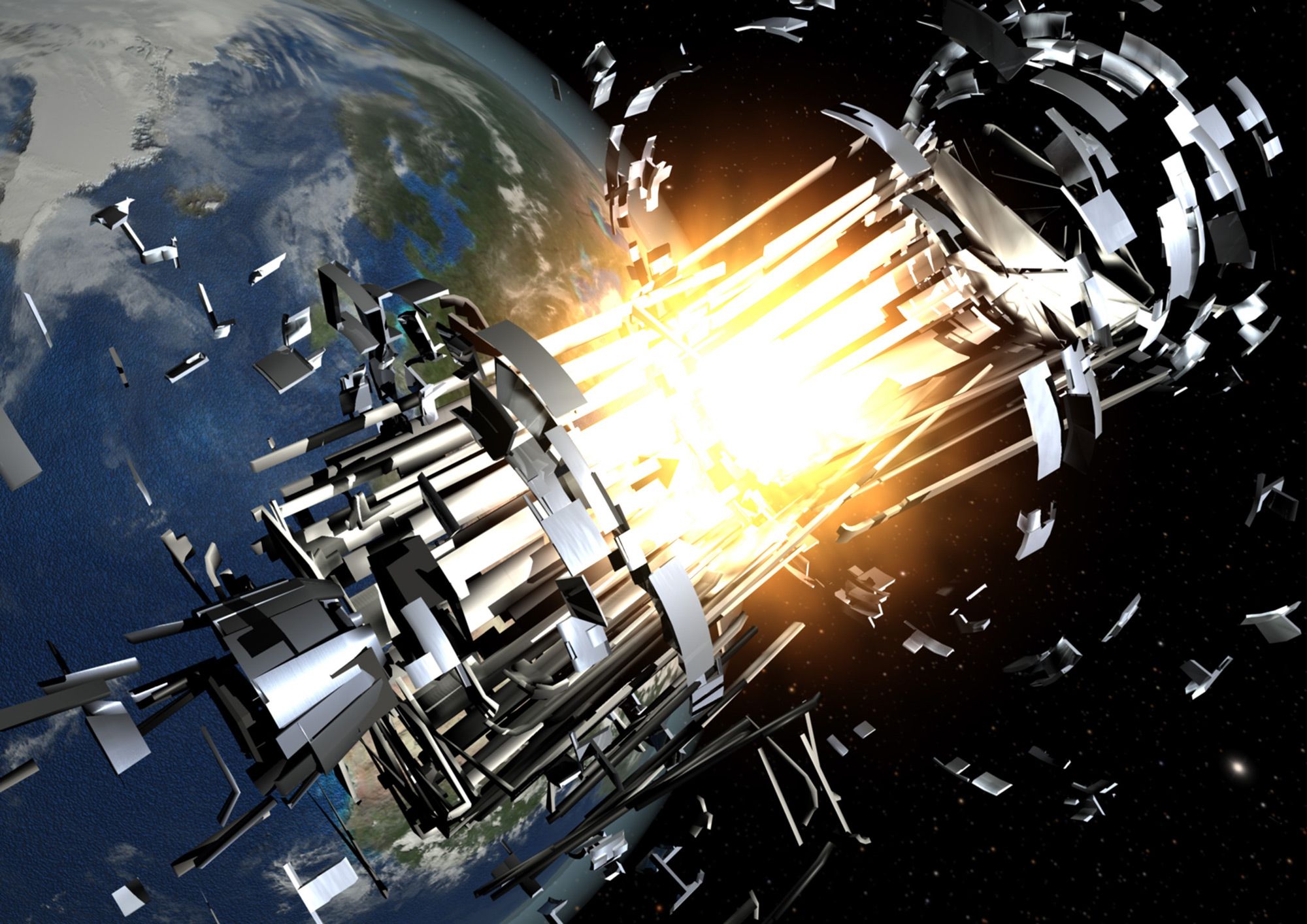
NASA, ESA, MIT and University of Arizona scientists agree the space-debris cascade is plausible. They do not agree on whether it has already begun, or how bad it gets from here.

The CRASH Clock, Explained: How Close Satellites Really Are to Disaster
A new metric called the CRASH Clock measures how many days it would take for a first satellite collision in low Earth orbit if all maneuvering stopped, and its authors just revised the number sharply downward.

Why Bar Soap Doesn't Have an Expiration Date
A bar of soap left untouched for years still lathers fine. That's partly chemistry — and partly a quirk of FDA regulation that exempts true soap from the rules covering cosmetics and drugs.

The Coriolis Toilet Myth: What Really Makes the Water Spin
Toilets don't flush counterclockwise in one hemisphere and clockwise in the other. What actually decides the swirl is jet angle and bowl geometry, not planetary rotation.

Why Thunder Cracks Up Close but Rumbles From Far Away
A single lightning bolt can sound like a sharp crack in one spot and a rolling rumble a few miles away, and the split comes down to how far its miles-long channel is from your ear.
Solar Cycle 25 Is Fading. The Auroras Might Not Be Yet
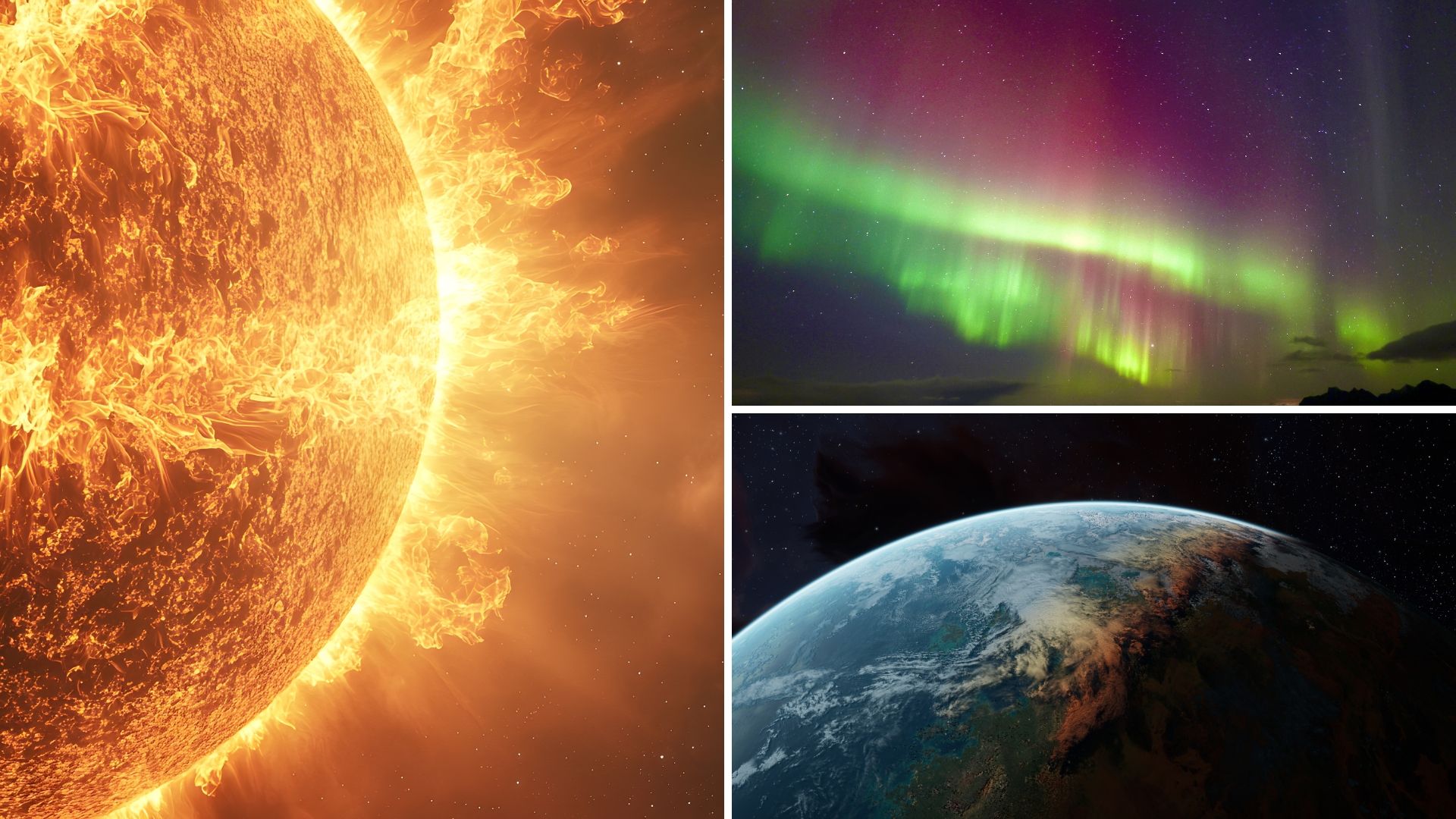
Solar Cycle 25 hit its peak in October 2024, but the history of two previous cycles suggests the biggest flares — and the biggest light shows — can still be ahead in 2026.

Magnetic North vs. True North: Why Your Compass Lies
Your compass isn't pointing at the North Pole. It's pointing at a wandering magnetic point currently 1,200 miles away and drifting toward Siberia.
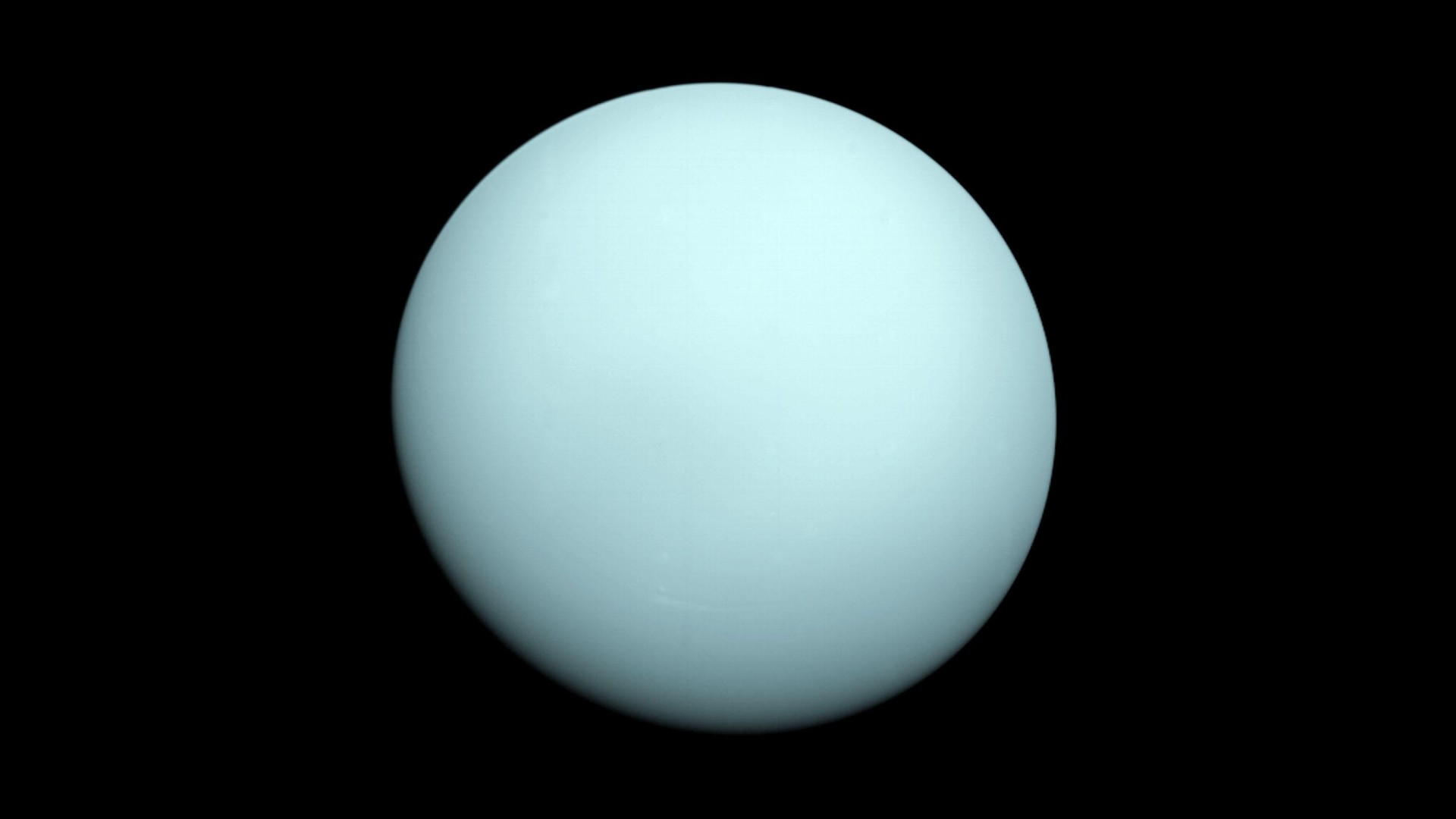
Why Uranus Tilts on Its Side, and a New Theory Why
Uranus is the only planet that spins on its side. The classic explanation is a violent collision, but a newer theory blames a moon that slowly tilted the planet, then destroyed itself.
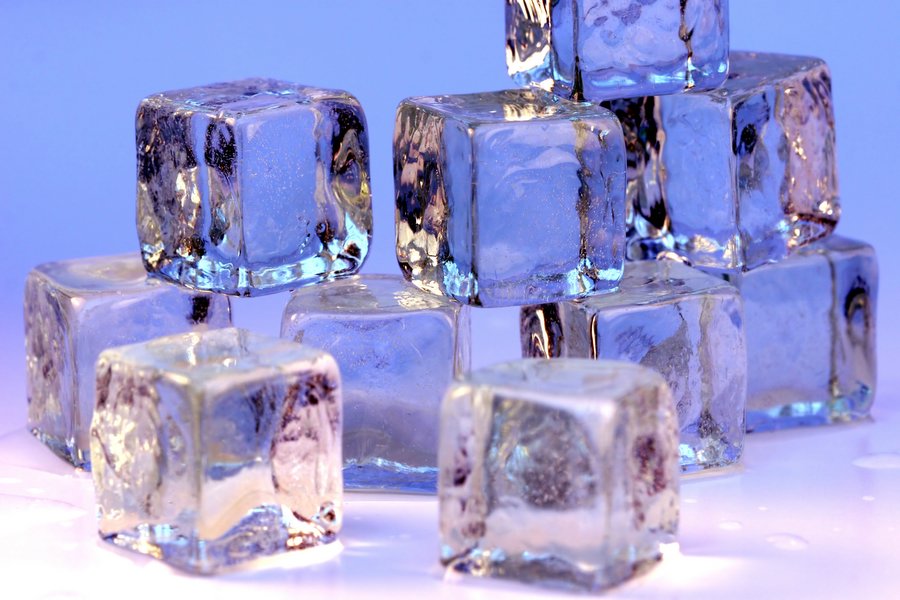
The Mpemba Effect: Why Hot Water Sometimes Beats Cold to Freeze
For 60 years physicists couldn't agree whether hot water really freezes faster than cold. A 2025 study finally explains why the effect is real, and why it's mostly chance.
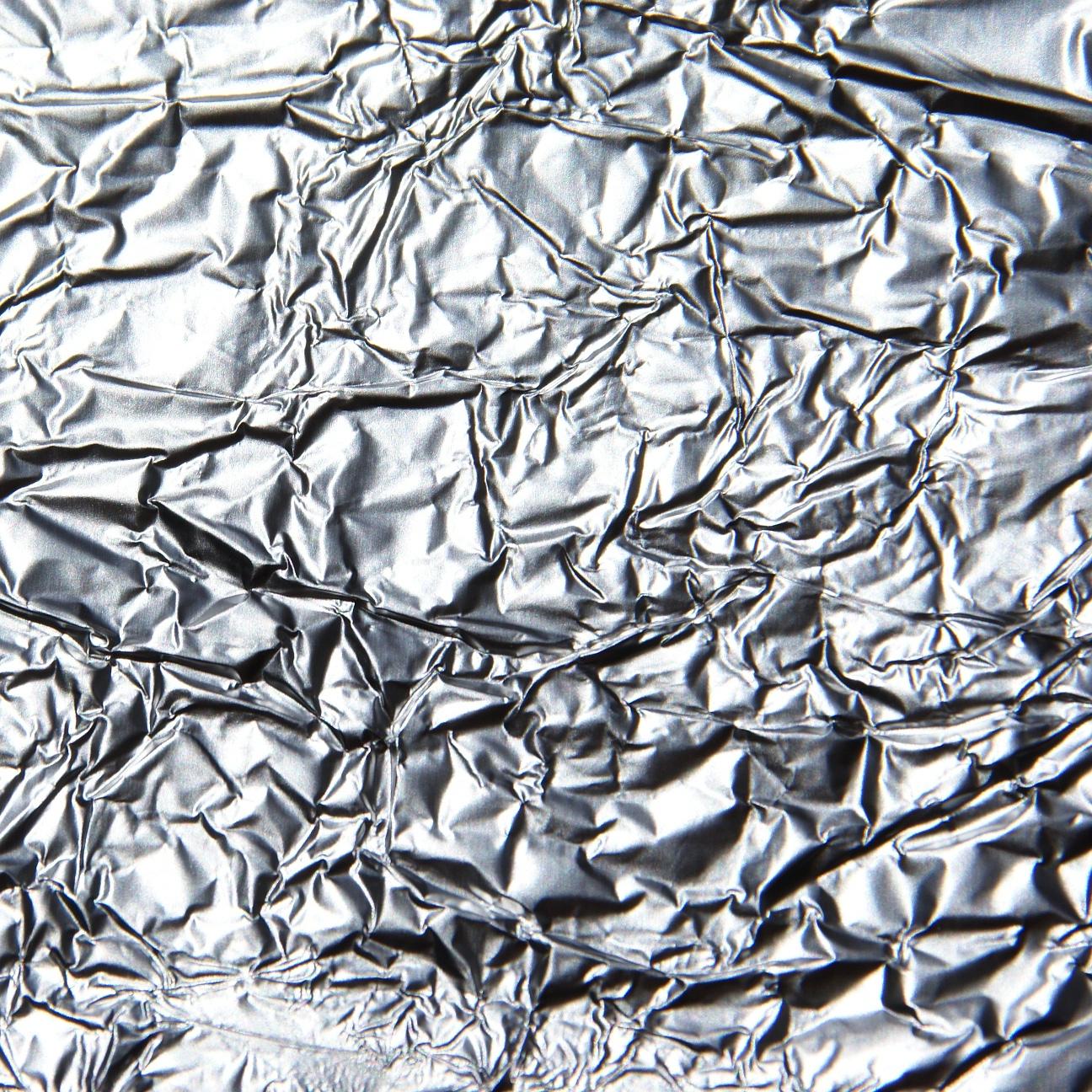
Why Aluminum Foil Has a Shiny Side and a Dull Side
The shiny and dull sides of aluminum foil come from a manufacturing quirk, not a cooking rule — and lab tests show almost no difference between them.
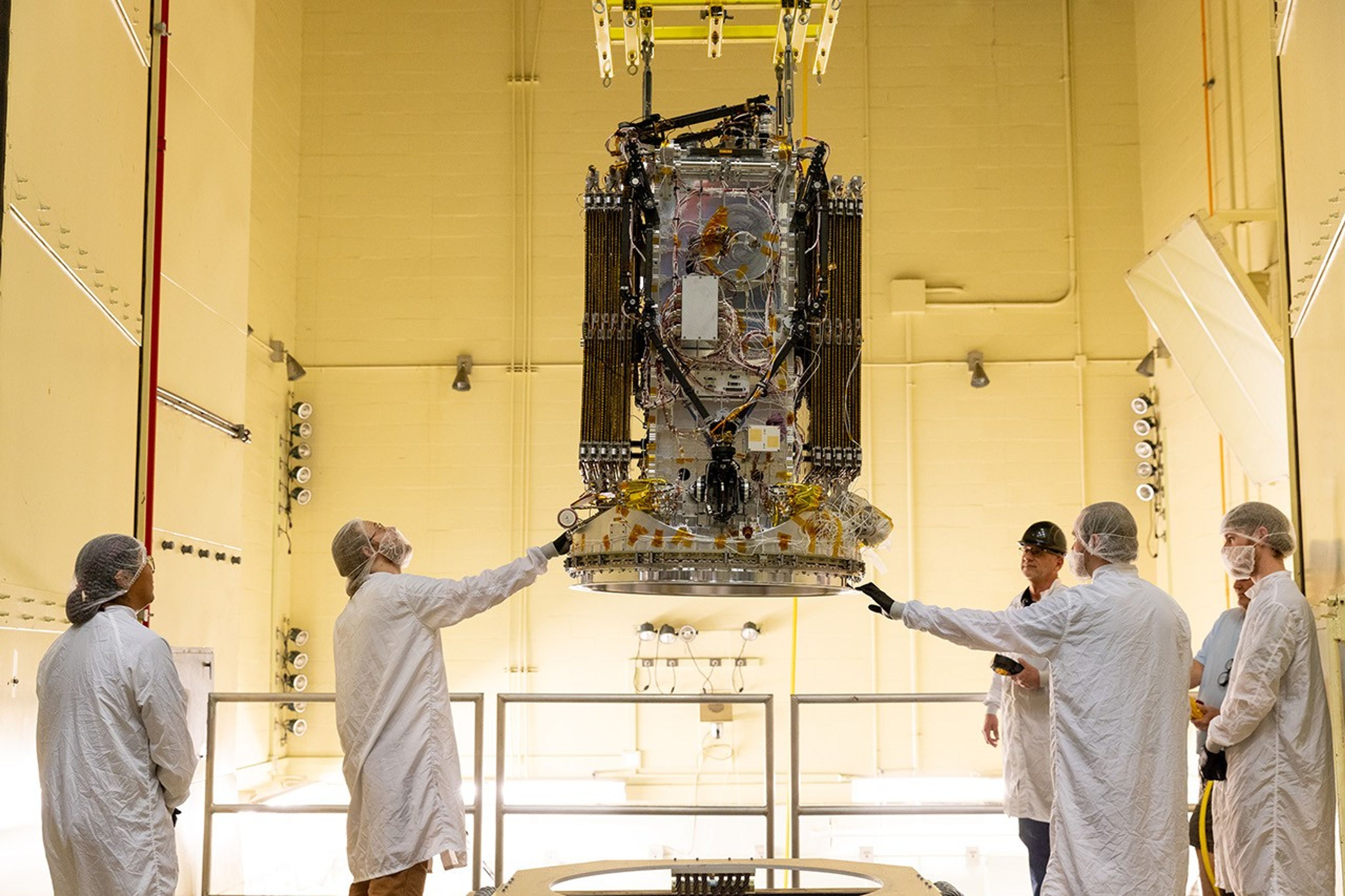
Why Satellites Fall From Orbit — and NASA's Race to Save One
A commercial spacecraft is trying to catch a falling NASA telescope before it burns up -- a real-time lesson in why nothing stays in orbit forever.

Why Thunder Sometimes Cracks and Other Times Just Rumbles
A lightning bolt makes one discharge. What you hear afterward depends entirely on how far away you're standing when the sound arrives.

Why Does Your Voice Sound Different in Recordings?
The voice you hear in your head and the one everyone else hears aren't the same signal, and the difference comes down to a wiring quirk in your skull.