Daniel Okafor — older stories

Why Club Soda Goes Flat Faster Than Sparkling Water
Club soda and sparkling water start with identical carbonation, but one goes flat first because of what else is dissolved in it.
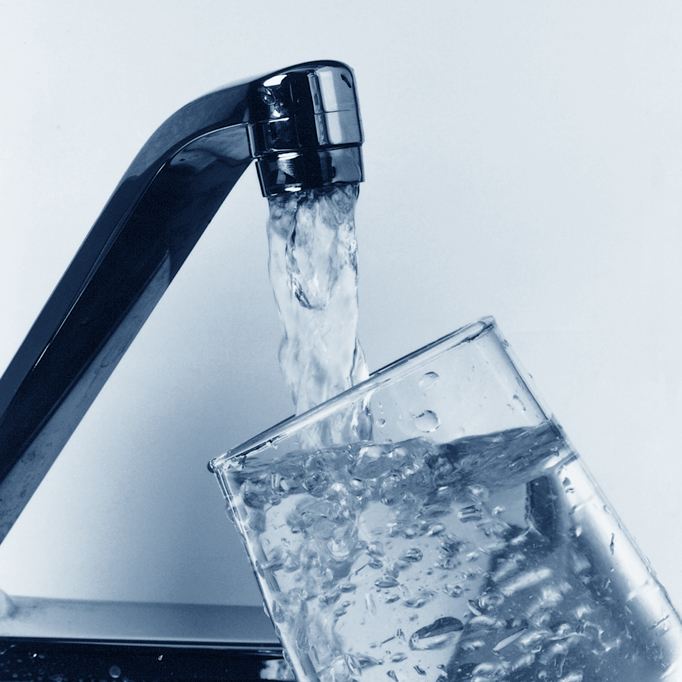
Why Tap Water Tastes Different From One City to the Next
Two glasses of tap water from two different cities aren't the same water. Source rock, disinfectant choice, and plumbing all leave a taste behind.

Mars Is Hundreds of Degrees Hotter on One Side, Study Finds
Mars looks lopsided on the surface — mountains in the south, flat plains in the north. New research shows the asymmetry runs all the way to its molten heart.
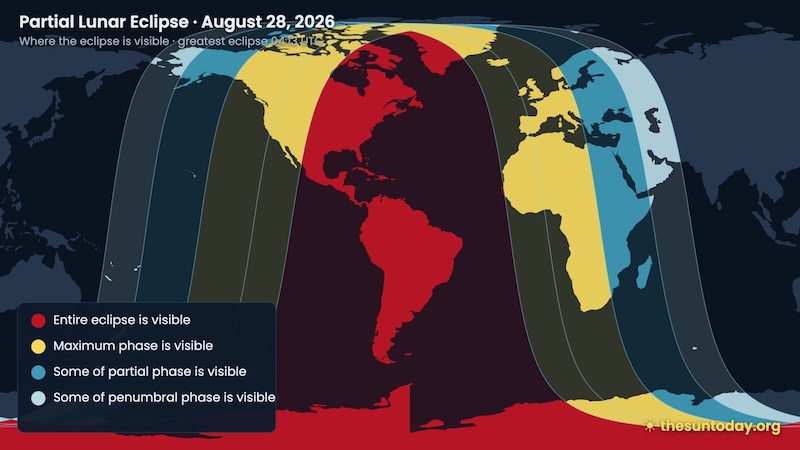
Why Tonight's Near-Total Lunar Eclipse Isn't a Monthly Event
Tonight's deep lunar eclipse won't repeat next month, or even next year. Here's the orbital mechanics behind why eclipses arrive in pairs, twice a year, and no more.

Why Your Printer Drains Ink Even When You Haven't Printed Anything
Inkjet printers periodically flush ink through their nozzles to stop them clogging — sending it straight into a hidden waste pad, whether or not you've printed a page.

Why a Damaged QR Code Still Scans
A coffee stain or a peeling sticker shouldn't kill a QR code, and usually it doesn't. Here's the redundant-data trick, borrowed from deep-space communication, that keeps damaged codes readable.
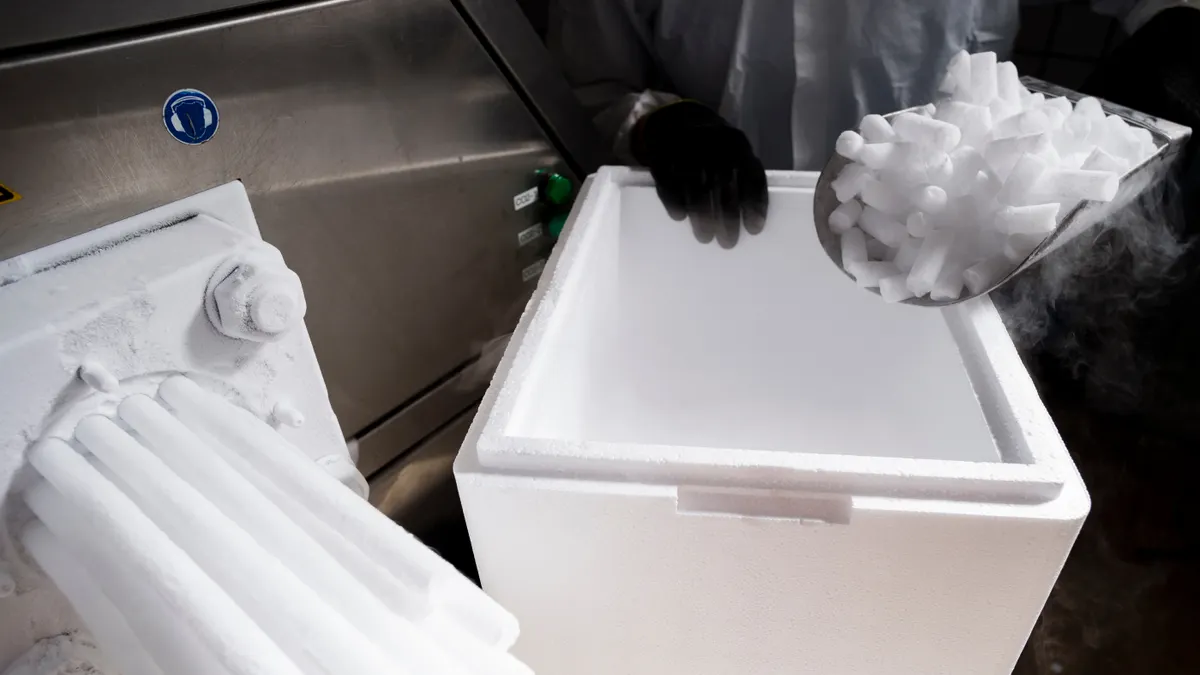
Why Dry Ice Never Melts, and Why It's Getting Scarcer
Dry ice skips the liquid phase entirely because of basic physics — and a widening CO2 supply gap is turning that same physics into a shipping headache.
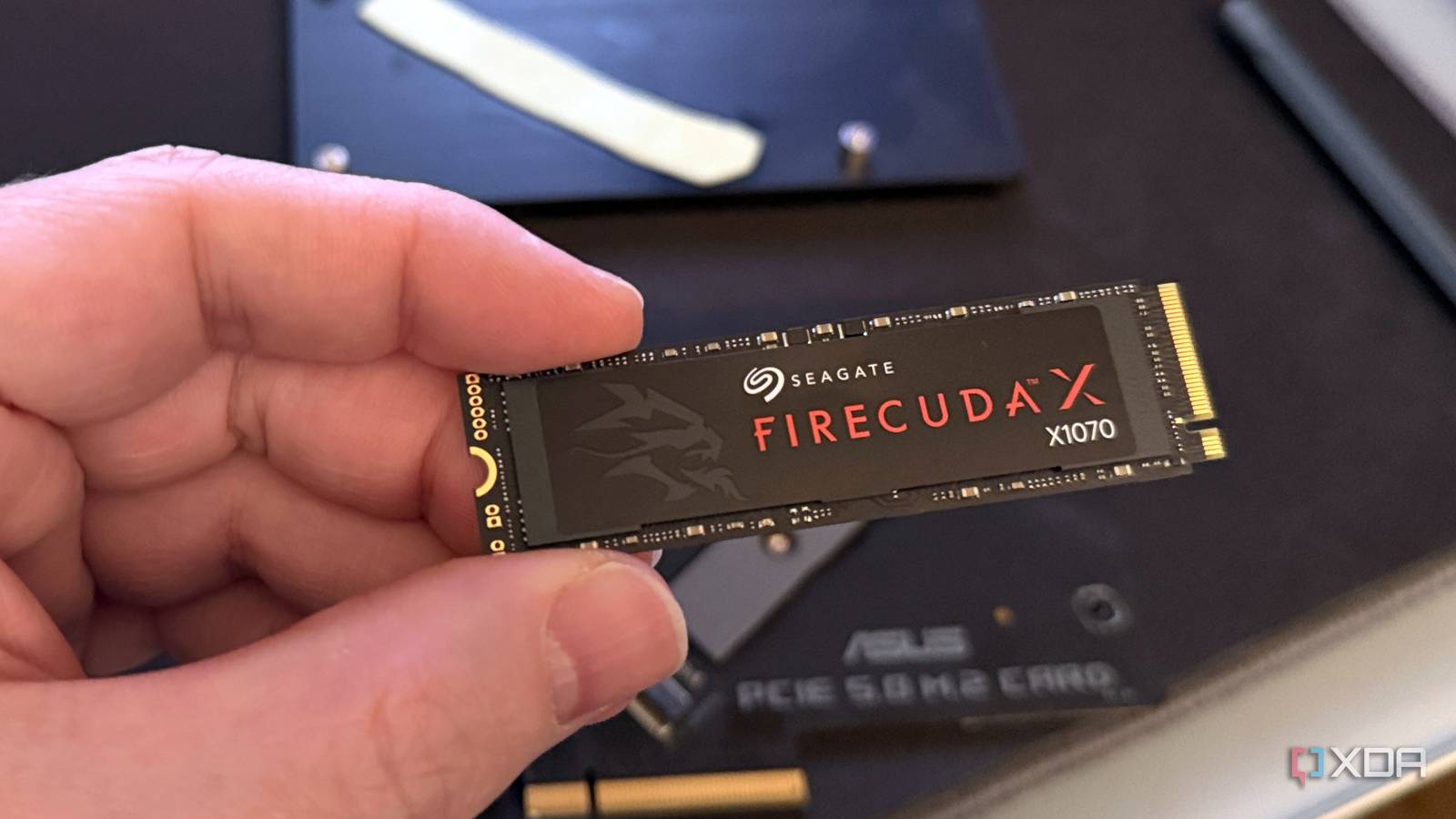
Why Your 'Slow' SSD Is Probably Just Full, Not Old
SSDs need free blocks to write fast. The real reason a drive suddenly feels slow is almost always capacity, not calendar age.

Why Your Smoke Detector Keeps Chirping, Even With a New Battery
Swapping the battery is supposed to end the chirping. When it doesn't, the real cause is almost always one of four things, and a dead battery usually isn't one of them.

Why Batteries Swell Before They Fail
Deep discharge, heat and a bad charger all break down a battery's electrolyte into trapped gas. Here's the actual chemistry, the real fire risk it creates, and how to stop it in a device sitting in a drawer.

Why Cat Pupils Are Vertical Slits and Dogs' Are Round
A Berkeley vision scientist studied 214 land animals and found pupil shape isn't random. It's optics, tuned to whether an animal ambushes, grazes, or chases.

Who's Liable When Your Self-Driving Uber Crashes?
Waymo just told Uber it's building its own app for Austin and Atlanta. Behind the split is a messier question riders rarely think about: who pays when the car with no driver hits something.
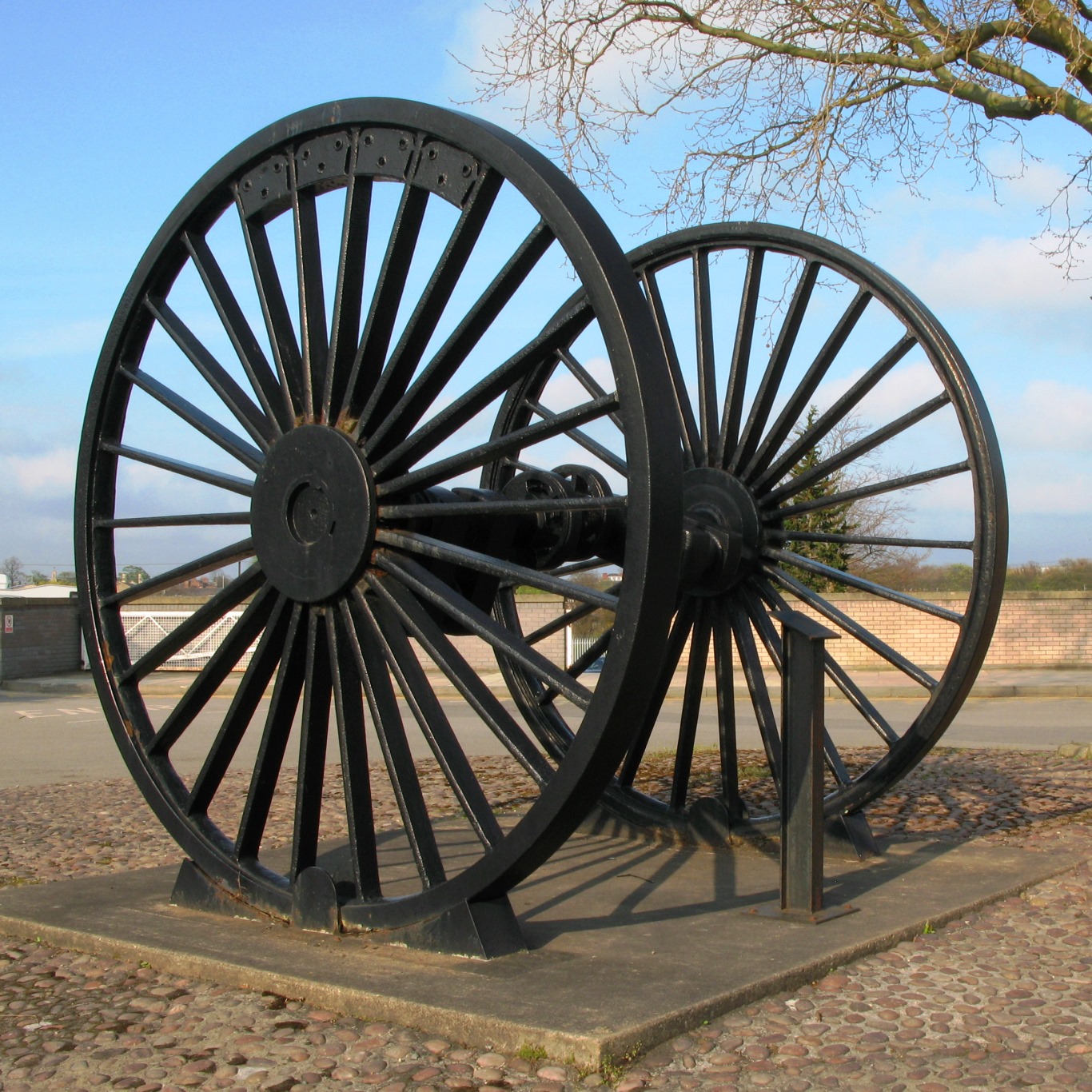
Why Train Wheels Never Need to Steer
No one steers a train around a curve. A 19th-century trick of geometry, the conical wheel, does that job instead, and railroads are still refining it.

Why Worker Bees Die When They Sting but Queens Don't
One insect, two very different stingers. The barb is why a worker honeybee dies after a single sting, and why the queen never does.
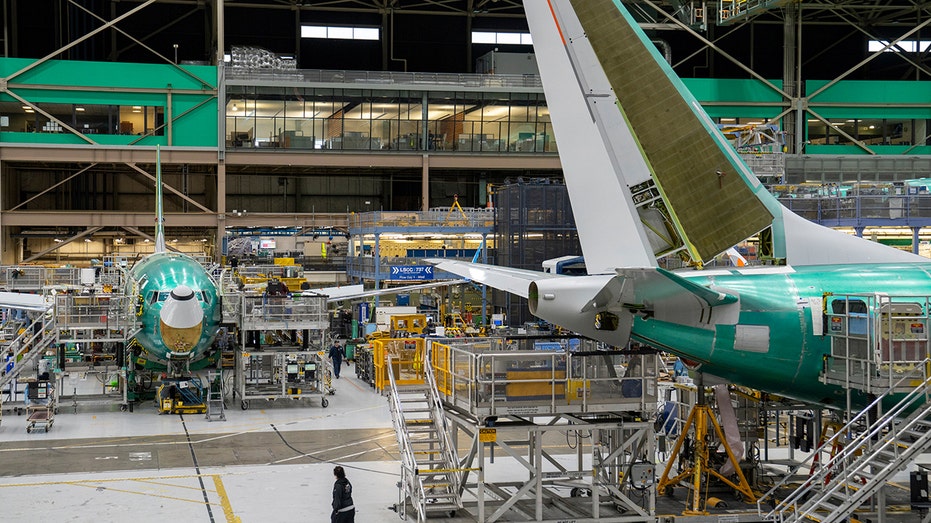
What the FAA's New 737 MAX Crack Order Actually Requires
An FAA order to inspect 471 Boeing 737 MAX jets sounds alarming. The mechanism behind it, and why no cracks have actually turned up on the model, explains why airlines aren't changing their schedules.
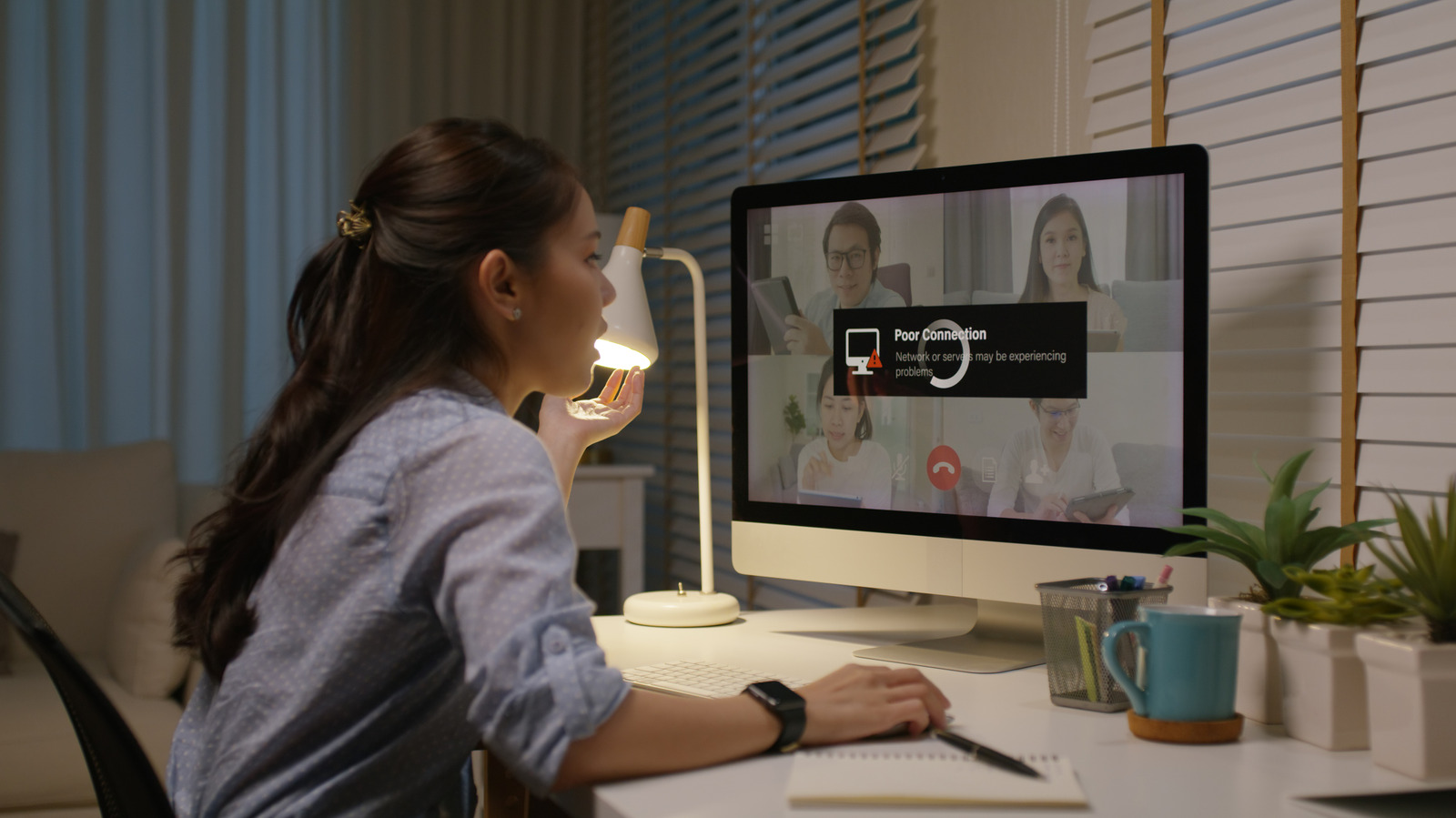
Why Your Microwave Can Take Down the Wi-Fi
Microwave ovens and Wi-Fi routers share almost the same frequency, and one of them is about 35,000 times more powerful than the other.
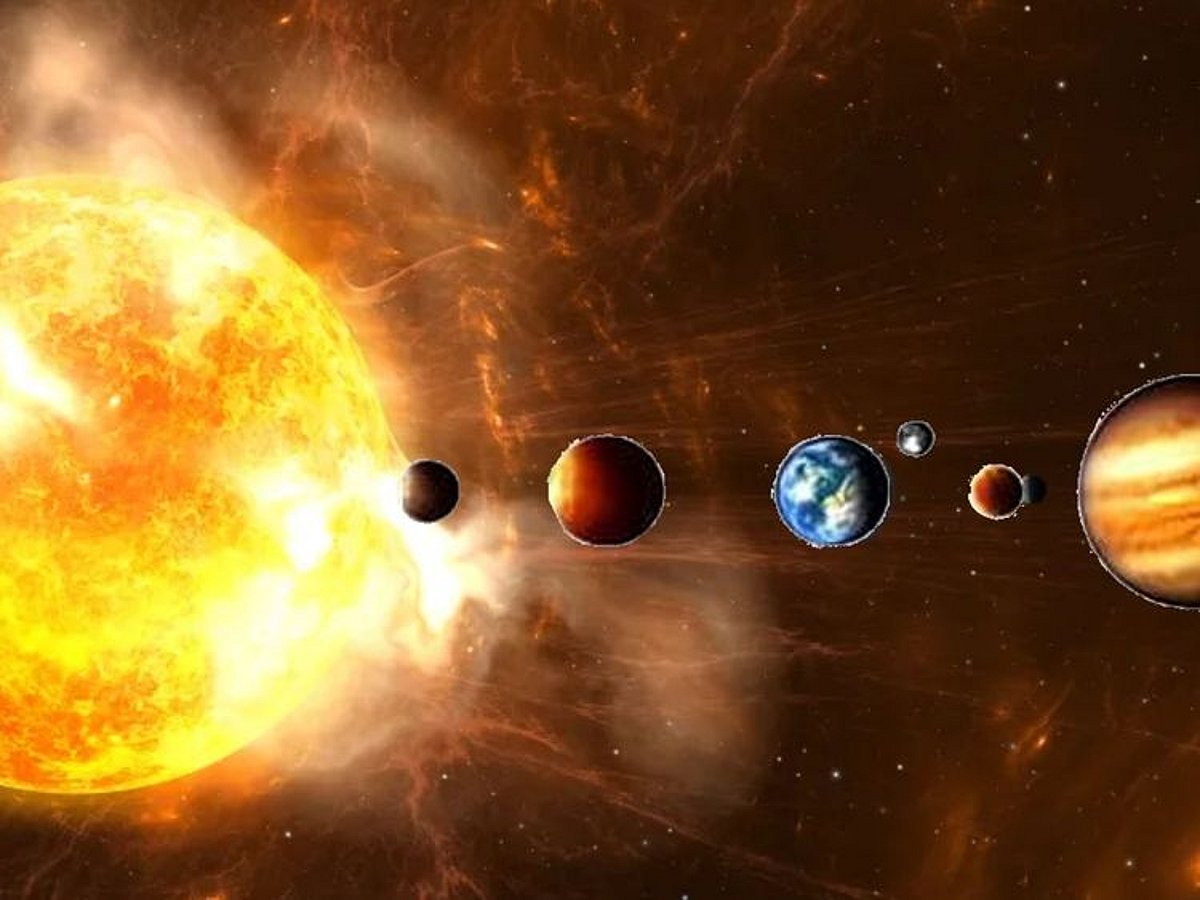
Why Solar Storms Can Throw Your GPS Off by Yards
A burst of radiation from the sun can scramble the atmosphere GPS signals pass through — in 2024, it sent tractors and ships drifting off course.

Why Subway Trains Screech So Loudly on Tight Curves
Trains can't steer their wheels independently, so tight curves force a stick-slip vibration that turns steel into a very loud, unintentional bell.

Why Lakes 'Turn Over' Twice a Year, Explained
Water's density peaks at 39.2°F, not at freezing. That single anomaly drives the seasonal mixing that keeps a lake's deep water breathing.

Why Your Printer Needs Color Ink to Print in Black and White
Your black-and-white document didn't need cyan, but your printer used it anyway, and in some models an empty color cartridge stops every print job cold.