Archive: September 2026
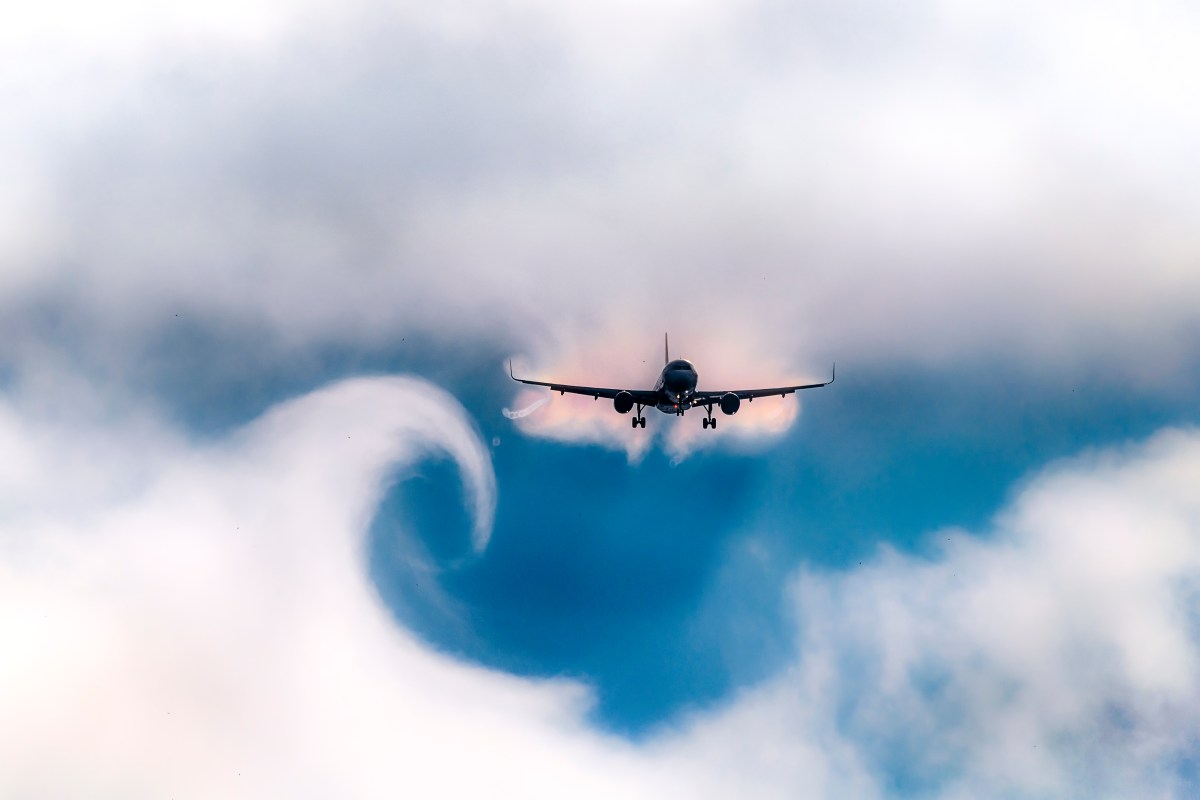
Why Turbulence Gets Worse on Winter Flights
Winter turbulence isn't a myth: clear-air turbulence has intensified 41% since 1971, and the jet stream's widest temperature swings happen in the cold months.
Why the Social Security COLA Is Announced in October
Social Security's 2027 raise won't be announced until Oct. 14 — not because of red tape, but because the law requires inflation data that doesn't exist yet.

Why Pumpkin Spice Season Starts in August, Not Fall
Yelp searches for pumpkin spice lattes are up 301% this year, and Starbucks moved its launch to Aug. 25. Here's why the industry keeps starting fall earlier.
Why the World Series Always Lands in Late October
The 2026 World Series opens Oct. 23 and could run to Halloween night. Five decades of playoff expansion explain why the Fall Classic keeps landing later on the calendar.

The Space Station Is Always Falling. Here's What Keeps It Up.
The International Space Station loses altitude every day to atmospheric drag. Regular reboosts, some lasting just five minutes, are the only thing keeping it up.
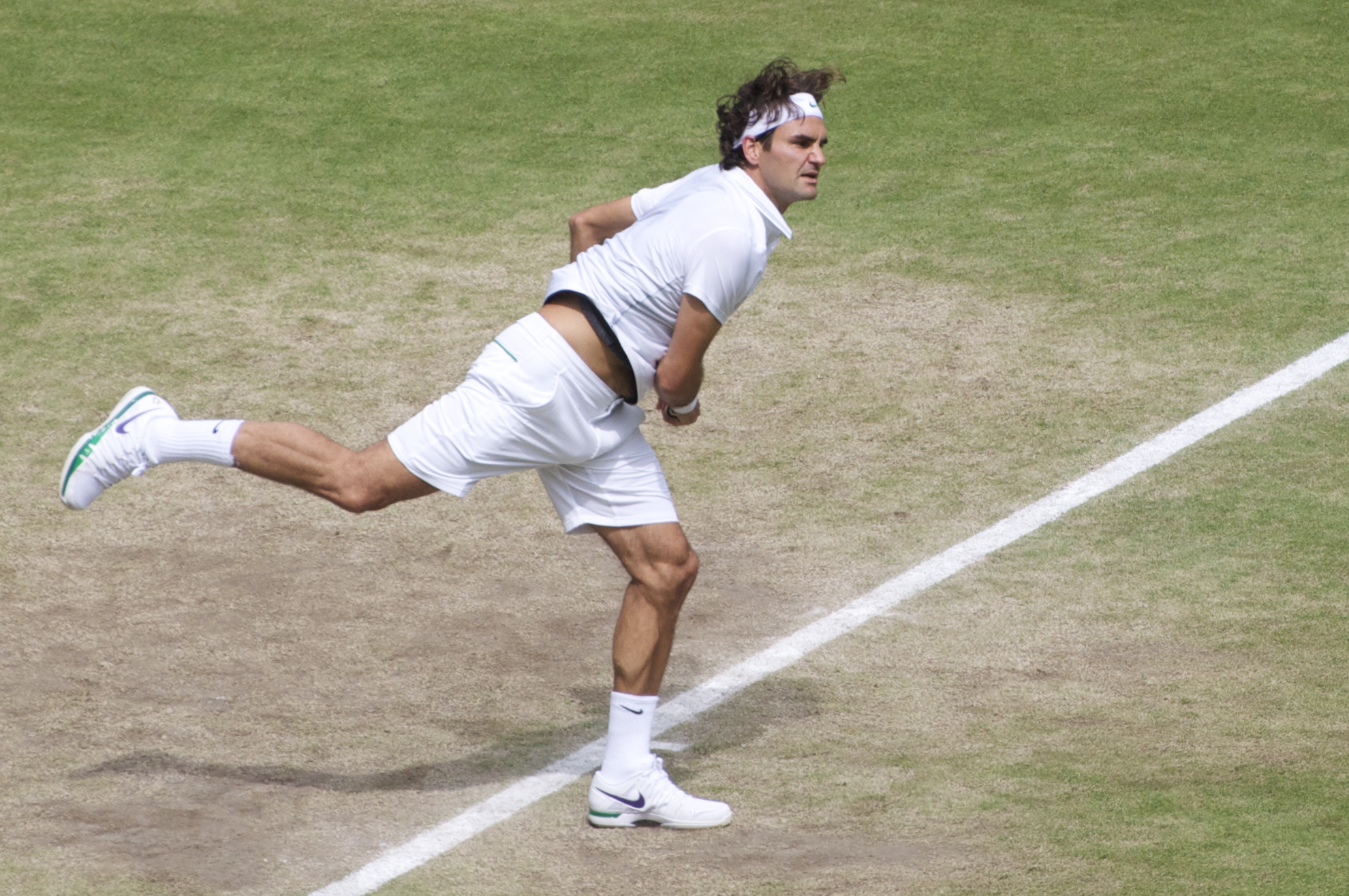
Tennis Has a Rule for When the Net Gets in the Way
A serve that clips the net cord isn't a fault, it's a let, and the point gets replayed. Here's where the rule comes from, and why it nearly got scrapped.

The Nine Countries That Can't Agree on One Capital City
Nine countries currently run on two or more capital cities. The reasons range from a 19th-century civil war to a government that simply got too crowded.
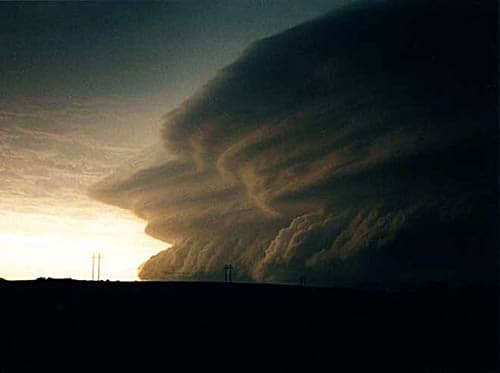
Derecho or Tornado? The Wind Pattern That Tells You Which
A derecho and a tornado can look equally destructive, but only one of them spins. Here's the wind pattern, and the wind-speed math, that tells them apart.
.jpg)
Why Your Shoe Size Is a Different Number Abroad
Buy the same sneakers in three countries and you'll get three different numbers on the box. None of them are wrong. The systems just never agreed to merge.

Why Movie Credits List a Completion Bond Company
Most people scroll past it without a second thought. For the producer, it's often the only reason investors agreed to fund the movie at all.

Why Some Countries Require a 13th Month of Pay by Law
In Manila the bonus is guaranteed by a 1975 law. In Memphis, it's whatever the employer feels like giving. Here's why the gap exists.

Why Some Federal Agencies Never Close During a Shutdown
A government shutdown doesn't switch off the federal government. It switches off only the parts Congress funds one year at a time.
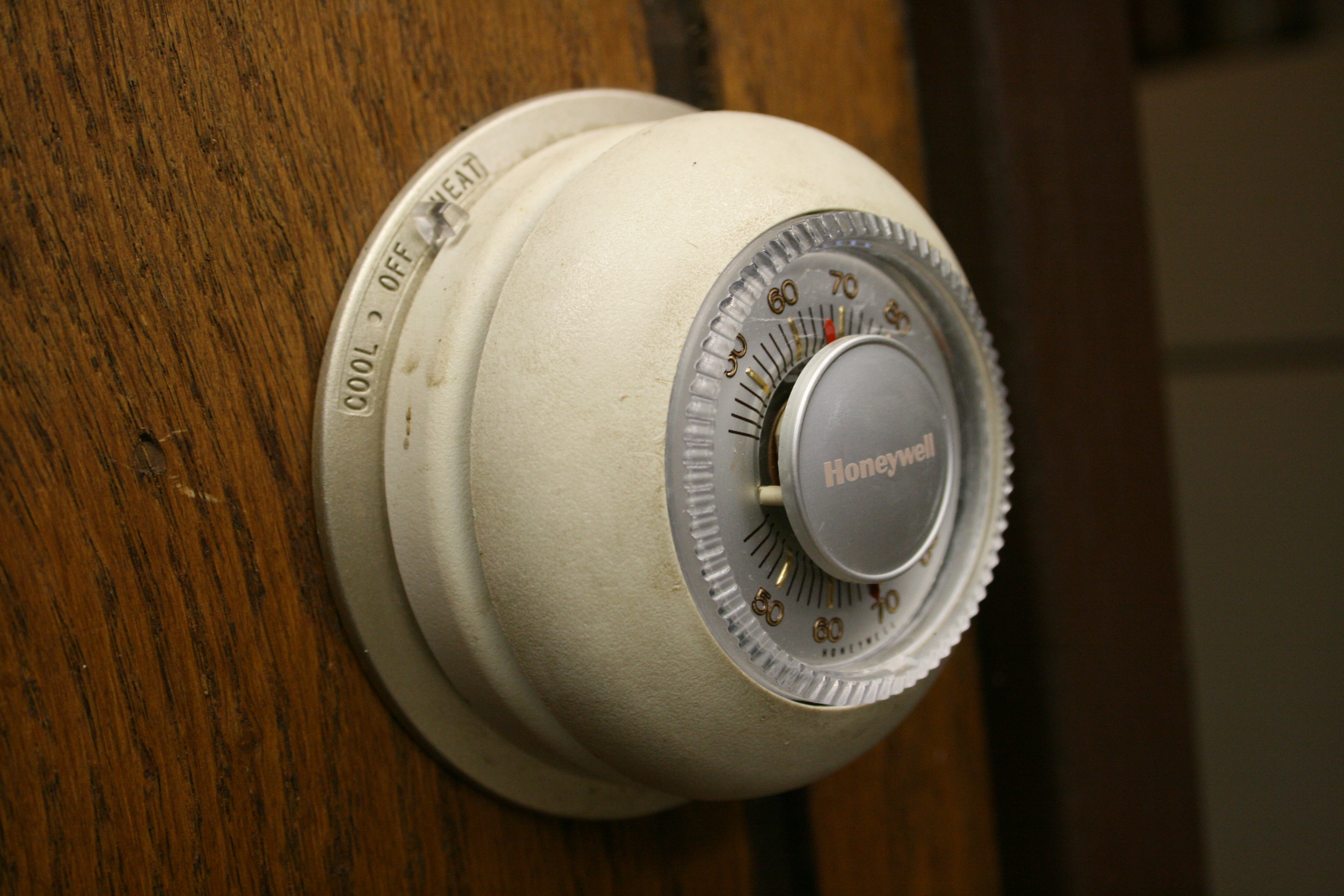
Why No Office Thermostat Setting Ever Satisfies Everyone
The fight over the office thermostat has a real physiological and historical explanation, and it isn't just personal pickiness.

Why Airplane Cabin Air Is Drier Than the Sahara Desert
Cruising-altitude air holds almost no moisture to begin with, and the engineering that makes a cabin breathable squeezes out most of what little is left.
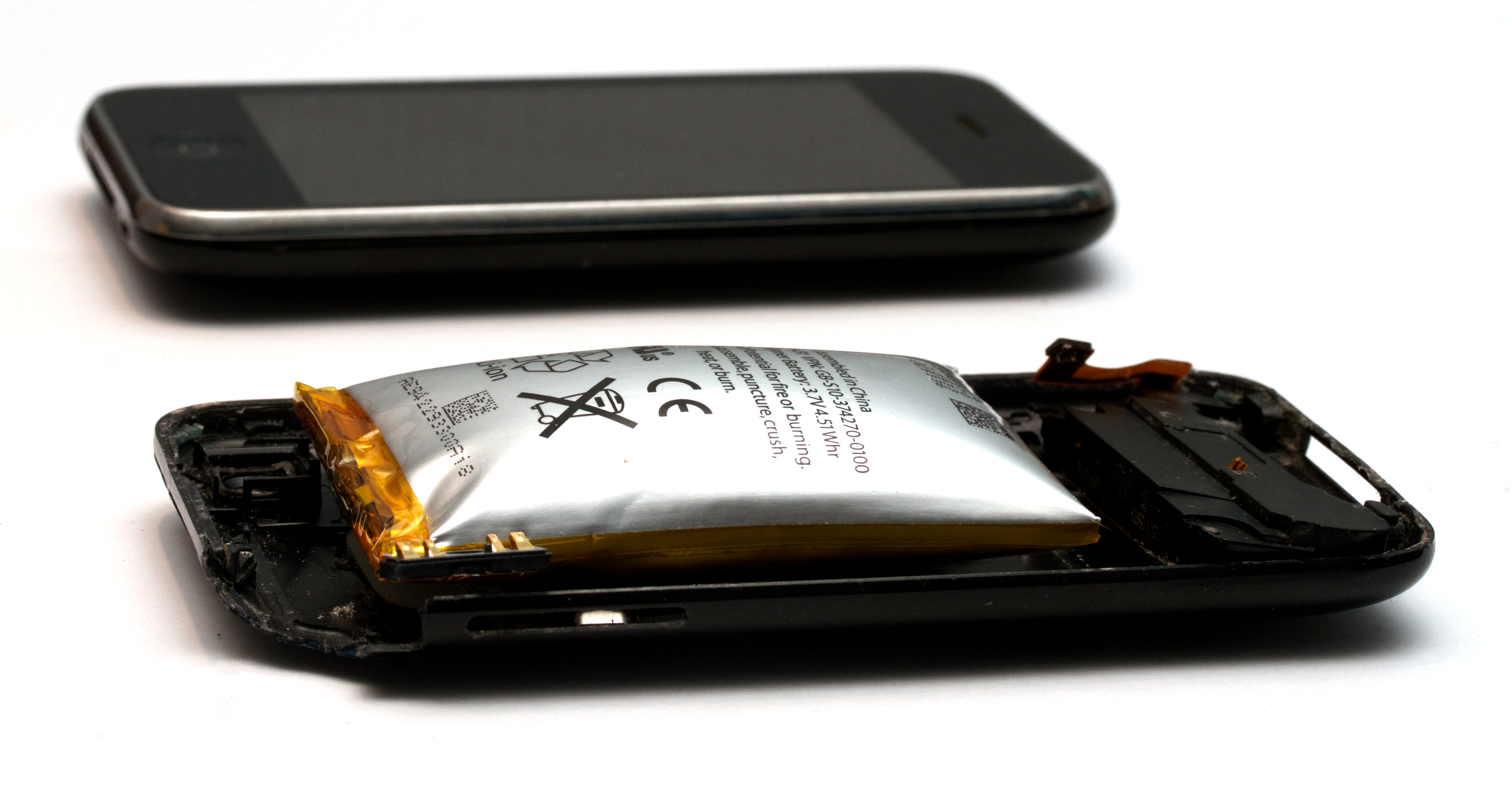
Why Phone and Laptop Batteries Swell — and What Never to Do
A puffed-up phone or laptop isn't a fixable glitch — it's a lithium-ion cell failing from the inside, and one wrong move with it can start a fire.

Why Vaccinated People Are Still Catching Measles in Pennsylvania
Four fully vaccinated Pennsylvanians caught measles as the state's outbreak topped 676 cases — a reminder that a 97% effective vaccine was never advertised as 100%.
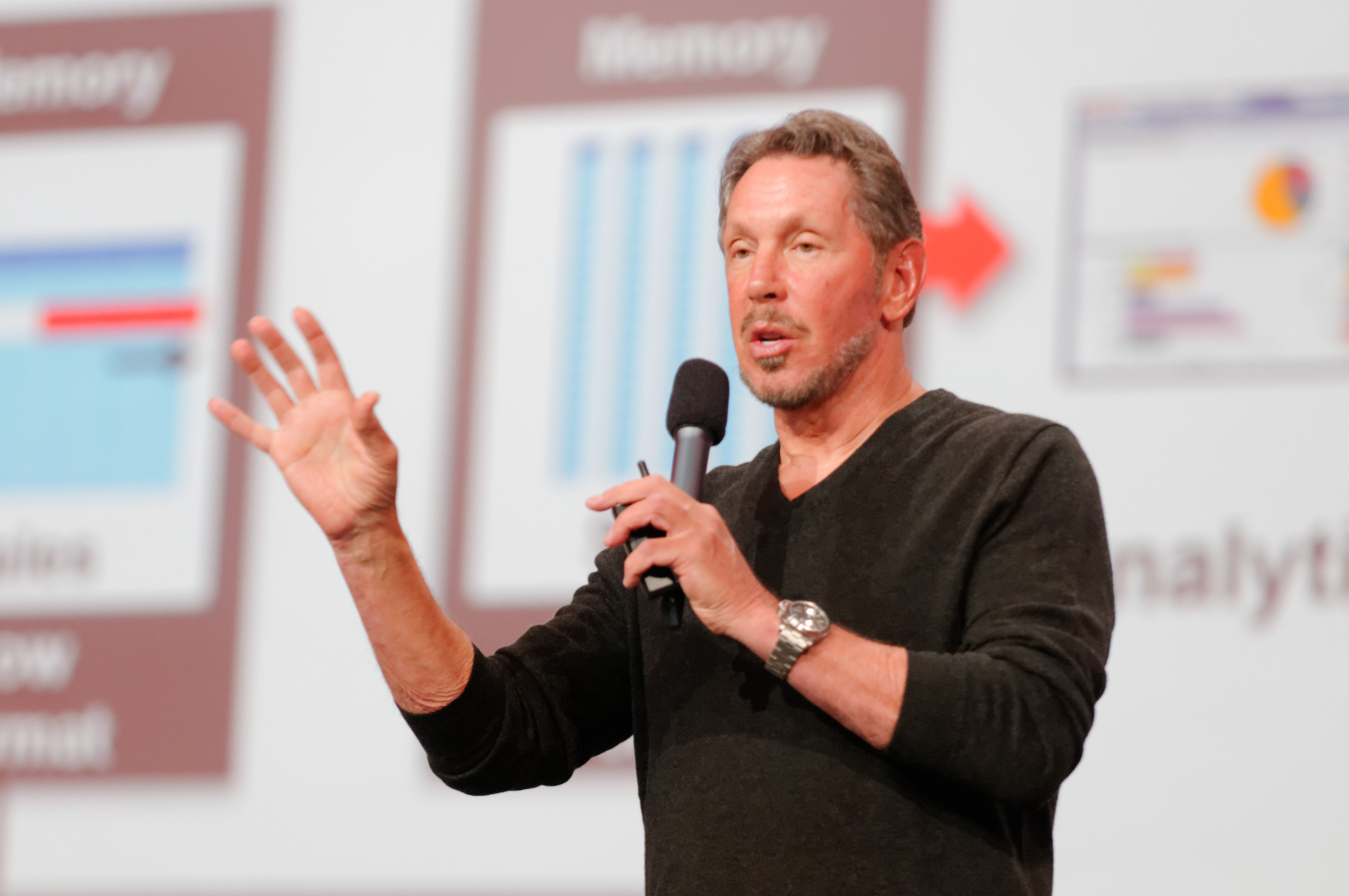
Why Larry Ellison's Scrapped $7.5 Billion Stock Sale Was Never a Secret
Larry Ellison's $7.5 billion Oracle stock-sale plan lasted one day in public view before he canceled it — a sequence only possible because of a decades-old SEC disclosure rule.
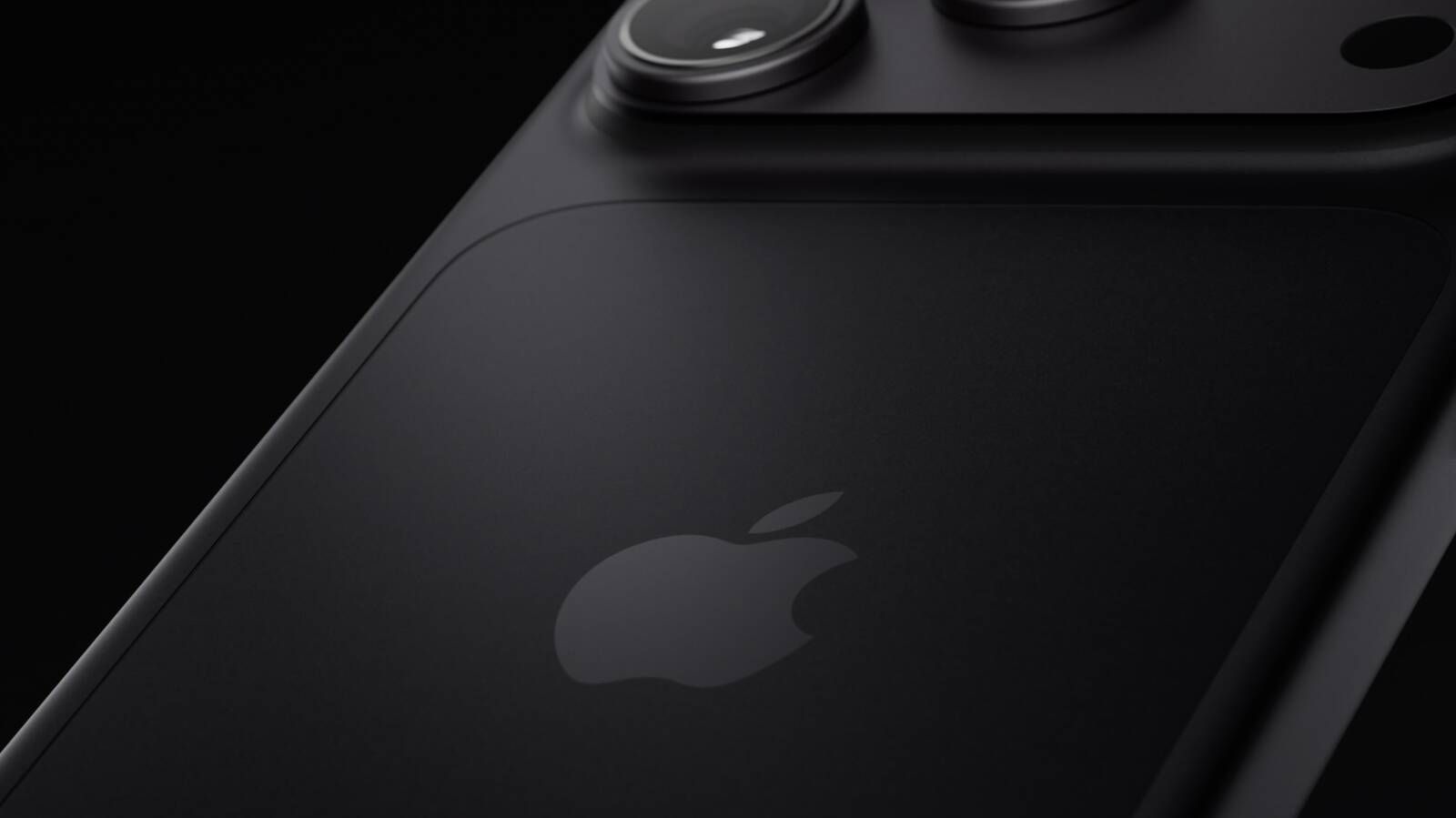
Why the iPhone 18 Pro Max Sold in the US Skips Apple's New Modem
Every iPhone 18 Pro model uses Apple's own C2 modem except one: the Pro Max sold in the United States, which quietly reverts to a Qualcomm chip.
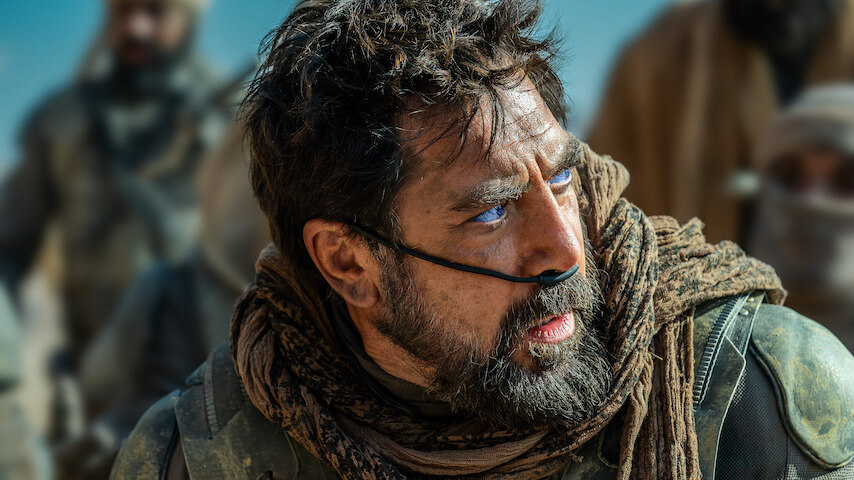
Why the Oscars Banned Hans Zimmer's Dune: Part Two Score
An Academy rule aimed at recycled themes has quietly disqualified some of the best-reviewed film scores of the last two decades, Hans Zimmer's Dune: Part Two among them.

Türkiye Says It Still Has Final Say Over COP31
Türkiye and Australia split the COP31 presidency to end a yearlong hosting fight. This week Türkiye's climate minister said the deal doesn't make them equals.
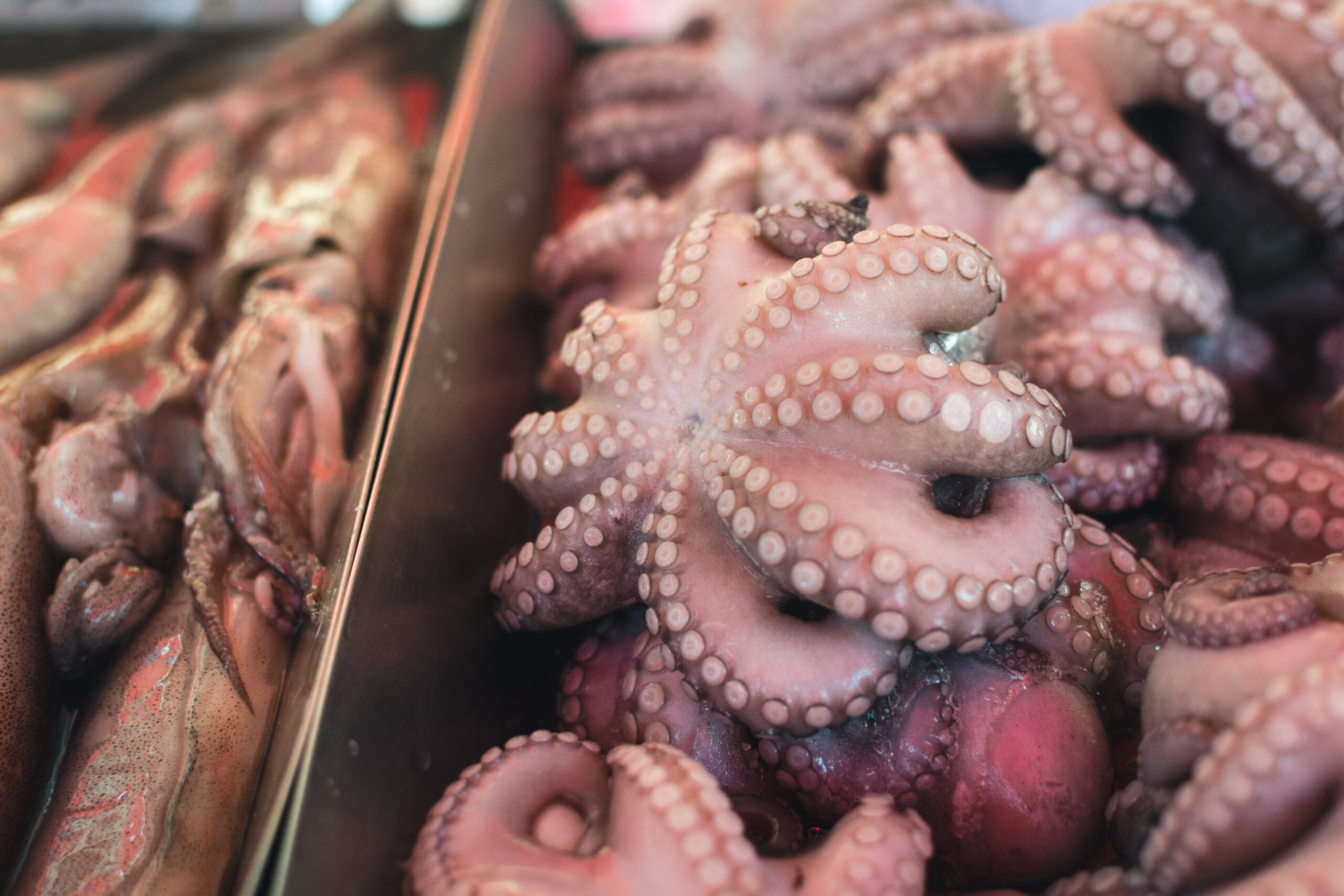
Spain's Octopus Farm Died Before It Ever Opened
A €50 million octopus farm in the Canary Islands never opened. The reasons, and the growing list of bans that followed it, show how fast the science on octopus sentience has moved.
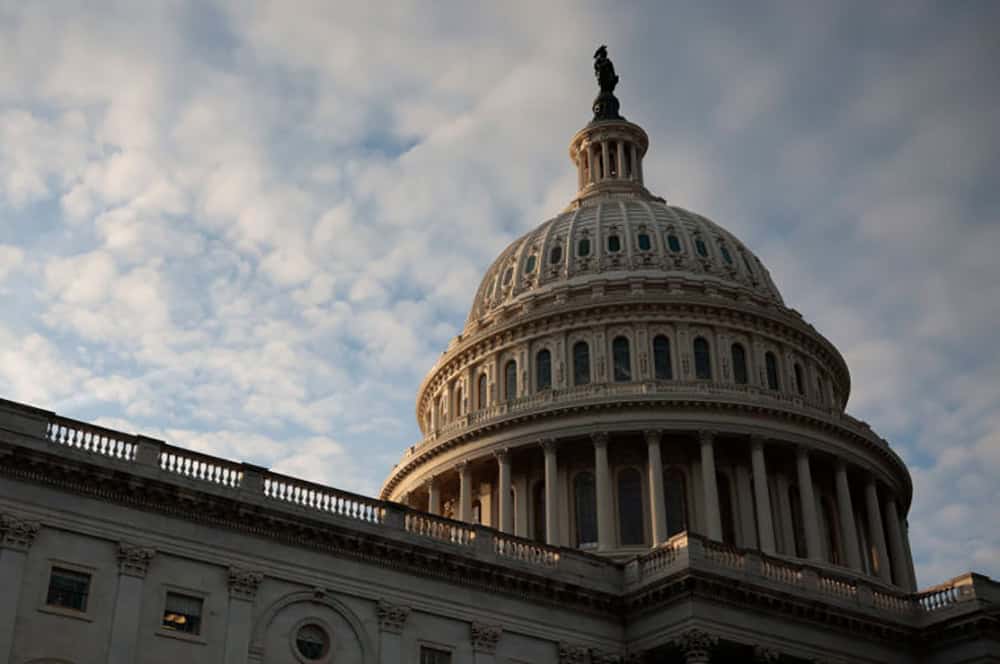
Congress Beat the Shutdown Deadline. It Still Hasn't Passed a Budget.
The House and Senate funded the government a month early this year, but the fix was the same one Congress has used 141 times since 1998: a continuing resolution, not a budget.

Why Vinyl Records Got So Expensive
A new LP now averages $37, up 24% in five years. Pricier plastic, packed pressing plants, and labels selling the same album in seven colors are why.
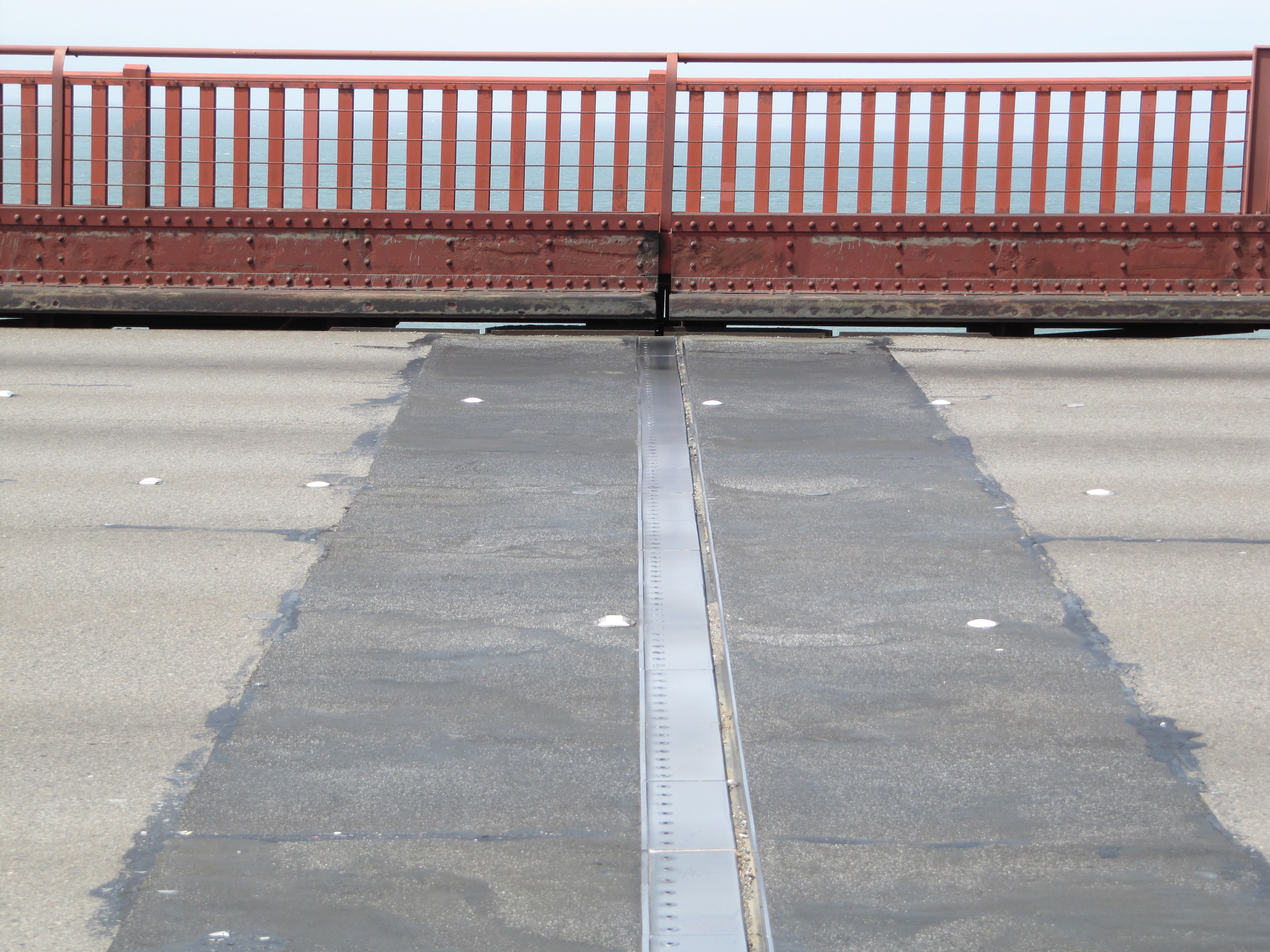
Why Bridges Have Small Gaps in the Road
Bridges are built to move — one New York span sits a full 12 feet lower in summer than winter. The metal gaps in the road are what keep that shift from cracking the structure.

Why Wildfire Smoke Can Smell Like Burning Plastic
The acrid, chemical smell in wildfire smoke isn't your imagination — it's benzene and formaldehyde, and sometimes it's literally burning plastic.

Why Movie Subtitles and Dubbed Dialogue Often Don't Match
Subtitles and dubbed dialogue are usually written by two separate translators solving two separate problems, which is why they rarely say the same thing.

Why Placebos Still Work Even When Patients Know They're Fake
Patients told plainly that their pills contain no medicine still report real relief. The effect is genuine, but it has limits worth understanding.

Why Virginia and New Jersey Elect Their Governors in Odd Years
Virginia, New Jersey, Kentucky, Louisiana and Mississippi elect governors on a calendar built, in part, to keep the electorate smaller. It still does.

Why Some Countries' Independence Day Isn't Their Independence Date
From the Philippines to Norway to Mexico, the date a country celebrates freedom is often not the date it actually became free. It's the date the story became worth telling.
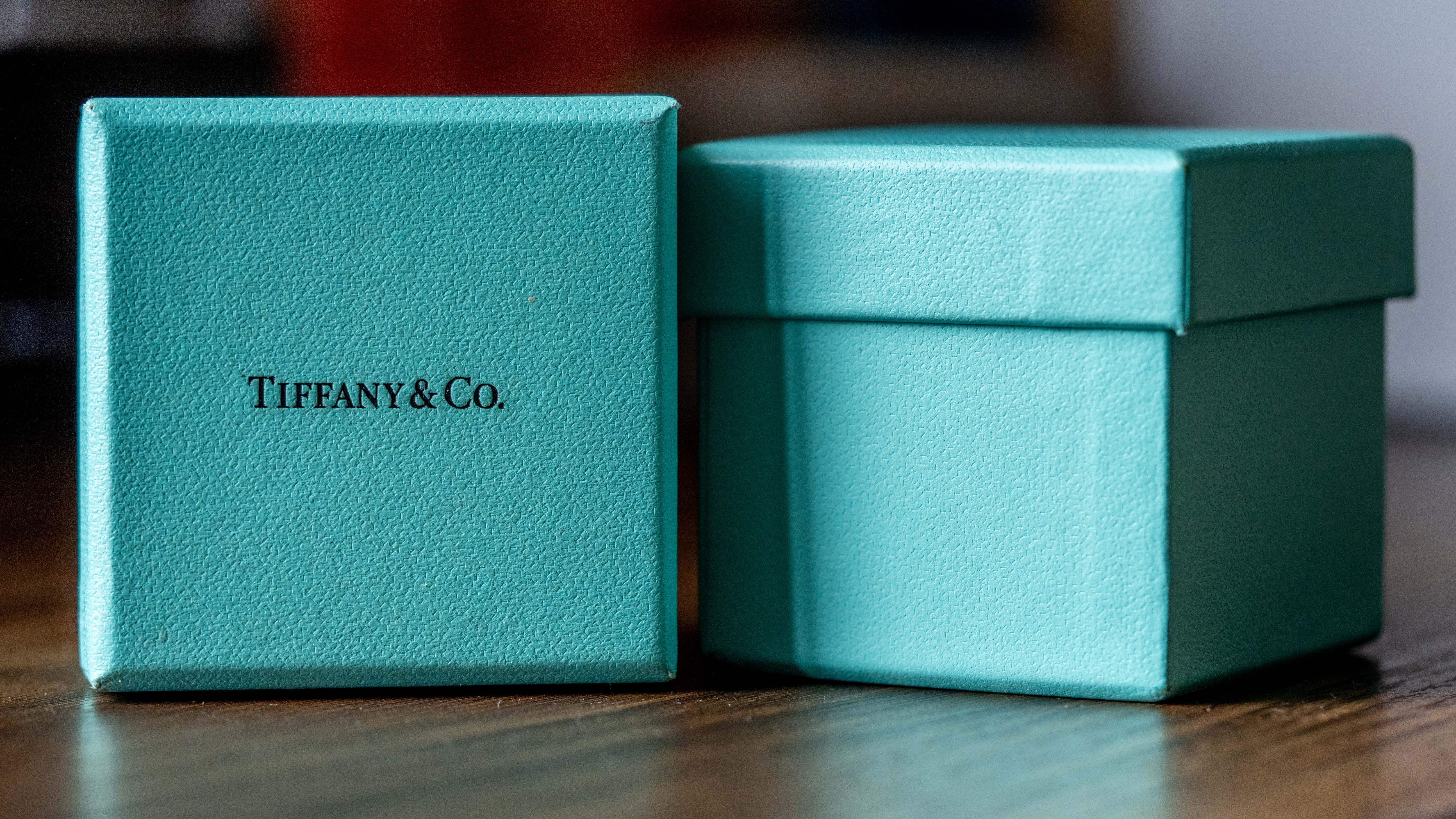
Why Tiffany & Co. Can Legally Own the Color Blue
A 1990s Supreme Court case about dry-cleaning equipment set the legal test that lets Tiffany, UPS and T-Mobile each claim a single color as their own.

Why the Four Grand Slams Didn't Share One Tiebreak Rule Until 2022
Until 2022, a 6-6 final set meant a quick tiebreak at some majors and an open-ended marathon at others. Two record-setting matches, decades apart, are why that finally changed.
Why Saliva Drug Tests Have Such a Short Detection Window
Saliva tests screen for the parent drug compound itself rather than the metabolite urine tests catch, which is why they see only a day or two back instead of weeks.

Why Deleting an App Doesn't Free Up as Much Space as You Expect
An app's listed size only covers the program binary. The cache and documents layer beneath it, which both Android and iOS wall off from automatic deletion, is where most of a full phone's storage actually lives.

Why California Drains Its Reservoirs Before a Storm Even Arrives
Before a single drop of storm runoff arrives, California dam operators are already emptying space for it. New atmospheric-river forecasting means they can now time that release to the hour.
Why Hollywood's Movie Raters Are Never Named
A ten-person board decides if your movie is PG-13 or R. Six of them you will never identify. The other four, including its chair since 2019, work in the open.

Why New Members of Congress Still Draw Lots for Their Office
No seniority, no vote, just a numbered chip pulled from a wooden box. That's how the House has decided which freshmen get a good office since 1908, and this November's class draws again.

Why the Vatican Has Never Applied to Join the United Nations
Six reserved UN seats belong to the Holy See, which can speak and ratify treaties but has never asked for a vote, a choice traced to a wary 1944 letter from Washington.

Why You Can Still Get Burned by a Rental Car's Fuel Policy
Rental car fuel policies are built to collect for gas you didn't use -- from EZFuel's flat fees to inflated per-gallon refill prices at drop-off.

Why Your Wireless Charger Always Feels Hotter Than a Cable
Wireless charging is roughly 70-80% efficient versus 95% for a cable, and the lost energy shows up as heat -- normal, and rarely something to worry about.
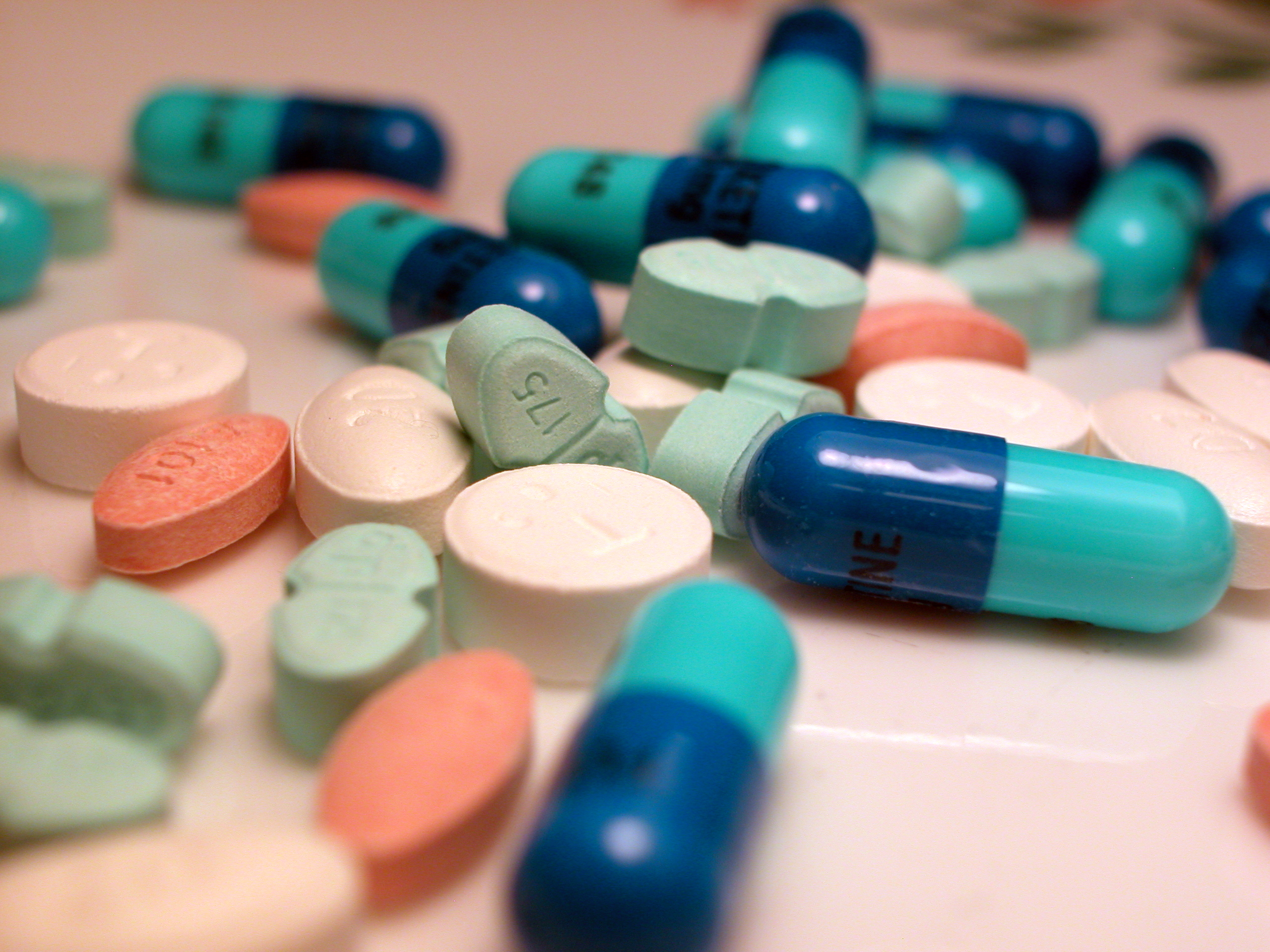
Why Your Generic Prescription Keeps Changing Color
Trademark law bars generics from looking like the brand name, and pharmacy supply chains swap manufacturers often -- so your pill keeps changing, safely.
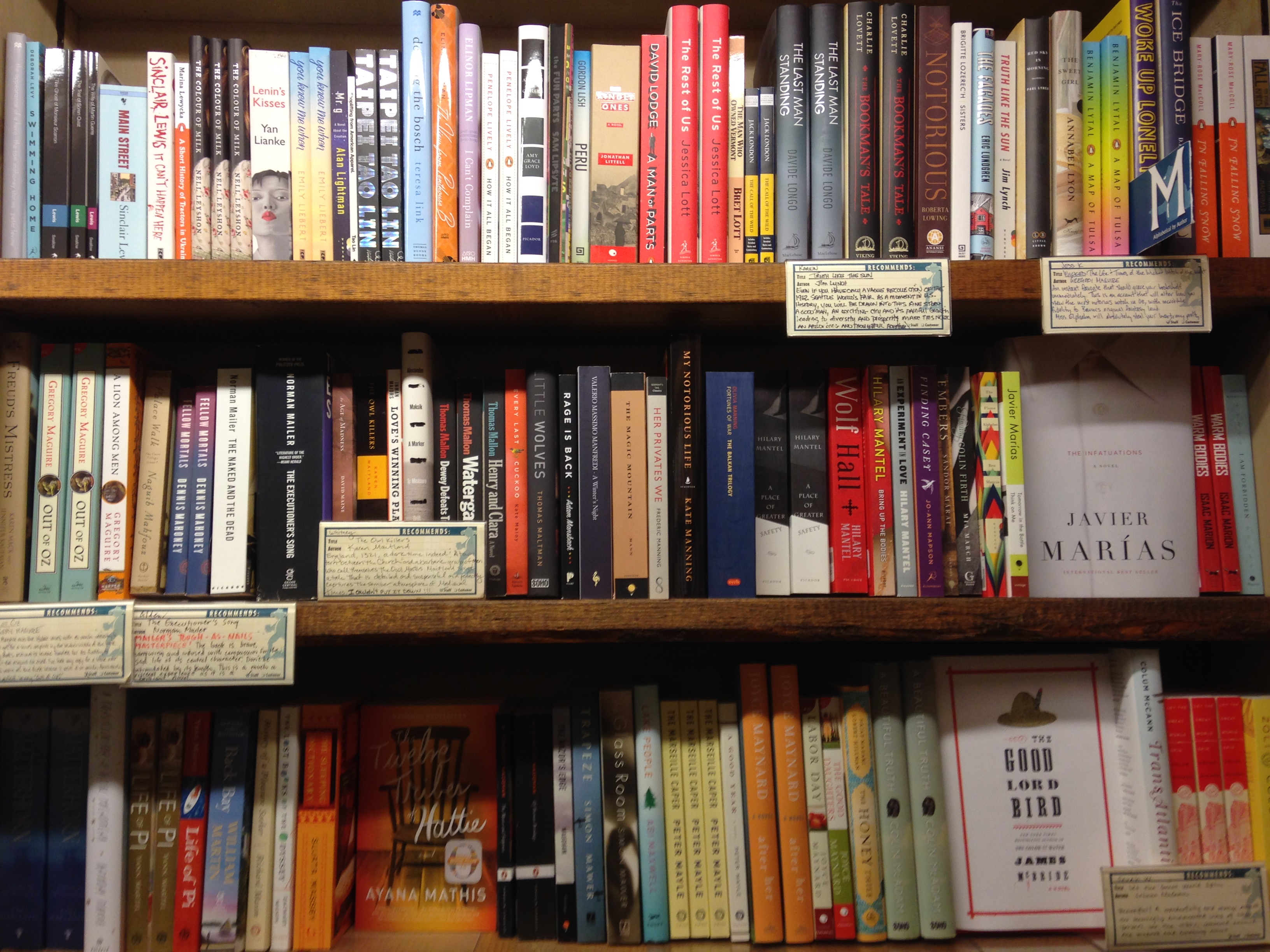
Why a New Book's "Birthday" Is a Contract, Not a Suggestion
Publishers enforce strict on-sale dates called embargoes for new books -- break one, and a bookstore risks fines, lost shipments, even a lawsuit.

Why Walking Pneumonia Surges Every Three to Seven Years
Walking pneumonia isn't a seasonal illness like the flu. CDC data show it moves in multi-year waves driven by fading population immunity — and the latest one hasn't fully cleared.

Why the US Open Never Had Its Own Isner-Mahut Marathon
Wimbledon let a 2010 final set run to 70-68 over three days before it ever considered a tiebreak. The US Open avoided that fate by adopting one back in 1970.
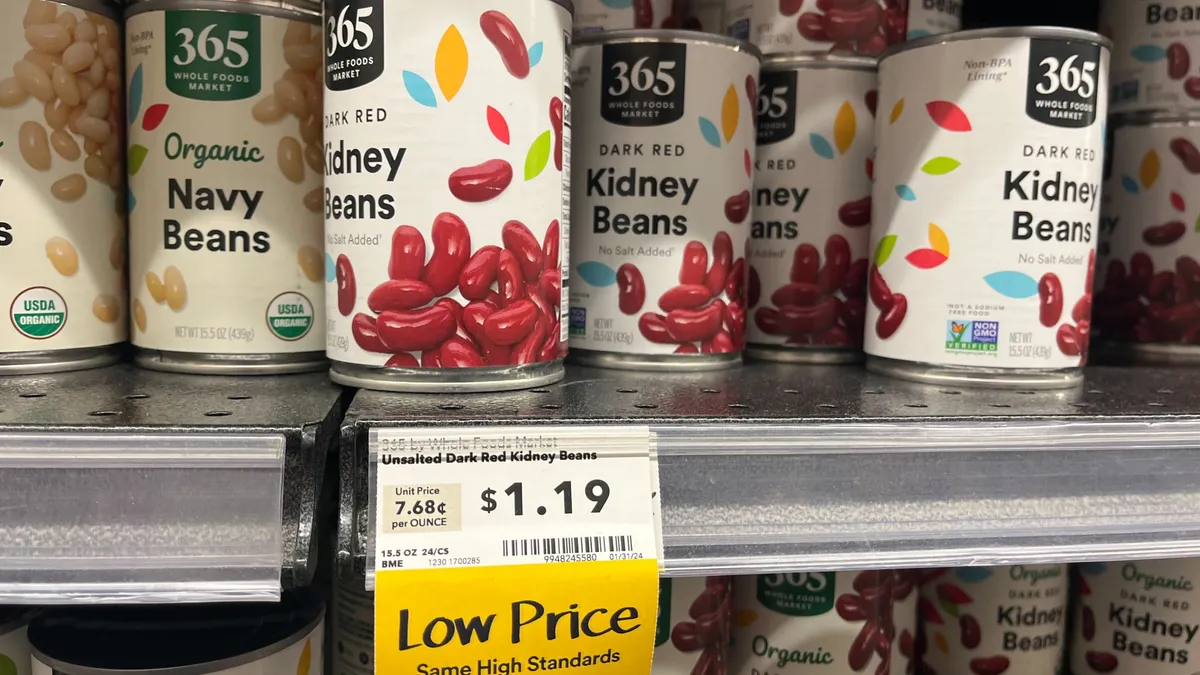
Why Store Brands Just Grabbed a Record Share of Your Grocery Cart
Private-label groceries hit a record 21.3% of US dollar sales in 2025, growing nearly three times faster than national brands — and grocers are betting the shift is permanent.

Why ChatGPT Still Can't Count the Letters in a Word
Two years after the “strawberry” meme went viral, ChatGPT and other chatbots still miscount letters — and the reason is architectural, not a bug anyone can simply patch.
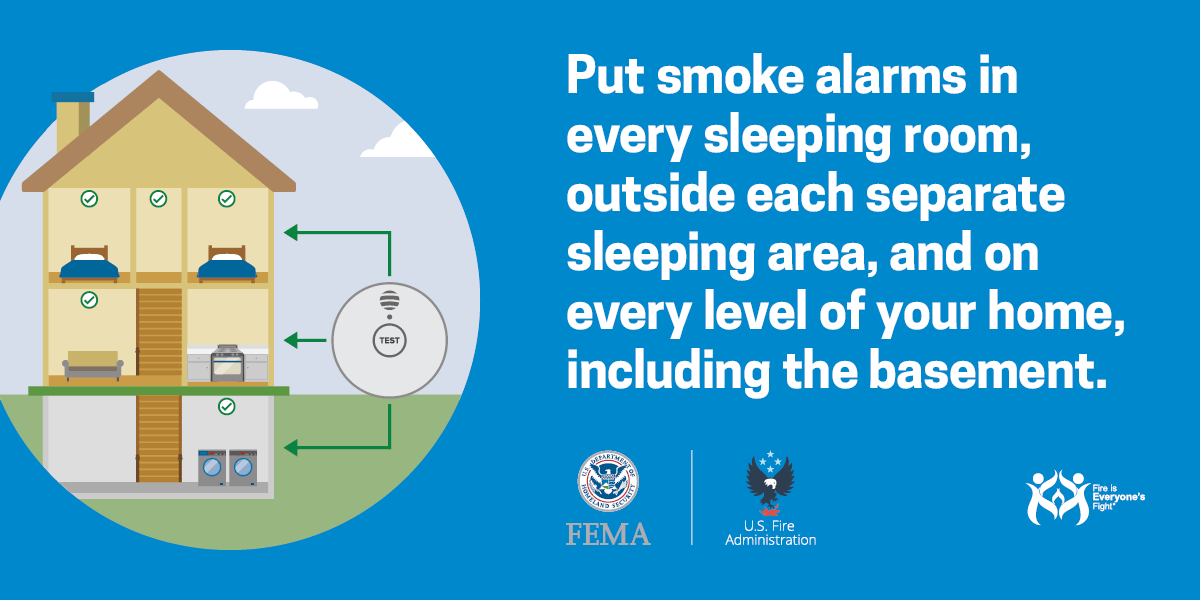
Why Your Smoke Alarm Can Pass Its Test and Still Fail You
A smoke alarm's test button only confirms the horn and wiring work, not whether its ionization or photoelectric sensor can still detect real smoke after a decade of dust, grease, and radioactive decay.

Why NFL Teams Can Now Attempt an Onside Kick at Any Time
Three straight years of NFL rule changes have led here: teams can now declare an onside kick at any point, any score. But the same kickoff format that allowed it also killed the classic surprise onside kick for good.
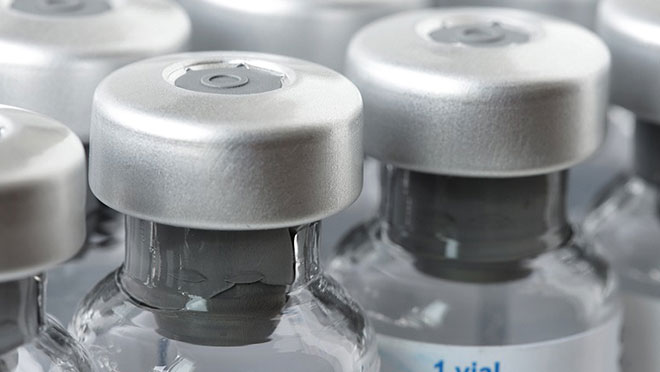
Why This Year's Flu Shot Replaced All Three of Its Strains
For the first time in years, regulators rebuilt the flu vaccine from scratch, swapping the H1N1, H3N2, and B strains after a fast-mutating H3N2 variant cut protection in some patients to as little as 14%.

Why Japan's Business Year Starts in April, Not January
A 19th-century cash crunch forced Japan to shorten its fiscal year and move the start to April. The fix outlived the crisis, and now governs hiring, school terms and earnings season for the world's fourth-largest economy.
Why AI's Water-Use Numbers Are All Over the Map
A 519-milliliter estimate and a 0.26-milliliter one both come from real research. The gap comes down to what each study counts, onsite cooling, power-plant water, or both, not who's lying.
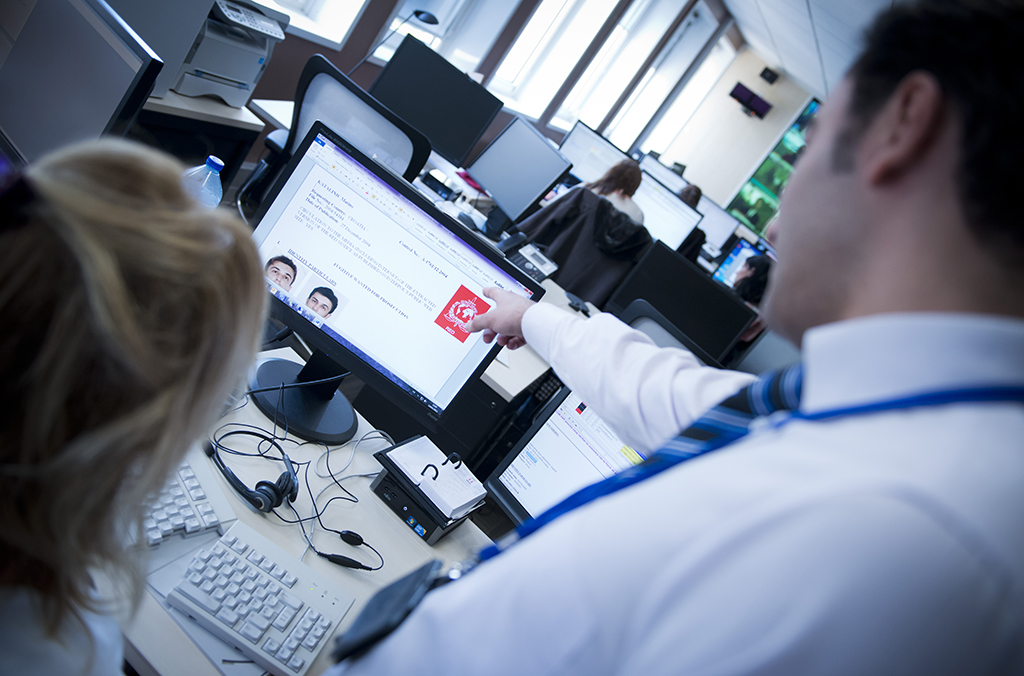
Why an Interpol Red Notice Isn't Actually an Arrest Warrant
Interpol issues Red Notices, but it has no police of its own. What happens after one goes out, arrest, extradition or nothing at all, depends entirely on the laws of whichever country the fugitive is standing in.

Why Trump Can't Just Fire a Federal Reserve Governor
The Federal Reserve Act lets a president remove a governor only "for cause." That standard, paired with 14-year staggered terms, is why Trump's second attempt to oust Lisa Cook faces the same wall as his first.
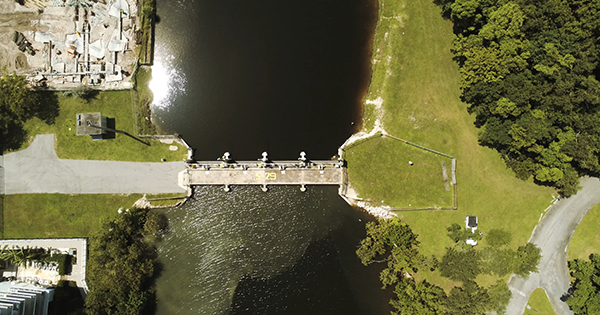
Why King Tides Flood Streets Without a Single Storm
Twice a year, the moon and sun line up to push ordinary high tides over seawalls with no storm in sight, and South Florida just published exactly when it happens next.
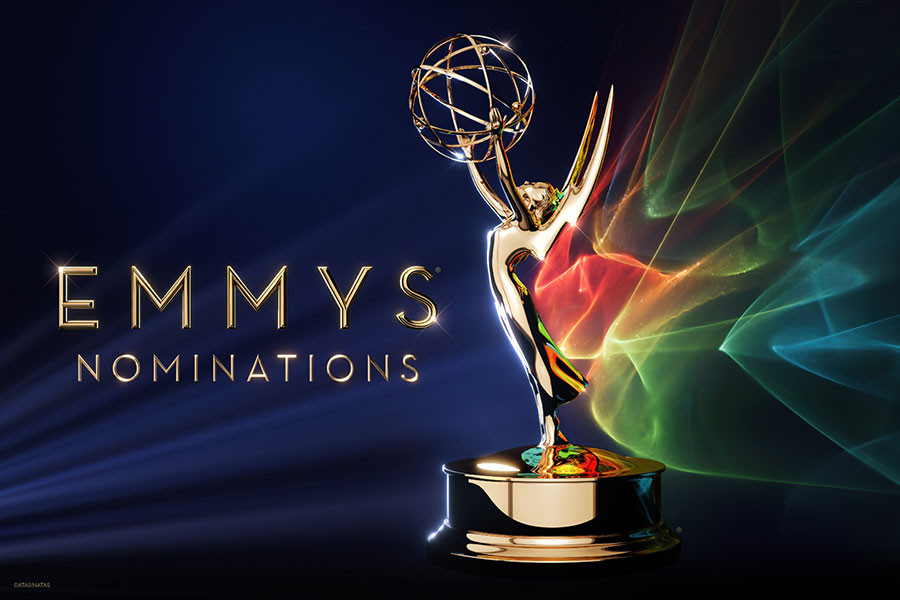
Why the Emmy "Year" Never Matches the Calendar Year
A twelve-month window that runs June to May, not January to December, explains why a hit new show can premiere and still wait a year for its shot at an Emmy.

Why the UN General Assembly Always Opens in September
The UN's opening date isn't chosen fresh each year. It's the output of a decades-old scheduling formula, and this year's session carries an unusually high-stakes agenda.
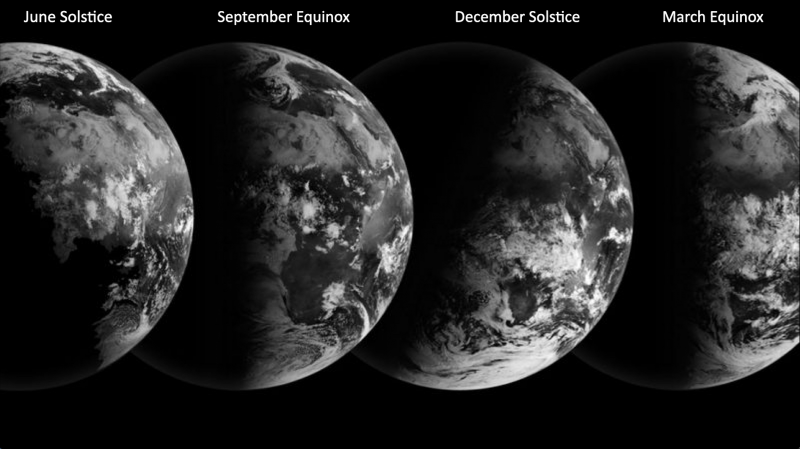
The Equinox Never Actually Splits Day and Night Evenly
Two ordinary facts about sunlight, not measurement error, explain why the equinox never delivers a true 12-hour split anywhere on Earth.

How the Hollywood Walk of Fame Actually Repairs a Star
Dolly Parton's Walk of Fame star was vandalized days after her death, but the repair itself was already scheduled. Here's how the Hollywood Historic Trust actually fixes a star.
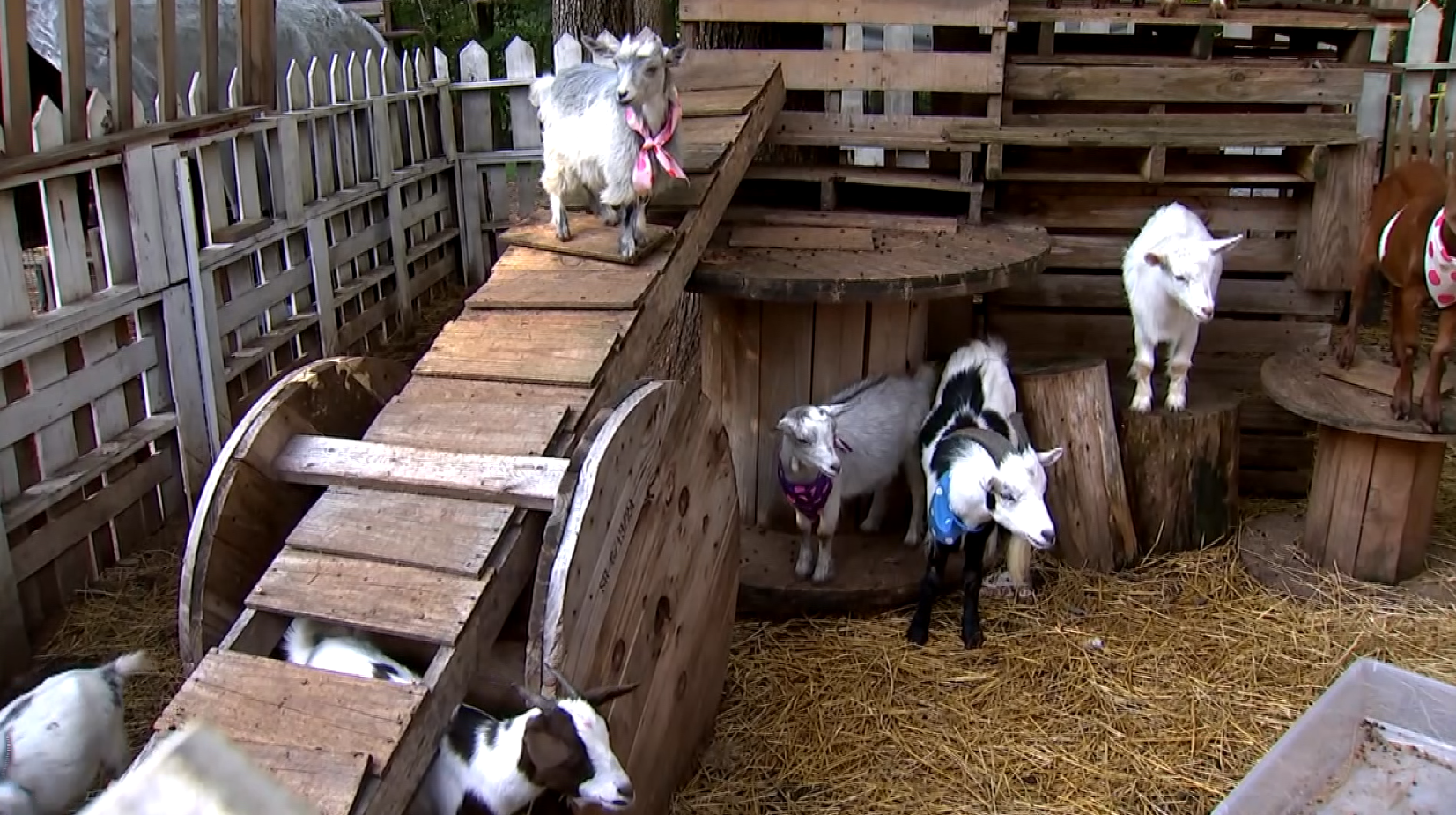
Why Rabid Baby Goats Can Look Perfectly Healthy for Weeks
Four baby goats at a North Carolina petting zoo tested positive for rabies without ever looking sick. Here's why infected animals can seem completely healthy until it's too late.

Why Rain Can Corrode Your Car Even Through the Paint
A new Nature study finds ordinary raindrops build up enough static electricity to punch through protective coatings on metal, a corrosion mechanism nobody had measured before.

What Climate Overshoot Means Now That 1.5°C Is Gone
A new UN report concedes the Paris Agreement's 1.5°C limit will be crossed within years. What happens next is called "overshoot" — and it will shape climate policy for the rest of the century.
Why a $7.85 Million Sony Settlement Won't Feel Like $7.85 Million
Sony's PlayStation Store settlement covers more than 4.4 million people, and up to a quarter of the $7.85 million goes to legal fees before anyone gets paid — a pattern that explains why most class-action payouts amount to pocket change.

Why Measles Keeps Coming Back Despite a Vaccine That Works
Measles cases in the U.S. have already topped last year's total, and Pennsylvania just recorded the country's first deaths from the disease in 35 years. The reason it keeps returning comes down to one number: 95%.

Why a Judge Blocked New York's $75 Billion Climate Law
A federal judge sided with 22 Republican state attorneys general to block New York's first-in-the-nation climate superfund fee, ruling the Clean Air Act preempts states from making polluters pay for storm and flood damage.